

British Islamic Medical Association celebrates Muslim healthcare heroes
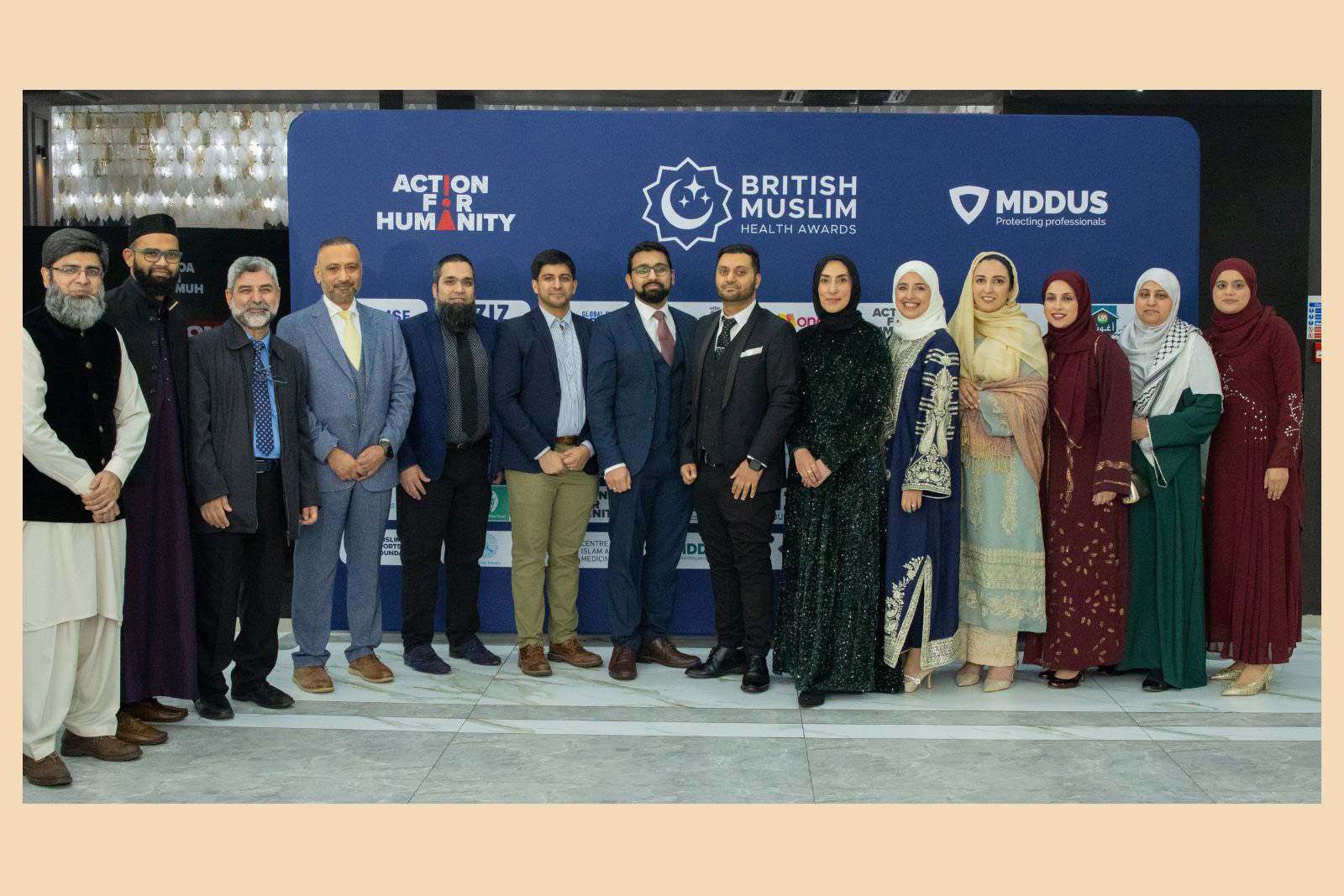
Winners at Bima’s inaugural awards included a doctor whose cancer classes help Black women spot signs of the disease
A trailblazing doctor whose breast cancer classes are helping Black women spot signs of the disease was among 25 British Muslim healthcare workers honoured at a new awards ceremony.
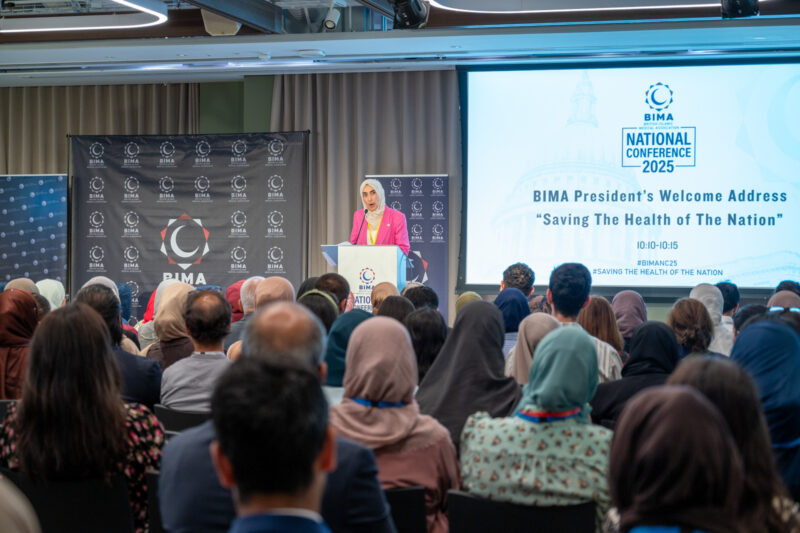
Categories at the British Islamic Medical Association’s inaugural awards bash recognised the stars of the healthcare world in fields as diverse as pharmacy, optometry and nursing.
It took place on Friday at the Quaid-e-Azam Grand Ballroom in Birmingham.
Among the winners was Dr Fatima Hussain, who was named doctor of the year for her work in fertility medicine, and Dr Sakinat Tope Baiyewu, who won the public health award. Baiyewu’s work focuses on reducing health inequalities, particularly among minority communities.
She told Hyphen she had “dedicated her life to public health”, leading on community projects such as the Black Health Improvement Programme as part of the Caribbean African Health Network (CAHN). Each week, a Black healthcare worker leads a culturally appropriate session for other healthcare workers with the purpose of challenging misconceptions around Black health.
Related content
“It’s really hard work, but God plans when it’s time for you to get honoured,” she said.
Alongside her public health work, Baiyewu is also committed to raising awareness around breast cancer. She hosts an annual “pink party”, bringing together breast cancer survivors and women from the wider community to share information and encourage early detection.
“One thing about health interventions is that many times, they’re not related to their audiences, particularly ethnic minority groups,” said Baiyewu. It’s for this reason, she says, that she uses Black mannequins when demonstrating how to check for breast lumps.
“At one of the pink parties I hosted, a woman identified her breast anomaly for the very first time that day,” she said. “That is an achievement for me.”
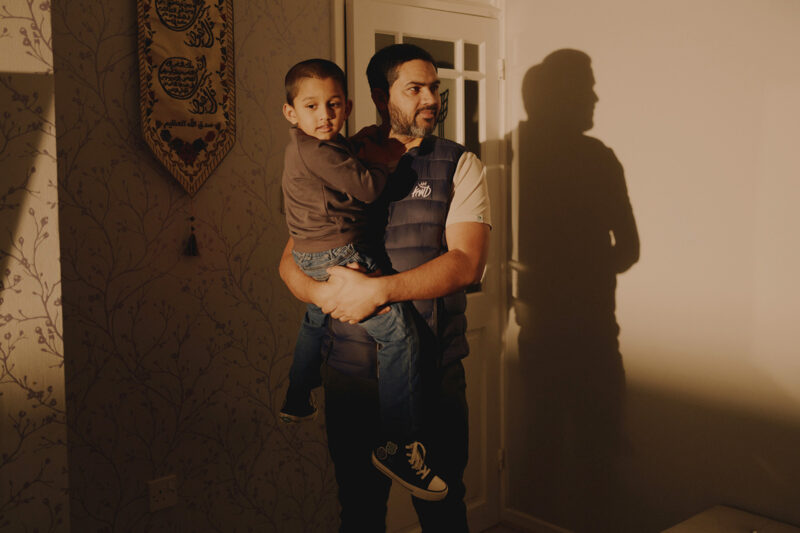
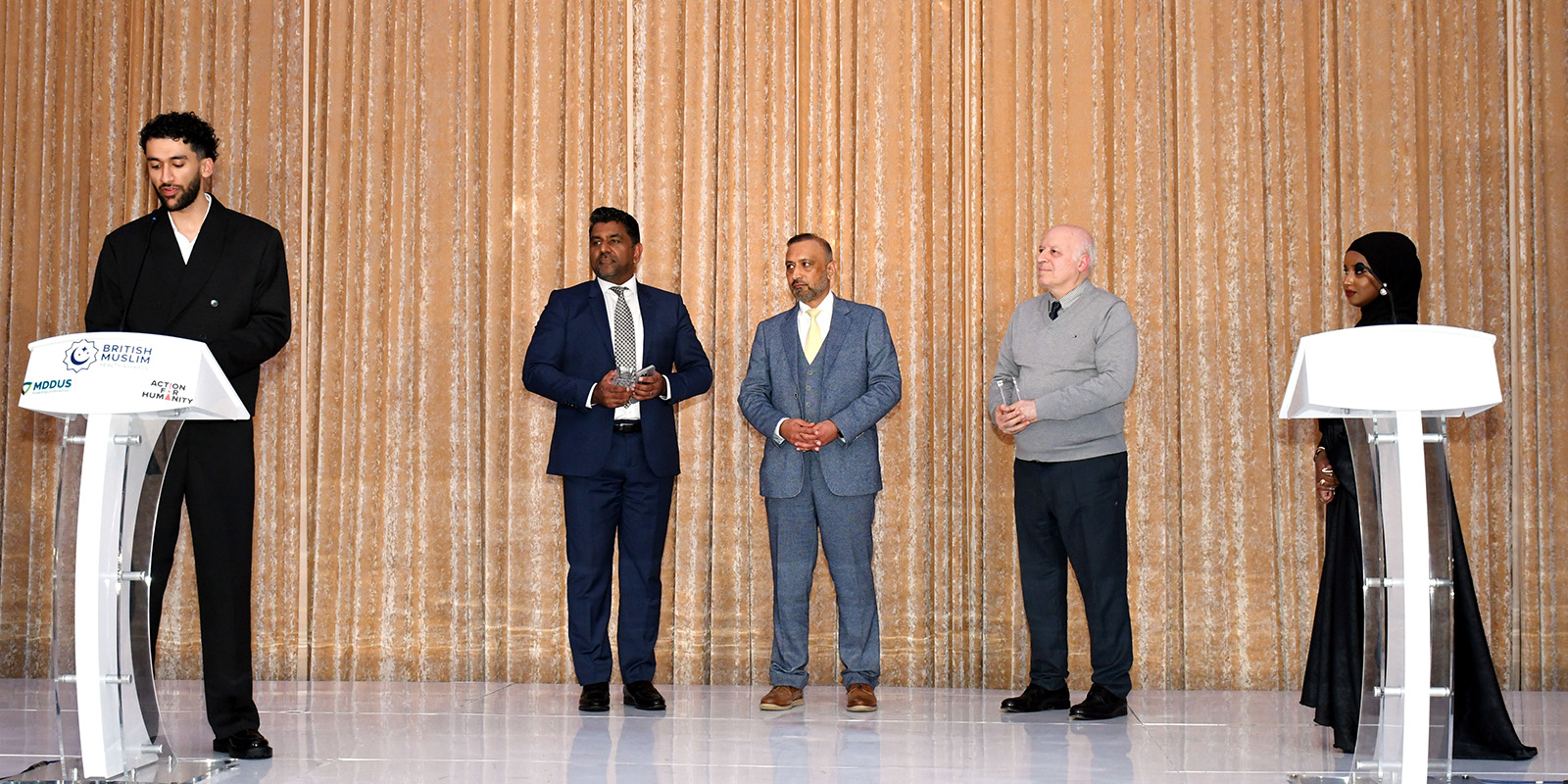
Among other winners of the evening were the late Dr Muhammad Shafi Kausar, who received a posthumous lifetime achievement award for his work in medicine and community building in Glasgow. The award was collected by his son, Imran Kausar.
“His story was really one of perseverance and persistence and breaking lots of barriers, which he had to do,” he said.
Dr Kausar, who died in May this year, was among the first South Asian Muslim doctors in Glasgow to open his own GP surgery. After moving to the Scottish city in the 1970s, he had to fight a prejudiced local medical committee for the right to practise at all — a battle he recounted in an interview in 2011.
Despite these barriers, he opened his own practice and became a widely respected figure to the local community.
“Dad was from among those that pushed hard to create Islamic institutions and leave a legacy behind,” said Kausar. “He had an impact, and not just with Muslims, but the wider community as well.”
As well as his being a great doctor, Kausar added, it was his father’s kindness and wisdom that people remembered most. “You could always go to him for advice, which a lot of people did, no matter their age or status or ethnicity,” he said. “He was a lovely doctor, but also a lovely human being.”
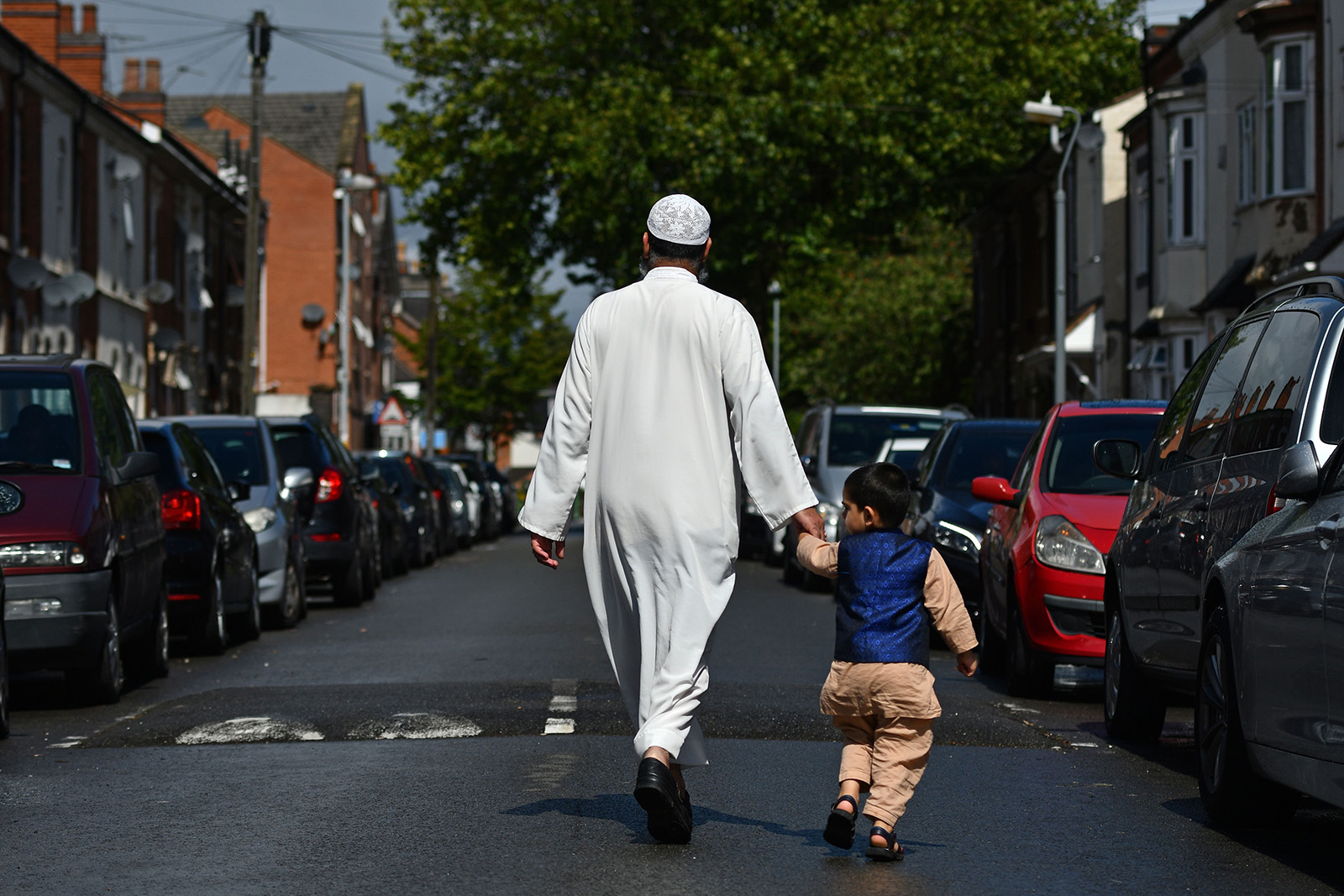
Muslims are integral to the British healthcare system. According to the General Medical Council, more than 78,000 doctors in the UK are Muslim — about 19% of the workforce, even though Muslims make up just 6% of the general population.
Aiysha Saleemi was another winner on the night, being named health manager of the year for spearheading the CVD Academy — a 12-month training programme that teaches clinicians about preventing cardiovascular disease.
“It’s so nice to see what the Muslim community is doing,” said Saleemi. “People always say Muslims aren’t contributing to British society, but when you see it all in one room together, it’s undeniable.”