

Why would Portugal ban burqas?
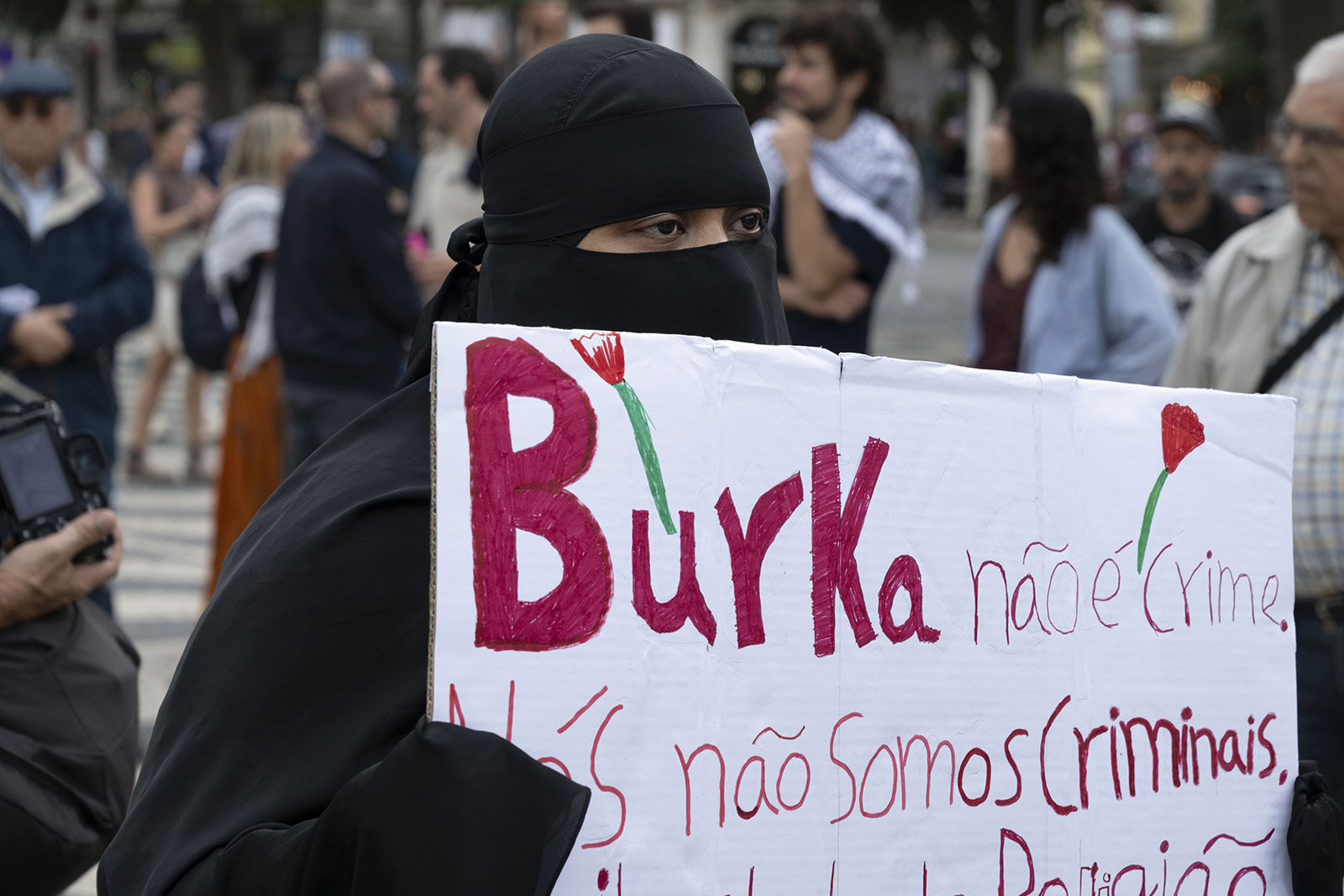
Few of the country’s small Muslim community wear the full-body covering and they find the passing of a law to prohibit them baffling — as do political pundits
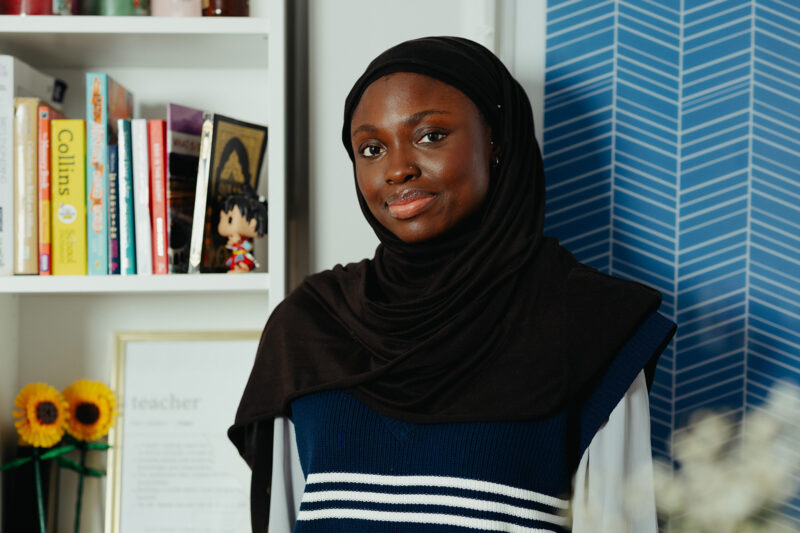
Before the far-right Chega Party moved to ban Muslim women from wearing face coverings, there was little discussion of burqas in Portugal. So it came as a shock to 31-year-old biology PhD student Zohra Lodhia when in October the party’s bill proposing the ban was passed by parliament.
According to the last national census in 2021, there were just 36,000 Muslims living in Portugal. That number is likely to have increased significantly, but is still a small fraction of the 10.7 million population.
“I can count with my fingers how many people wear the niqab. The burqa? I haven’t seen one,” Lodhia told Hyphen.
A proposed ban on the public wearing of face coverings by Muslim women is now at a parliamentary committee stage. From there it will be passed on to the president who can either rubber-stamp the new law or refer it to a constitutional court. If it is ratified, fines of up to €4,000 may be imposed for the “the use of clothing intended to conceal or obstruct the display of the face in public spaces”.
While promoting the bill, Chega’s divisive leader André Ventura invoked concerns over women’s rights and public safety — claims that have no credibility for Lodhia.
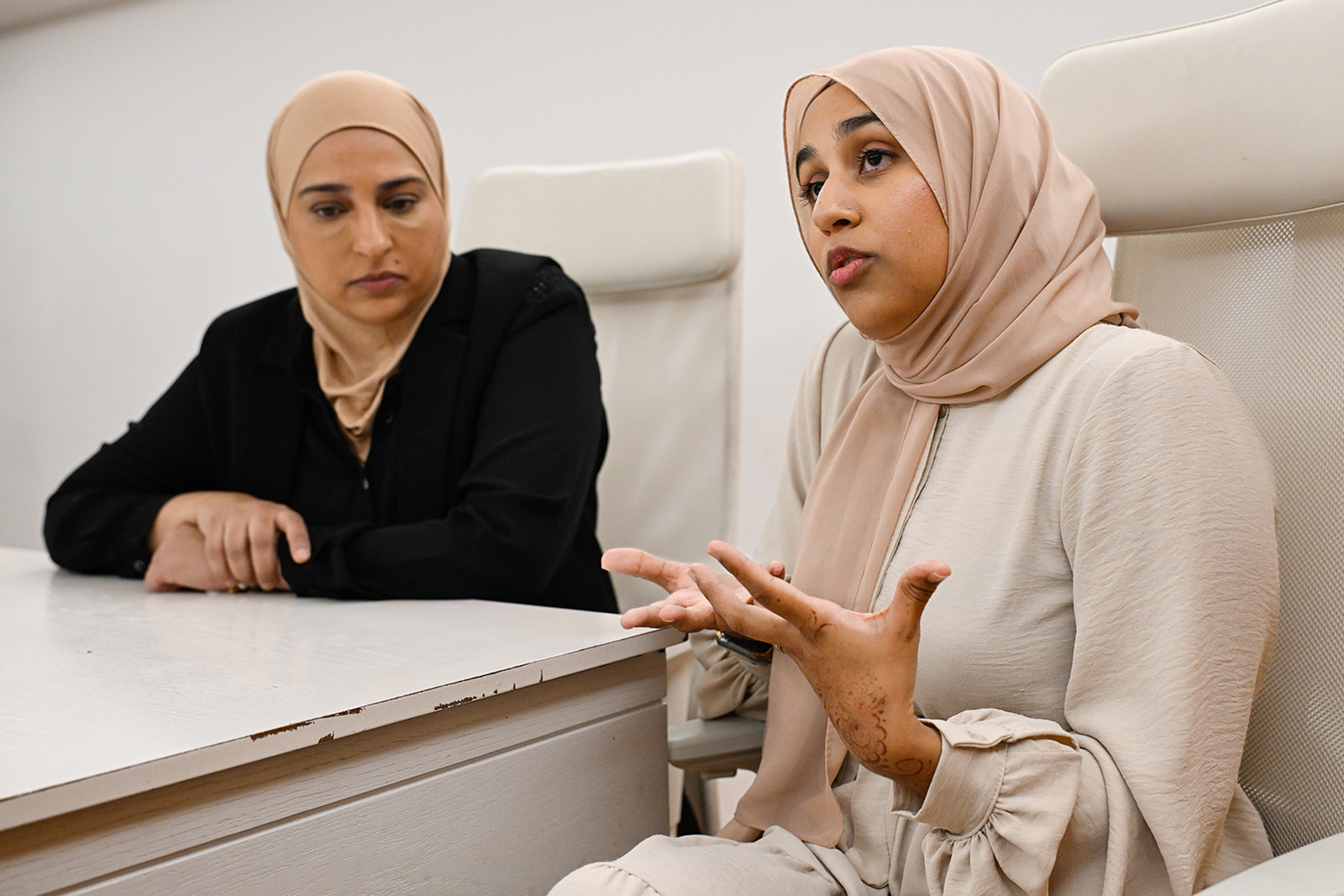
“I chose to wear my hijab. No one can tell me anything about it. Not my father, not my husband, no one. Because it’s personal, it’s my faith. We are already liberated,” she said.
“There is a law already, that within some places, you have to show your face. If you go to the bank, you have to show your face. This [new] law is just to make noise.”
From its launch in 2019, Chega (meaning enough) has risen from one seat in the national assembly to 60. Ventura, the party’s founder, is a former football pundit turned ideologically malleable rabble-rouser. While fond of provoking outrage with bouts of Islamophobia and racism, he also presents to voters as pragmatic and plain-spoken, concentrating most of his attacks on the mismanagement of the country by its two traditional main parties. In the process Chega has become the second largest group in parliament behind the centre-right Partido Social Democrata, which leads a minority government. The centre-left Partido Socialista has been pushed into third place for the first time.
While there have always been racism and fringe extremists in Portugal, Diogo Lemos, author of the Portugal Decoded newsletter, argues that Chega has brought this to the mainstream and has ridden the wave of support for far-right populism across Europe. He says the broad support for Chega’s burqa ban caught political commentators off guard.
“There is a very intense fight under way over the right-wing voters in Portugal,” he said.
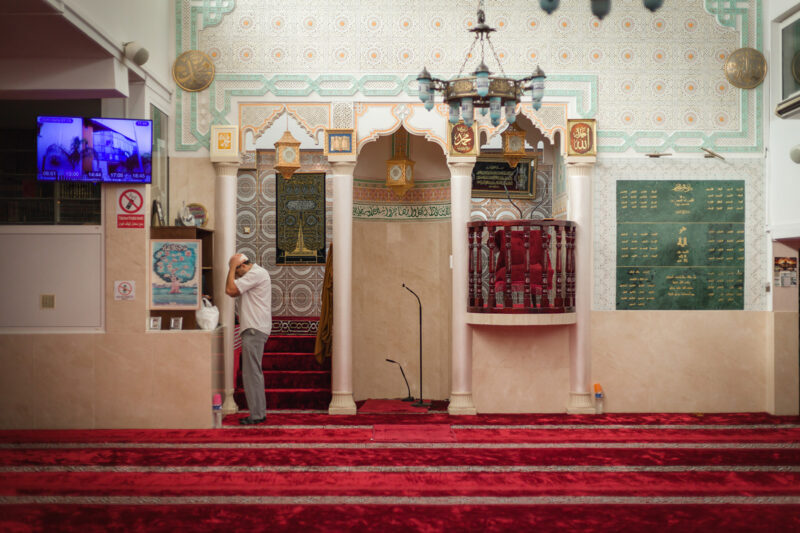
Portugal has a long Islamic lineage, tracing back to Moorish rule of the Iberian peninsula in the Middle Ages, but much of this history has been buried or forgotten in a country dominated for centuries by Catholicism. From 1974, when Portugal granted its former colonies independence, Muslim citizens arrived from Mozambique and Guinea-Bissau. Then, in the 1990s, demand for agricultural labour, paired with comparatively lenient residency laws, saw significant migration from Bangladesh — a community now estimated to be 55,000-strong.
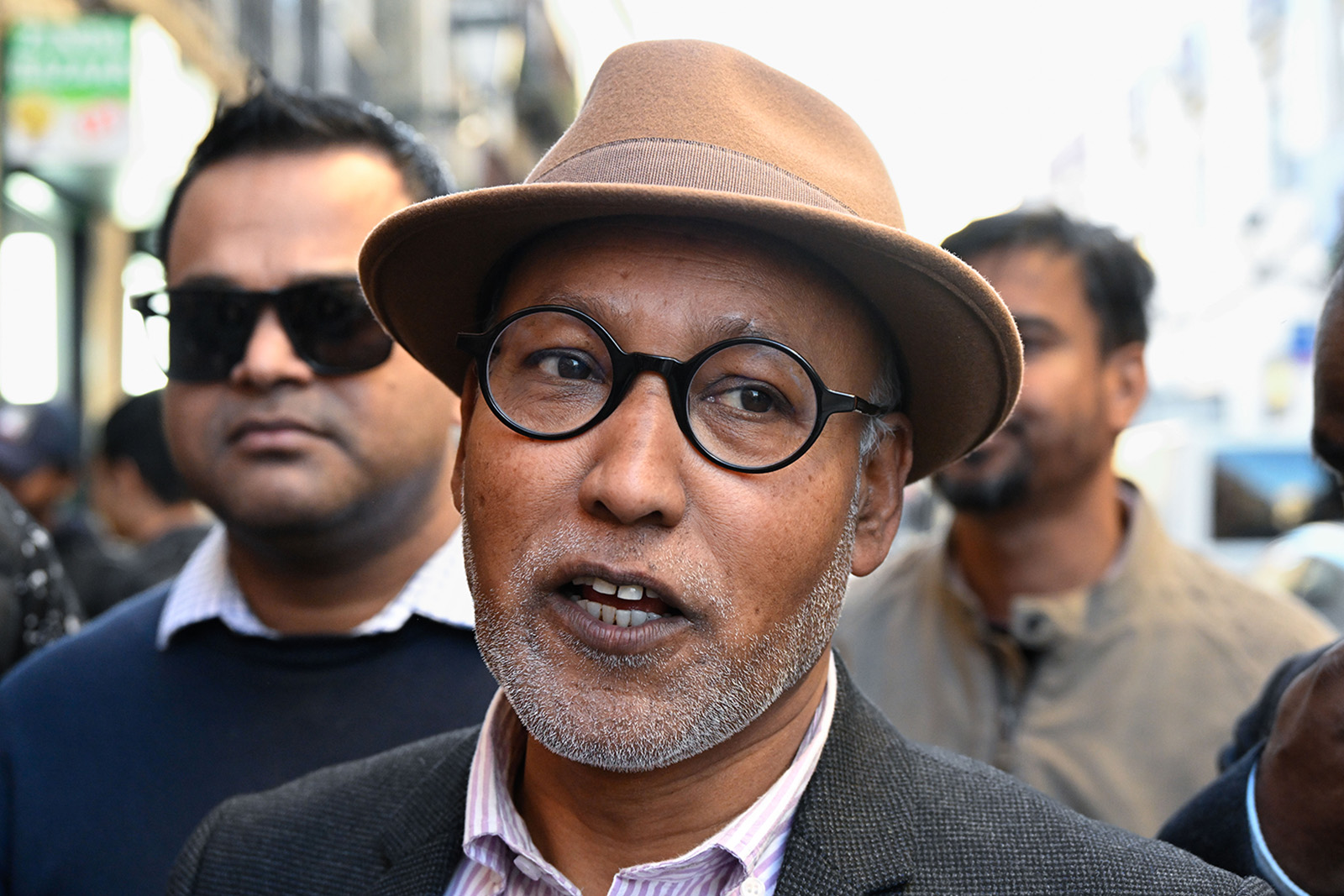
Rana Taslim Uddin, 59, fled the military dictatorship in Bangladesh in the late 1980s, first to Hong Kong before finally settling in Portugal in 1991. He has seen the Bangladeshi community grow from just a handful of people to the sixth largest immigrant group. A professional translator, he also acts as a community leader in Mouraria, Lisbon’s historic Moorish quarter. He has raised two children in the city.
“In the past three or four years Portugal started being more Islamophobic and xenophobic,” he told Hyphen.
While alarming, it’s not something he believes the Bangladeshi community should engage with.
“We are the foreigners — we don’t want to involve our community against André Ventura.”
On Rua do Benformoso, the bustling main strip for several migrant communities in Lisbon, there are numerous Bangladeshi-run restaurants and shops. Many of the people living here work in agriculture, construction and food delivery. Younger generations are heading to university. Their concerns are the same as for every other Portuguese citizen.
Portugal has had three general elections since 2022. Successive governments have failed to fix a struggling national health service and a housing crisis. Wages remain low and December saw the country’s first general strike in 12 years over proposed labour reform. Faith in the country’s political class has been shaken by numerous political scandals — a crisis Chega is exploiting with populist rather than practical solutions.
“The old people sitting in the cafes talking about football, that’s Chega,” Lemos explained. “If you start talking about the tax system, that’s boring and technical. If you start talking about the burqa ban, that gets the conversation going.”
Chega’s supporters are predominantly white men, but Lemos says the leadership is looking to expand this voter base by demonstrating an interest in women’s rights “in Chega’s way, which is to stigmatise migrant communities”.
Lodhia was born and raised in Lisbon, her family having moved from Mozambique after the war of independence. She sees the main aim of Chega’s ban is to create fear and confusion, and says it’s already making life more difficult for Muslim women.
For 20 years, Lodhia has worn a hijab and never felt self-conscious about it. But when she took her two children to a swimming pool recently, she noticed a woman repeatedly staring because of her head covering. Public debate around the ban has increased a sense of scrutiny and intimidation. The small number of women she knows who wear face coverings have shared their fears with her. “They were telling me, ‘I won’t be able to go out. I’ll have to stay at home.’ It’s very scary.”
Several months before the bill was presented, Lodhia had been discussing a rise in anti-migrant mood with her friend Sarika Karim, a mother of four from Lisbon who runs retirement homes. “She was telling me about the things she was worried about, how unrepresented we are.”
The pair started making short videos on Instagram introducing Portuguese Muslim women from a variety of backgrounds. “We are Muslims. We are Portuguese. We are free,” they declared. They decided to launch the advocacy and outreach association Amana/Alma Portuguesa Fé Islâmica (Portuguese Soul Islamic Faith).
Since the ban was proposed, they have been invited on national television and interviewed in the press explaining their opposition to it and why Muslim women choose to dress modestly. Others, like Afaq (horizons in Arabic), an association for Muslim women migrants and refugees in Porto, have been trying to do the same.
“Even when the feedback is negative, it confirms how necessary these conversations are,” Lodhia said. “Every person who says they’ve learned something new makes me feel that it’s worth continuing.”
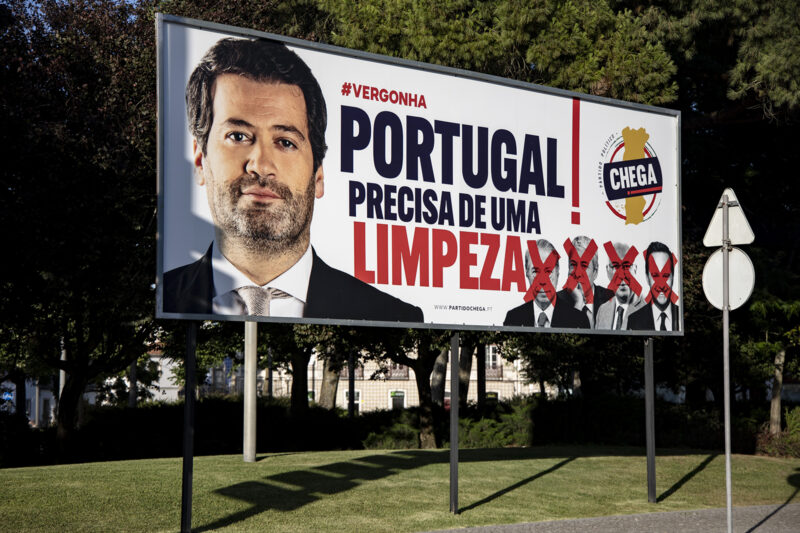
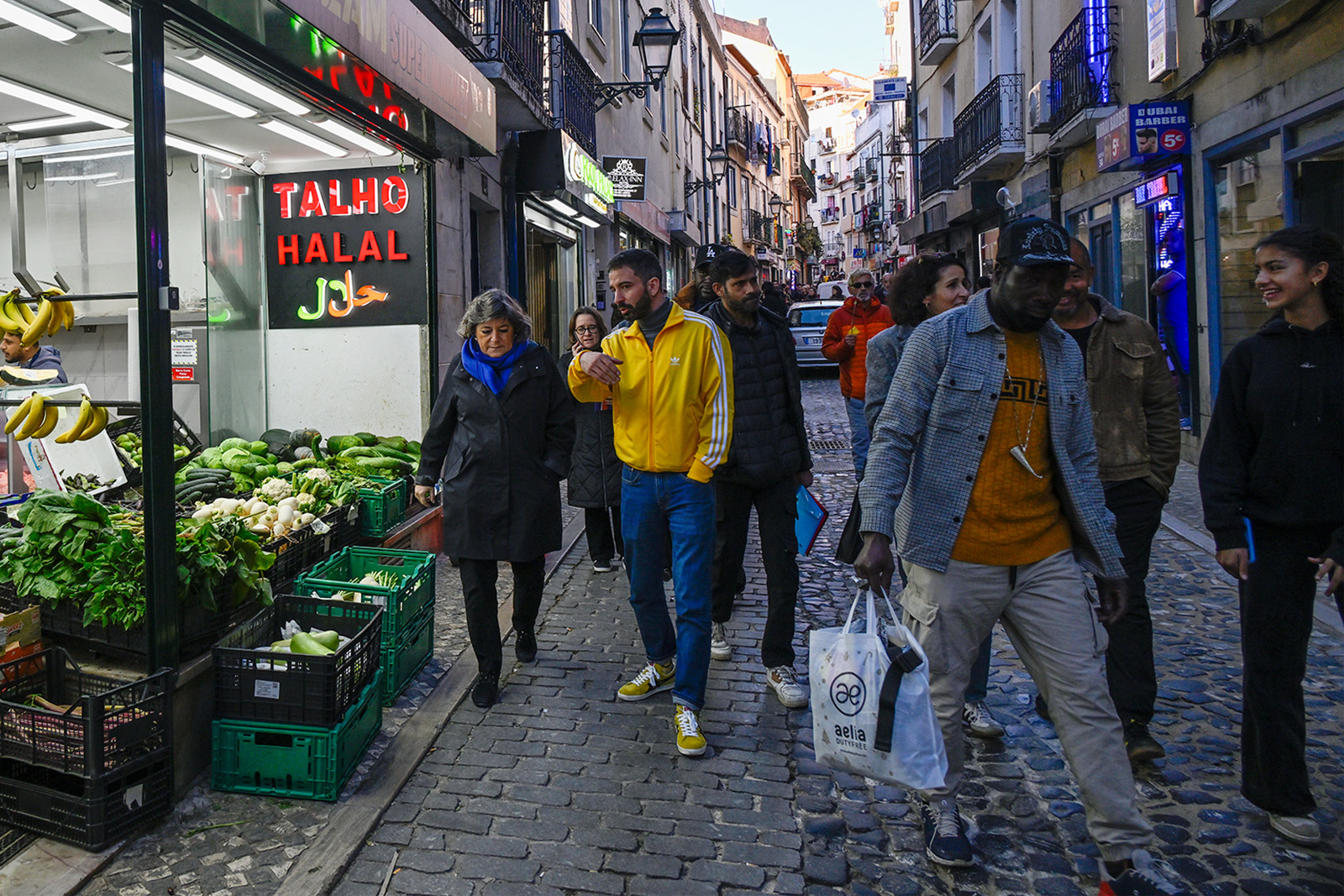
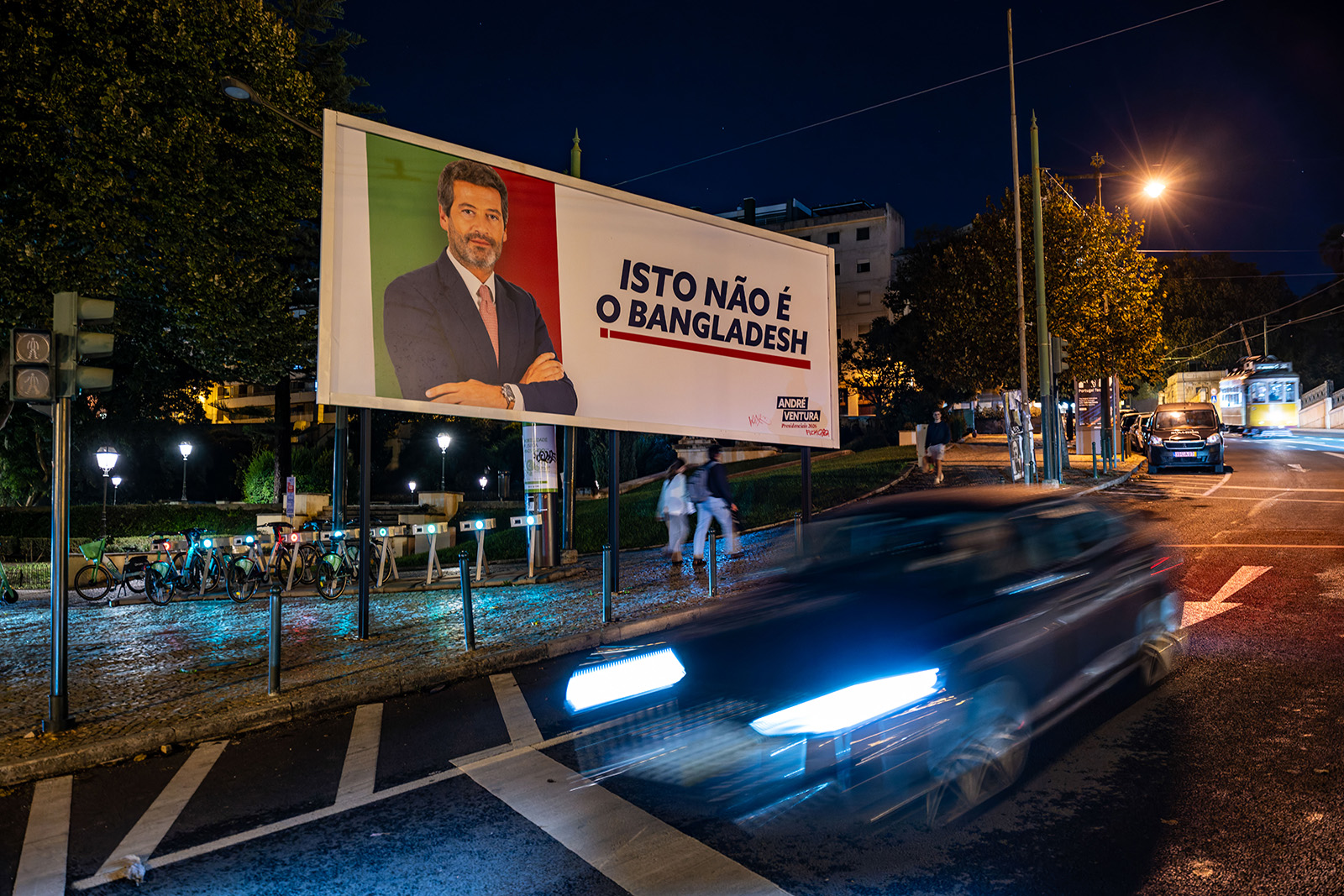
In January, Portugal will vote to elect a new president — a largely ceremonial role, but with some powers of legislative oversight. Ventura kicked off his candidacy by targeting the country’s Roma and Bangladeshi communities, with billboards declaring “Ciganos [Roma] must obey the law” and “This is not Bangladesh”.
Several Roma associations and Antonio Garcia Pereira, a prominent Marxist politician and lawyer, have launched legal appeals over the billboards. The Bangladesh embassy in Portugal said it was contacting the authorities but in Mouraria, as Uddin explains, they’re holding fire. Despite the upswing in xenophobic rhetoric, Uddin remains hopeful that most people in Portugal don’t share Chega’s views but admits the mood in his community is gloomy.
“People are thinking that maybe one day Muslims will have to leave,” he said.
Lodhia points out that until the authoritarian dictatorship, established by António de Oliveira Salazar, collapsed in 1974, women were forced to be subservient to their husbands, fathers and the state. Chega, she says, is intent on turning back the clock.
“They are taking our freedom. They are starting with small things that no one will make a fuss about, but we know they are going to go further,” she said. “I’m not worried as a Muslim woman. I’m worried as a Portuguese person who sees her rights being taken.”