

Farage’s opponents are desperate for racism claims to stick. Will they matter?
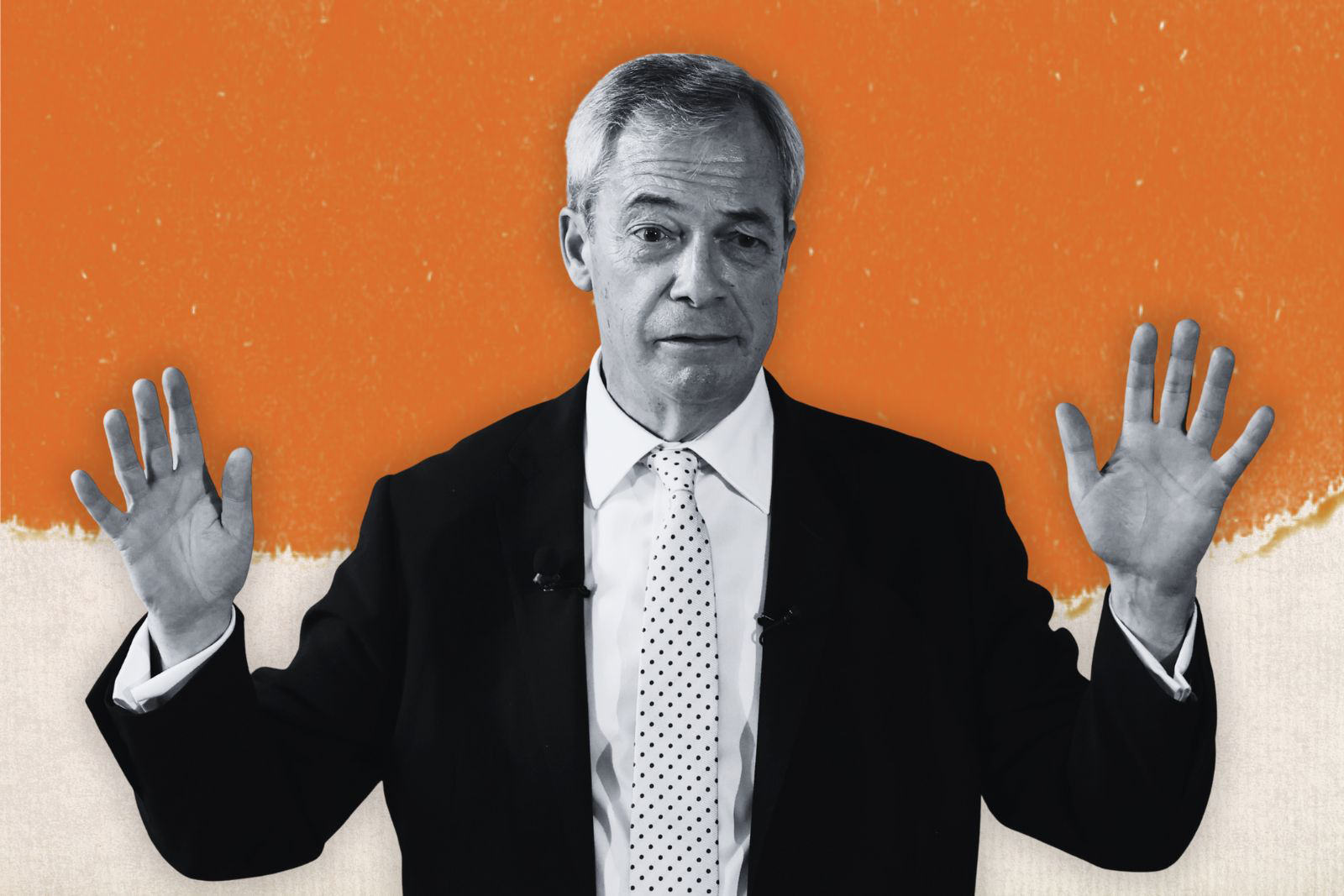
Reform UK’s leader faces dozens of allegations that he racially abused classmates at Dulwich College, which he denies. Yet he keeps chalking up wins

It feels as though Nigel Farage is everywhere right now, driving, dominating and reshaping the political conversation. Whether you admire him, despise him or simply find him impossible to tune out, he has for many years been one of the most influential figures in British politics. What is different in 2025 is that many believe he is on a genuine path to Downing Street.
That trajectory is why the allegations of racism during his school days — stories that have suddenly burst back into the headlines — matter so much. The closer we edge towards an election, the more intense the scrutiny will become. Voters will want to know who Farage is beyond the political persona, and what shaped the man who says he’s ready for Number 10.
Farage has consistently brushed off the allegations as politically motivated smears. He says he has “never directly racially abused anybody”. Several former classmates, however, have chosen this moment to speak out, and their accounts are serious. Jean-Pierre Lihou told Sky News that Farage used to sing a song about Nazi gas chambers. Another former pupil, Stefan Benarroch, says he was “terrified” of Farage’s “gang of bullies”, which he alleges targeted Jewish boys. The Guardian reports that 28 former teachers and pupils have come forward with similar claims.
Related content
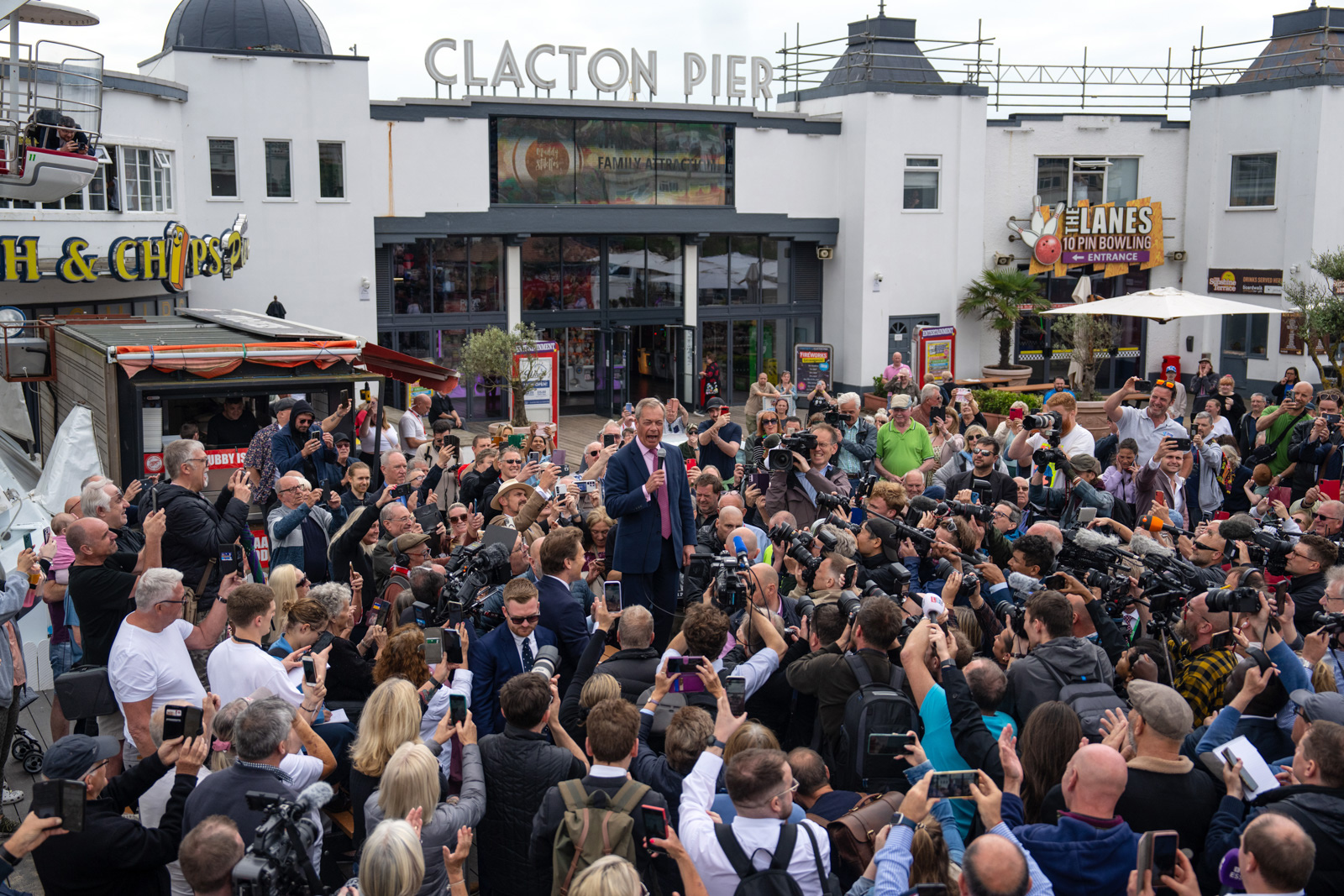
A group of Holocaust survivors has urged Farage to either admit and apologise for the comments, or accuse his former classmates of lying. Farage has spent years branding himself as the politician who gives straight answers to straight questions — but his responses on this subject have often been anything but straightforward.
Back in 2013, when challenged about similar accusations, Farage said: “Of course I said some ridiculous things,” before adding they were “not necessarily racist”. Versions of the same allegations have surfaced repeatedly since then, and the pattern of responses has been broadly the same.
When the Guardian approached Farage about the latest claims, Adam Richardson, a barrister for Reform UK, dismissed them as “wholly untrue”. A Reform spokesperson said they were “entirely without foundation” and lacked any contemporaneous evidence. But later, in a broadcast interview, Farage shifted tone. Asked if he had ever racially abused anyone, he replied: “No, not with intent.” When pressed on what that meant, he responded: “I have never directly, really tried to go and hurt anybody.”
Weeks later, at a press conference, Farage changed tack again — accusing broadcasters of hypocrisy for judging 1970s behaviour by today’s standards, pointing out that television output from that era would be viewed as offensive and racist by today’s standards too. He then read out a letter — from, he said, a former schoolmate — insisting that, while there had been “macho tongue-in-cheek schoolboy banter”, it was “never with malice” and that “I never heard him racially abuse anyone”.
This has not impressed his political opponents. As one Labour minister put it to me: “He says he’s straight-talking, and the public can now see he can be as slippery as every other politician they don’t like when he wants to be.”
Inside Labour, particularly among those alarmed by how long Reform has been leading in the polls, some tell me they see this moment as a possible inflection point — a sign that Farage may buckle under sustained scrutiny. “It’s easier being in opposition and shouting from the sidelines,” another Labour backbencher told me. “It’s very different when everything you say and do and everything you’ve ever said and done is looked at.”
Related content
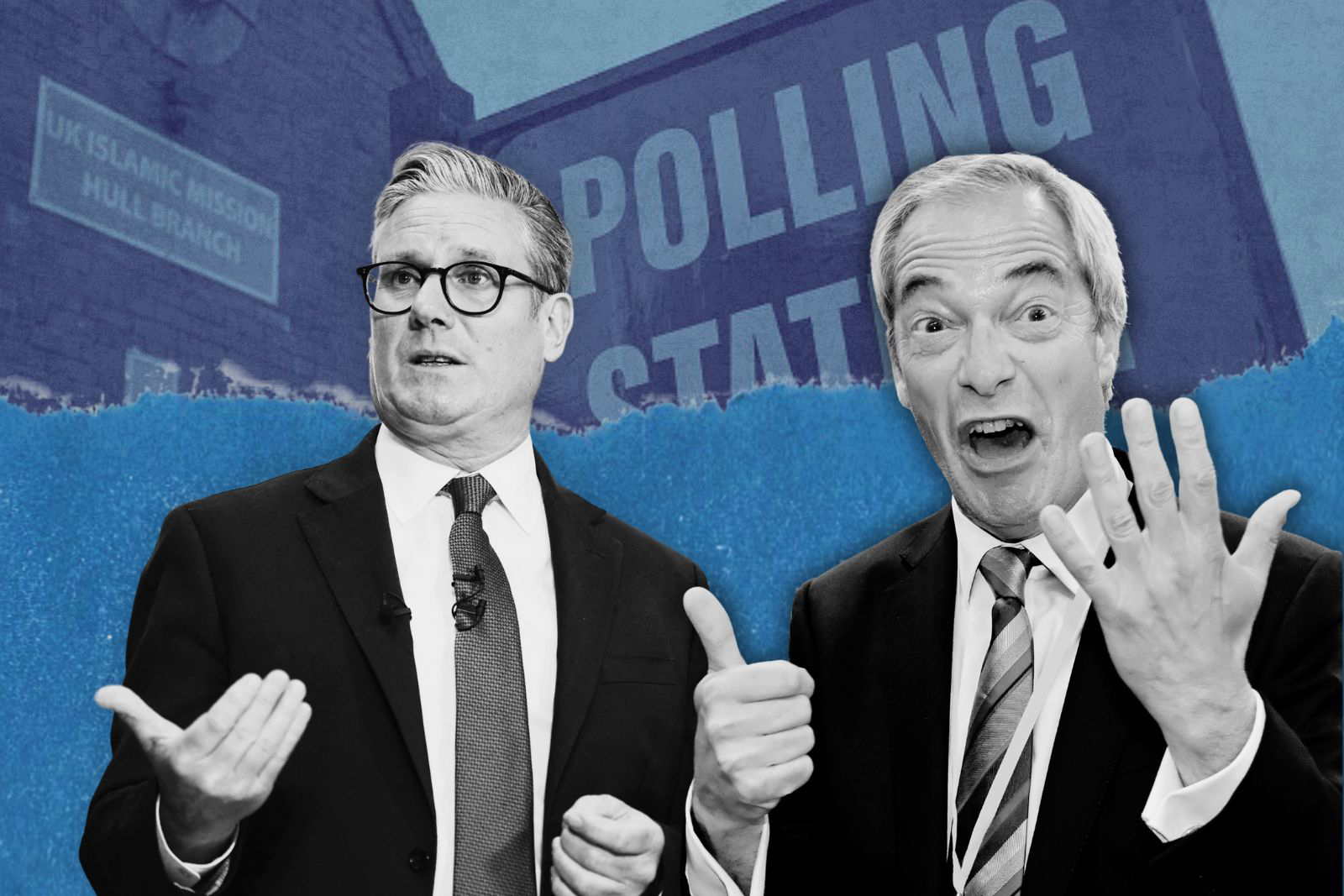
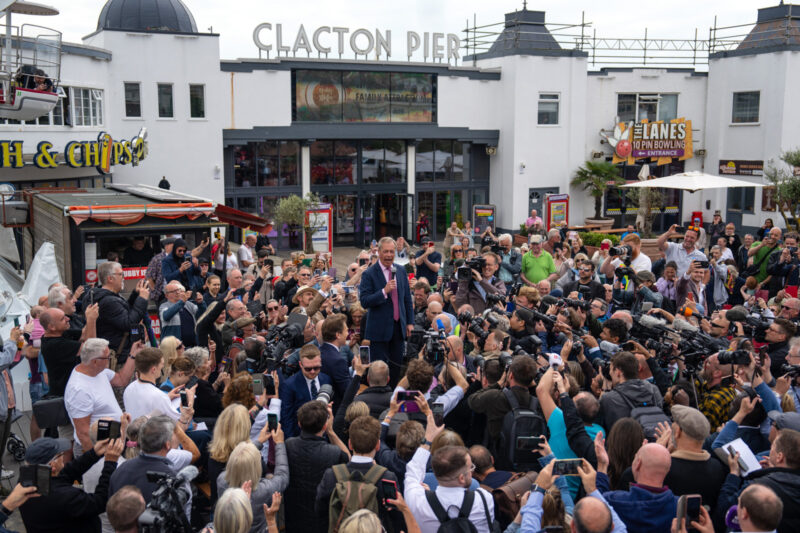
Reform UK, meanwhile, is accusing the media and political rivals of desperation, insisting that stories from half a century ago are only being dragged up now to derail its momentum. But these aren’t the only challenges confronting the party at the moment. Farage now faces a police referral over allegations that he falsified expenses during his successful 2024 Clacton campaign — claims that Reform has dismissed as nonsense from a “disgruntled” former councillor who the party says was expelled several months ago. Labour and the Conservatives, unsurprisingly, want answers.
Despite the swirl of allegations, Farage continues to chalk up wins. The defection of millionaire Tory donor Malcolm Offord, who resigned from the House of Lords to join Reform last week, was an impeccably timed boost. Offord says he’ll campaign “tirelessly” to oust the SNP and attempt to win over Scotland with Reform’s message — suggesting that, despite the recent stories, support for both Farage and Reform remains.
Farage’s appeal has always been unusually resilient. His supporters often view every fresh controversy as evidence that he is unsettling the establishment. From my conversations with voters across the country, it seems to me he is tapping into a mood that isn’t easily rattled by scandal, however serious.
Shehab Khan is an award-winning presenter and political correspondent for ITV News.