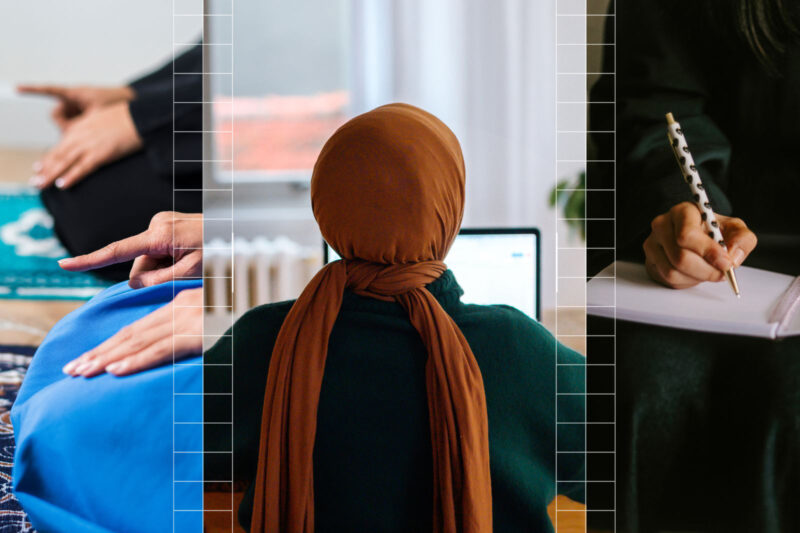


Muslim women are building the social spaces they’ve always needed
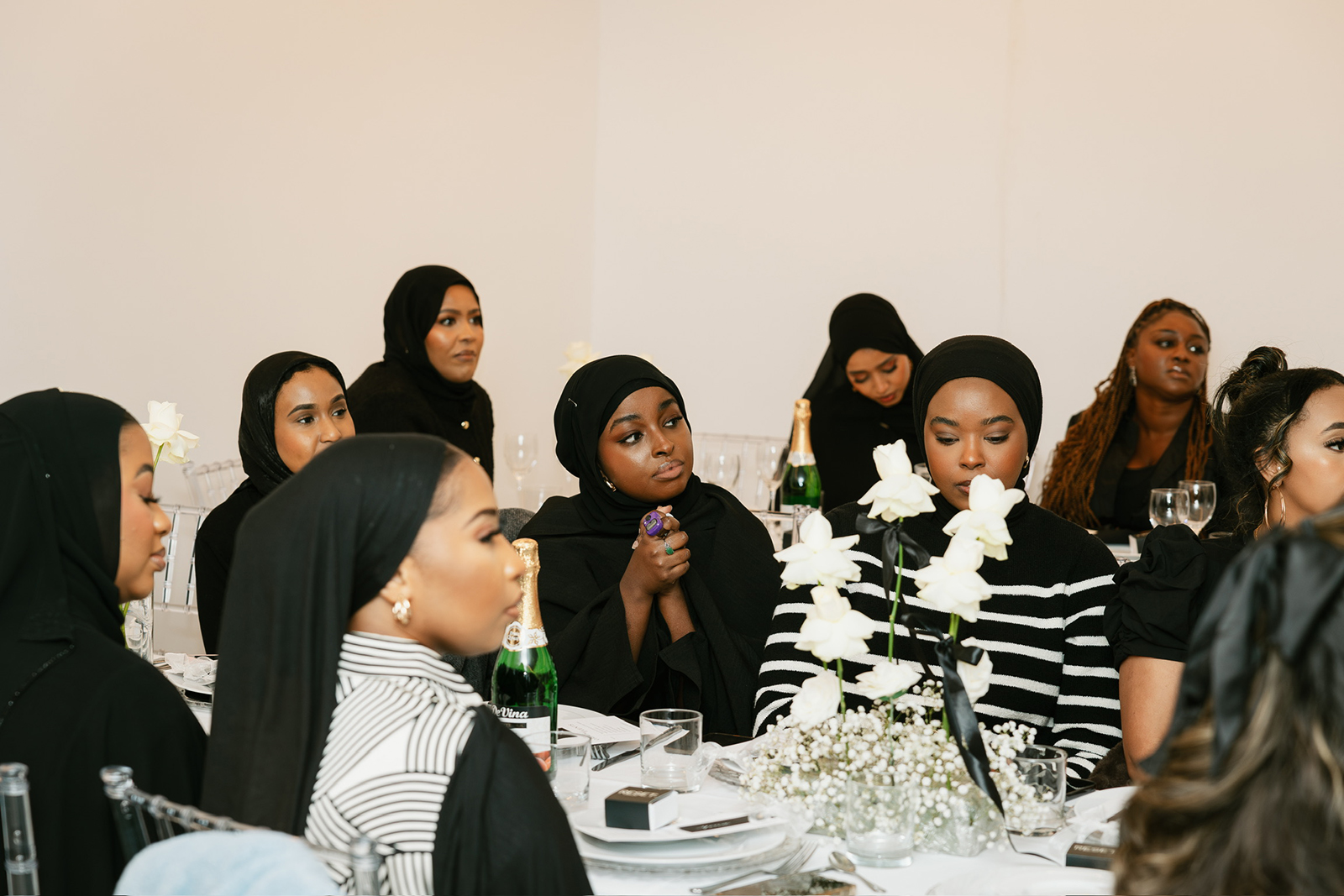
Across the UK, get-togethers, craft workshops and dance events are providing space to create lasting friendships and supportive communities
It’s a chilly Friday morning when I meet six other Muslim women for coffee in the back room of Bruncho, a Mediterranean restaurant in Manchester. Tucked away just behind Deansgate, the city’s main thoroughfare, we bond over matcha, shakshuka and Turkish eggs, chatting about work, travel, marriage and children.
One of us has recently moved to the city and is hoping to make some new friends, while another is enjoying some time for herself before heading back home to her young son. A couple more have brought their babies, not wanting to miss the fun. The one thing we have in common is that we have all come on our own.
“I haven’t been here for some time,” says Hawa Amiri, 31, a mother of four, who has attended several of the monthly gatherings. “We don’t have anything like this in our community, especially in Manchester, but this space has been so useful for people like me who don’t have family close by. You get to meet other people, make friends and learn from them — I love it.”

The monthly get-together is organised by Amira Mohammed, 32. In February 2024, she launched Bridal Haven, a wedding coordination service that runs retreats for Muslim brides. The platform proved a resounding success, but she was also flooded with requests that she host events open to all Muslim women, not just those about to get married.
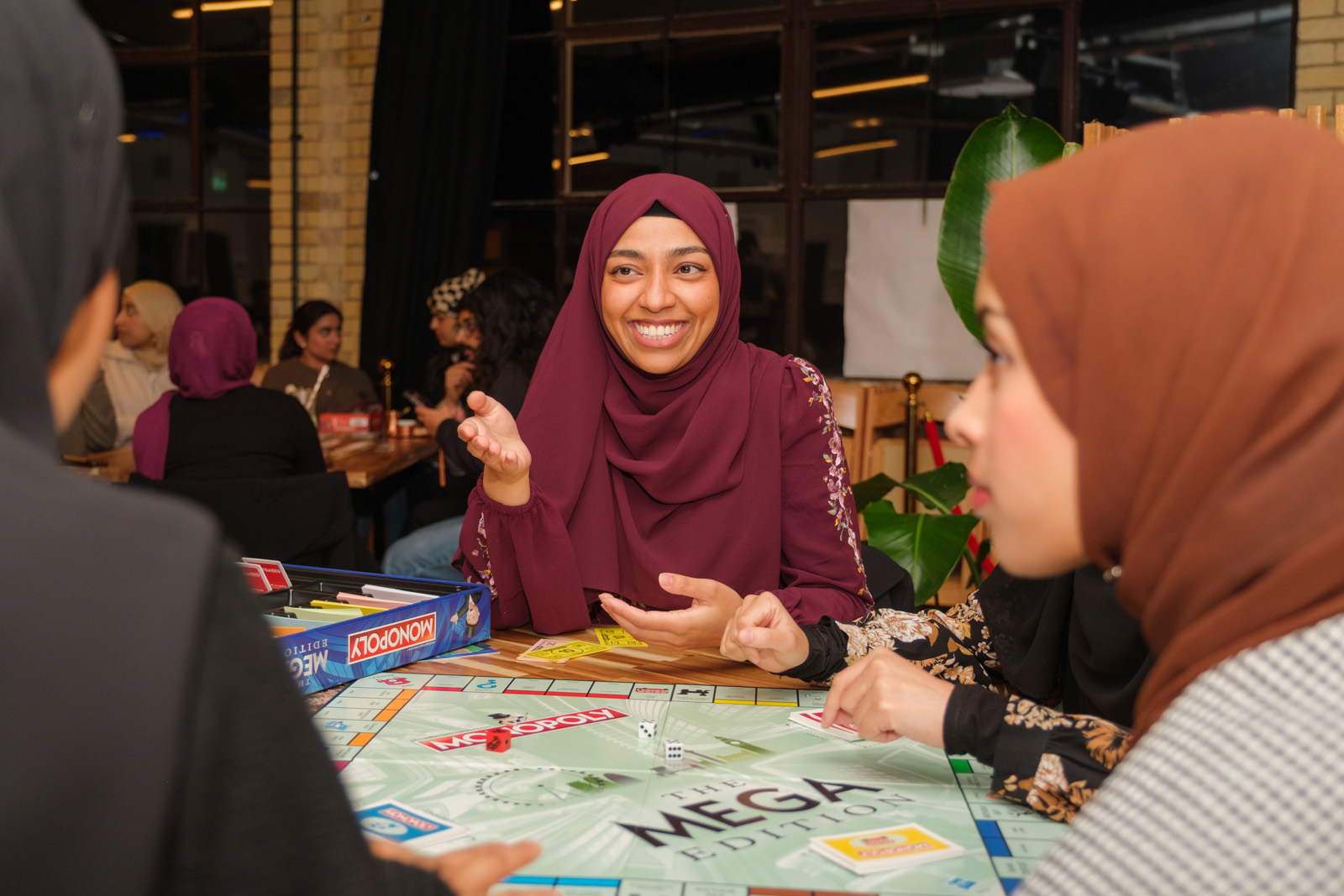
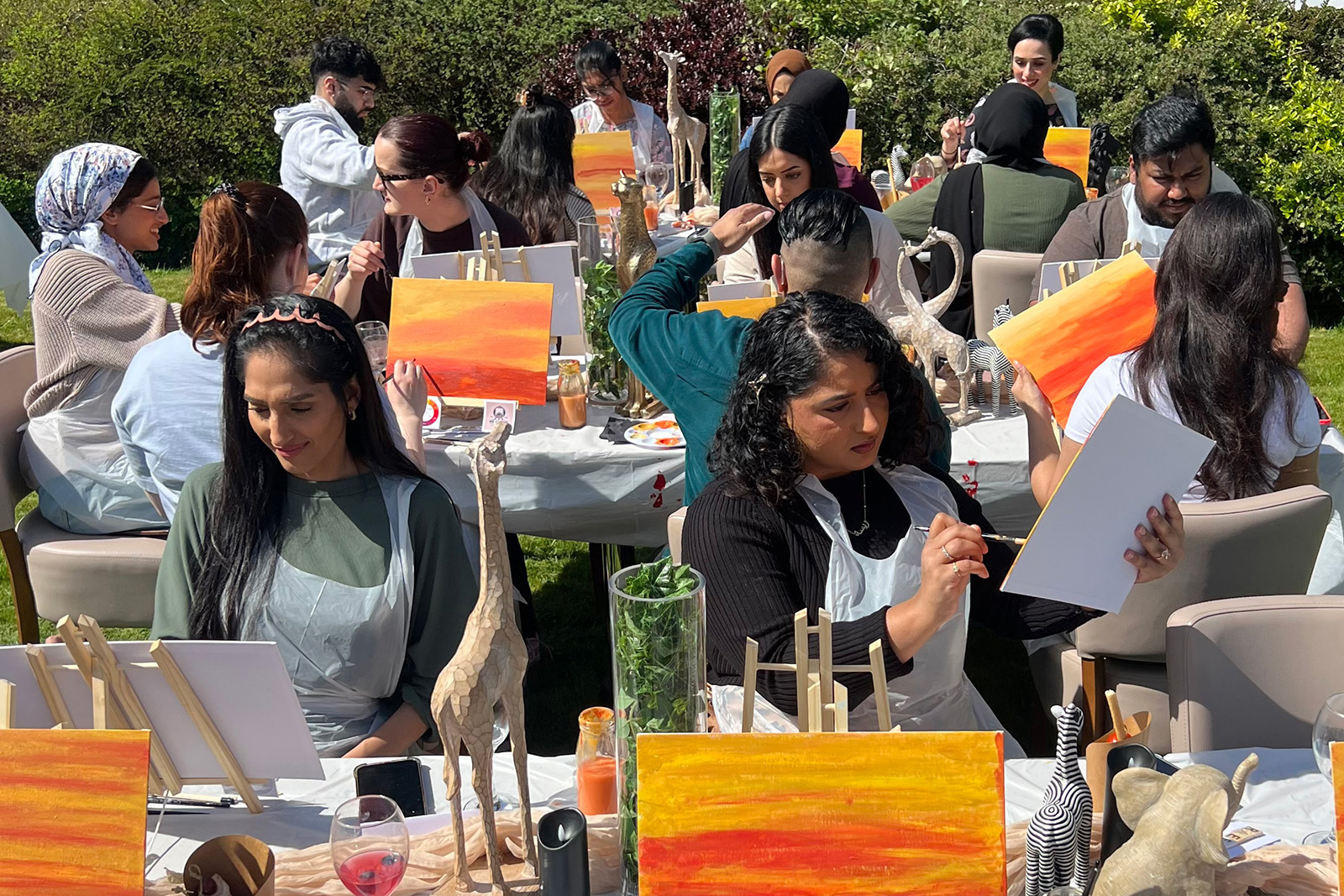
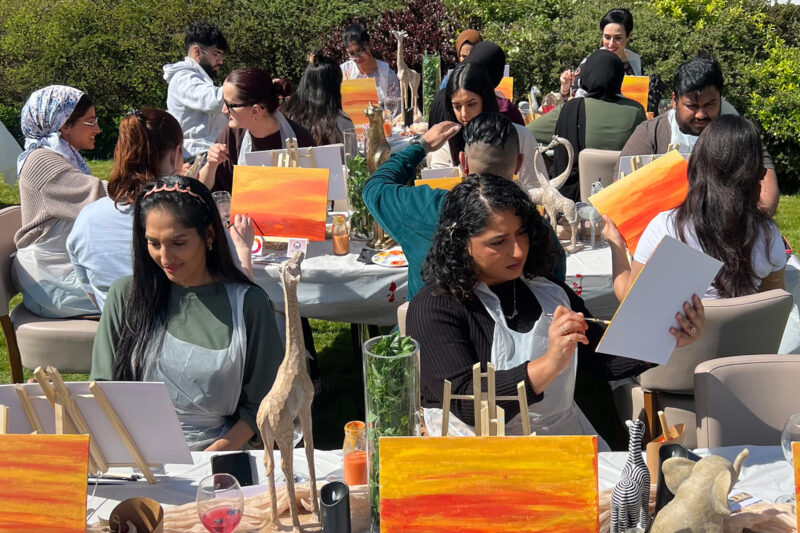
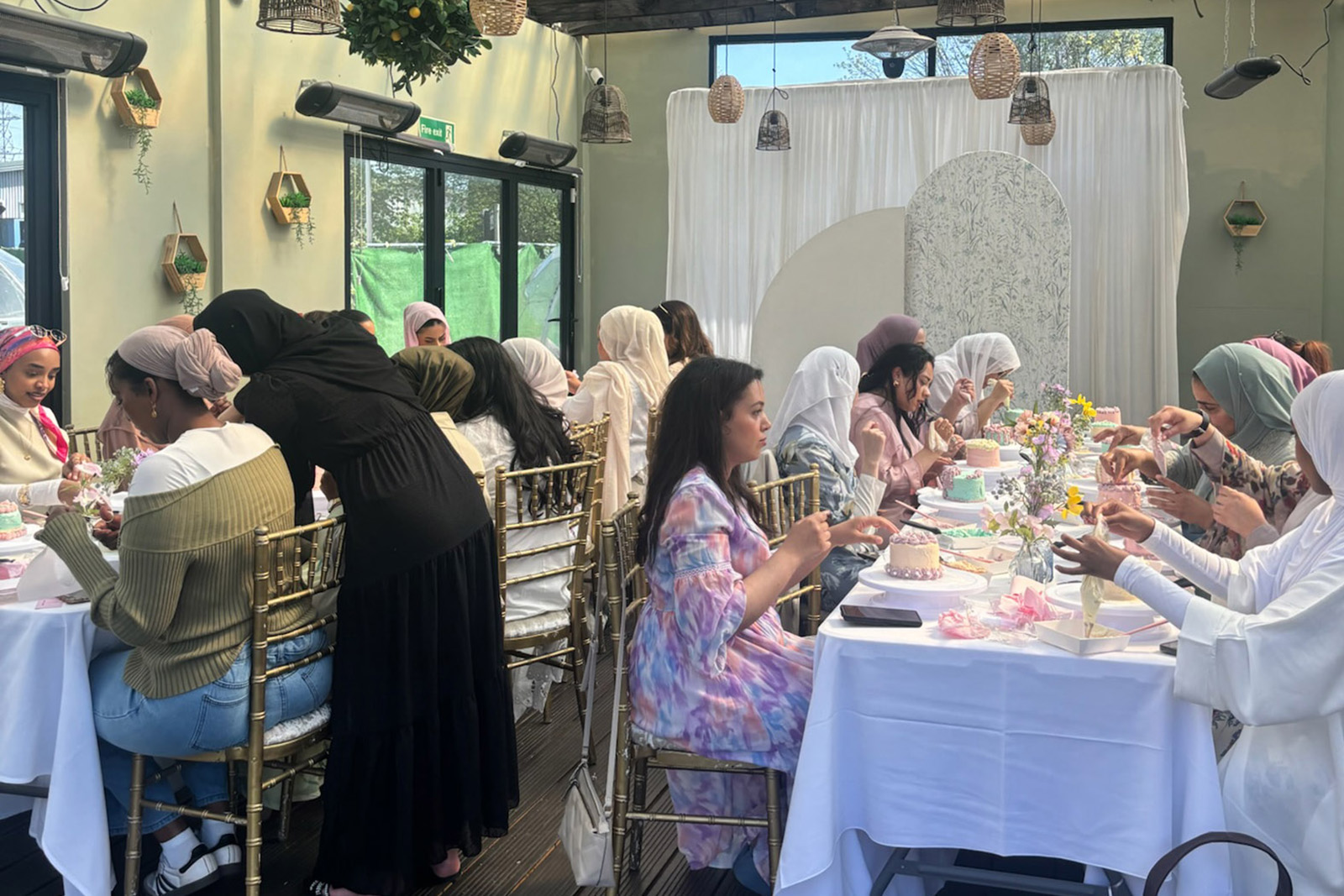
Within a few weeks, she had set up a group called Serenity & Sisterhood and held a pilates session open to women regardless of their marital status. Coffee mornings, flower-arranging workshops, bento cake decorating and pottery painting followed. All received an overwhelming response.
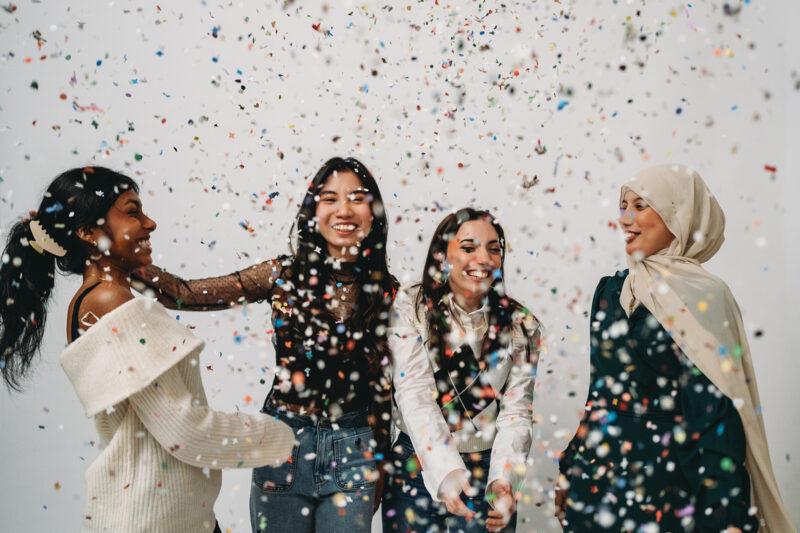
Mohammed’s initiative is part of a growing national trend of Muslim women building social groups of their own — safe spaces for friendship and discussion that sit outside the mosque, the family and many of the expectations placed on them in everyday life.
While women’s community groups have existed for years, many of these newer, Muslim-led spaces came into their own in the aftermath of Covid-19 restrictions. The 2020-21 lockdowns created widespread feelings of loneliness for many people. Across the UK, loneliness has become one of society’s most pervasive social issues. In 2022, nearly half of all adults — around 26 million people — said they felt lonely at least sometimes, and more than 7% described experiencing such feelings often or always, according to the Campaign to End Loneliness.
Against that backdrop, Muslim women’s groups have become an important form of self-care and community building and now operate in cities and towns including Manchester, Bradford and London.
In 2017, Olaitan Olawande, now 26, was struggling to find friends at university in Bangor, north Wales. Her response was to start a student group for Muslim women. Her first events drew only six other participants, but when the lockdowns began, the group’s online meetings gradually attracted women from across the UK and the US.
Moving back to London in 2023, she launched a community for Muslim women named Successful Sisters in Islam. The group now has more than 8,000 followers and runs monthly gatherings across the city, including brunches, sports socials, calligraphy workshops, halaqas, and even aerial acrobatics sessions.
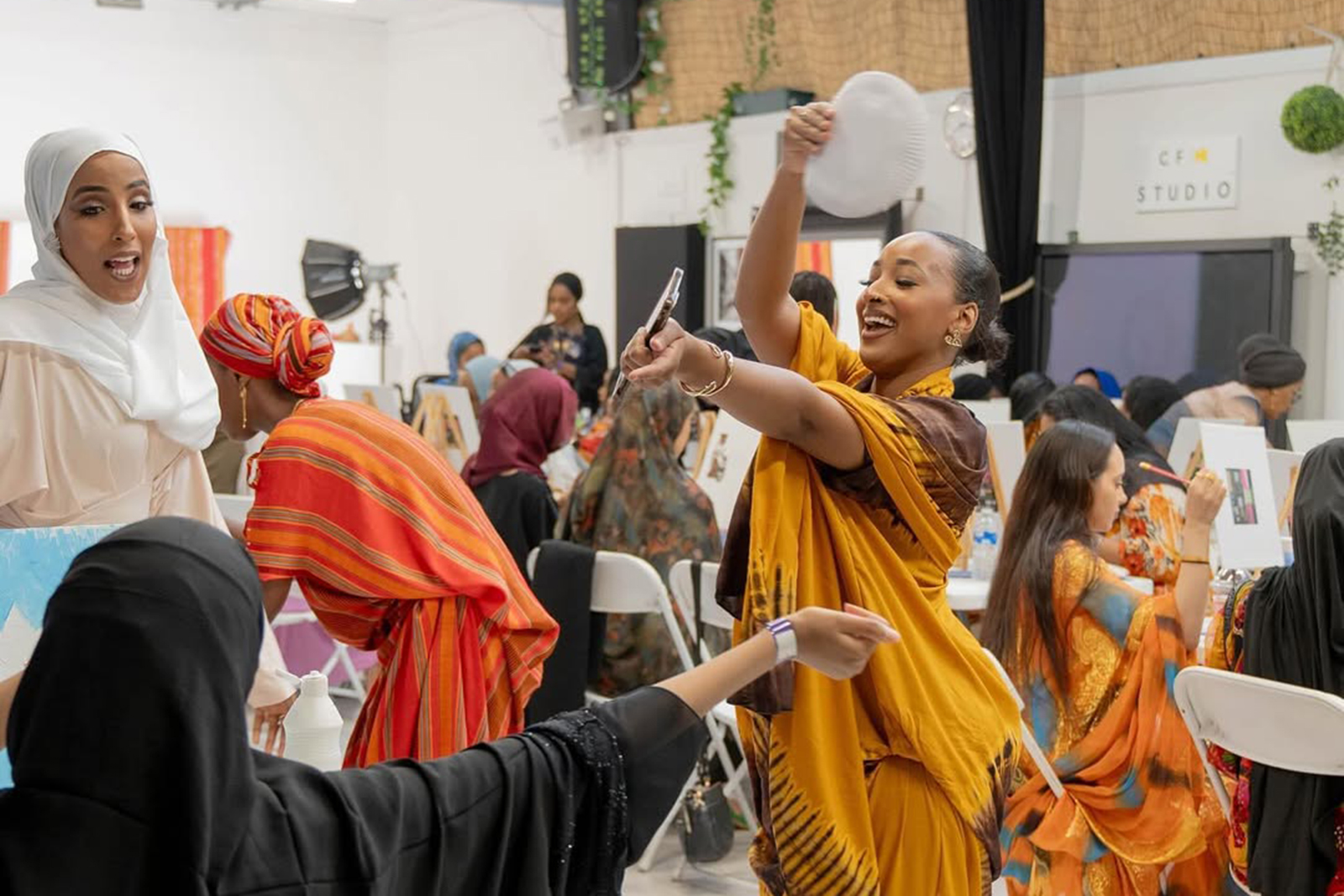
“A lot of it is women just wanting to make friends,” says Olawande. “They tell me they’ve wanted to try some of the activities we offer for years. Sometimes it’’s been something on their bucket list, like Qur’an journalling or trying to do henna, and they haven’t dared to go out and do it.”
Meanwhile, in Birmingham, R&S Events is creating a new kind of nightlife by hosting alcohol-free parties that redefine what fun looks like for Muslim women. Founded by Rahma Farah, 34, and Sadie Mohamed, 30, in 2014 as a wedding coordination service, the group expanded into events and hosted its first women-only party in Manchester in 2023, selling 120 tickets.
Since then, R&S Events has thrown parties in London, Birmingham and Sheffield, attracting guests from all over the country. The evenings offer snacks, crafts and a seamless mix of Somali music and classic R&B. And at the very end, phones are put down, lights dimmed, no filming — just dancing.
“We didn’t realise how many people really needed that kind of space,” says Hana Omar, 26, who joined the R&S team in 2019 as a DJ. “Somewhere that isn’t work or brunch, just a place to have fun, to be around people who are like you, who share your values.”