

Starmer ‘wants to be a statesman’. But some Labour MPs are getting restless
There’s no guarantee that Starmer can have an impact internationally, and there’s still little detail on how he’ll mitigate domestic effects of war

A two-week ceasefire in the Middle East, albeit a fragile one, has meant the calculation of what is happening and what comes next is consuming most of the bandwidth in Westminster this week.
Nearly every policy decision now has to factor in this global conflict — and the uncertainty that surrounds it is rather unhelpful, to say the least.
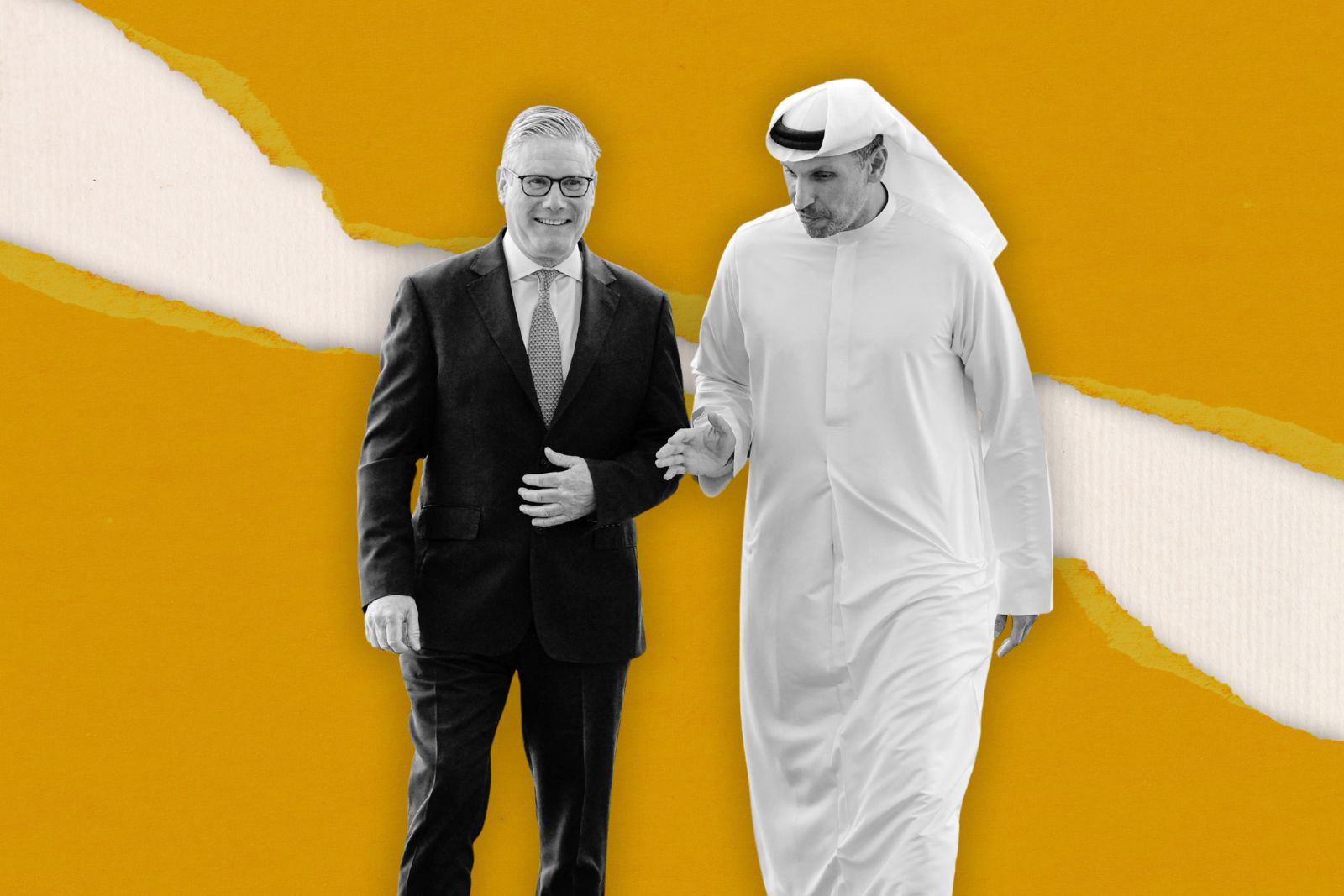
The prime minister is currently in the region on a diplomatic tour, meeting Gulf leaders and hoping to demonstrate the UK’s commitment to peace while publicly offering his support to allies. As he moves through those meetings, one question will thread through every conversation: can this pause in hostilities last long enough to produce something meaningful at the peace talks scheduled for this week in Pakistan? Nobody has the answer to that yet.
Related content
The structural problems are significant. Israel has been explicit that — unlike Iran and Pakistan, which brokered the deal — it does not believe the pause constrains its actions in Lebanon, and has continued to bombard densely populated areas there. Iranian factions are unlikely to absorb any of this in silence. British foreign secretary Yvette Cooper on Thursday condemned the strikes and called for the ceasefire to be “extended” to Lebanon, as fears grow that this already fragile arrangement could collapse entirely.
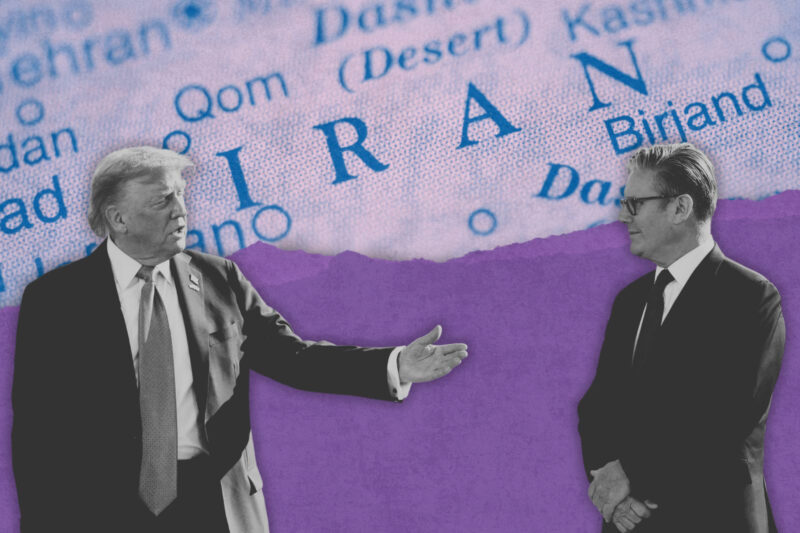
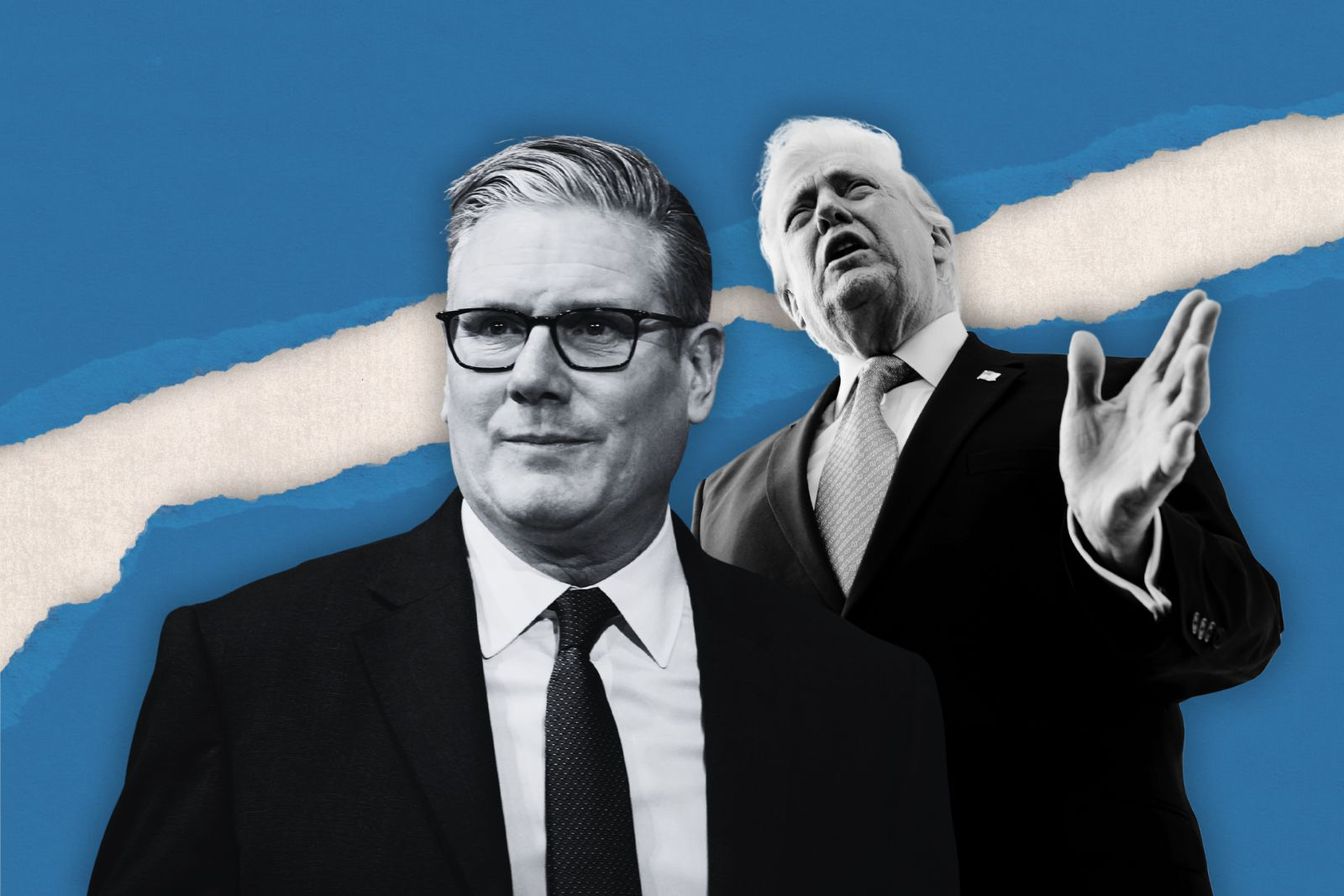
Then there is the question of the Strait of Hormuz. Iran has been pushing for a toll on the Strait, positioning itself as the gatekeeper of a waterway through which roughly a fifth of the world’s oil passes. Donald Trump, ever unpredictable, has suggested he might be open to the idea, while the UK has made clear it is vehemently opposed. Any attempt to monetise passage through the Strait would send shockwaves through energy markets that British consumers would feel in food prices and energy bills — but the reality is that there is very little the UK can do beyond making angry statements if the US and Iran both agree it is happening.
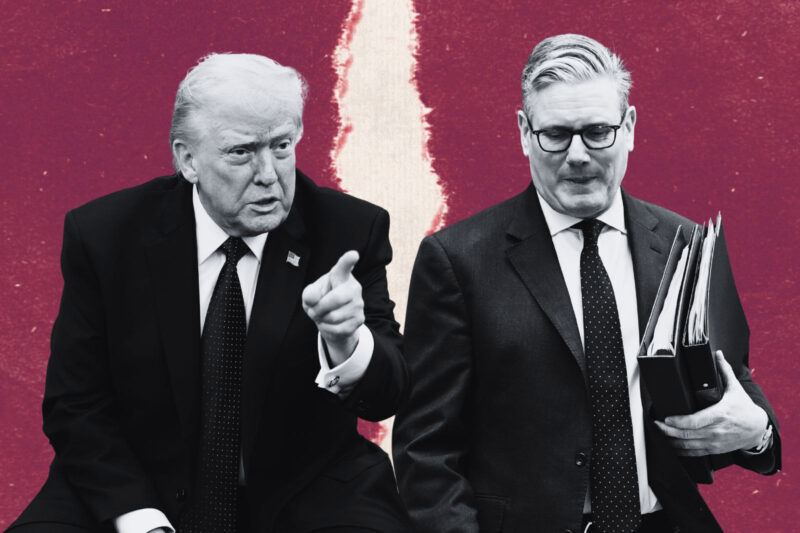
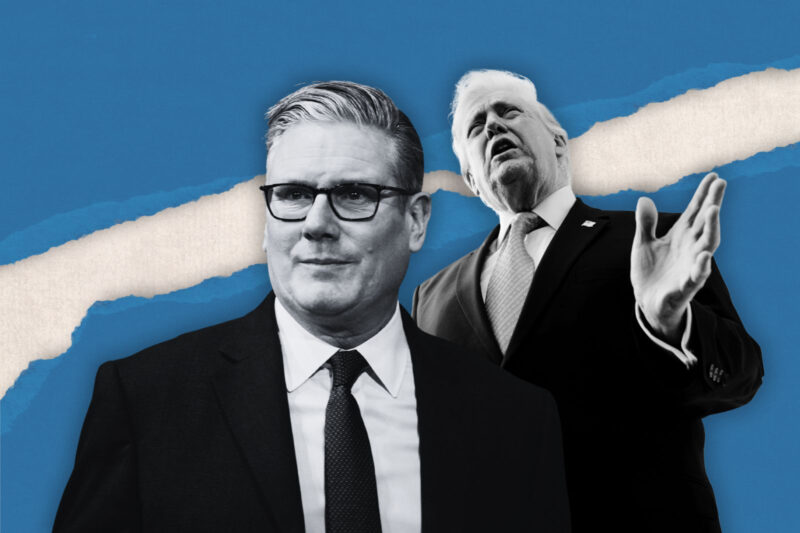
For Starmer, the Gulf trip is partly about geopolitics and trying to demonstrate influence and partly about something more personal. As one Labour MP put it to me: “It does feel as though the prime minister now has a purpose. He wants to be a statesman and seen as sensible on the international stage.”
That instinct is not unreasonable. In a world being reordered by Trump’s impulsive behaviour, having spoken to diplomats across the Gulf, there is genuine appetite on their part for a reliable ally. Both they and the UK were, at least publicly, opposed to this war, so Britain and Starmer could occupy that space. But whether warm words between the UK and Gulf states will translate into anything durable — and whether the UK can sustain a meaningfully different foreign policy posture from America if Trump applies significant pressure — remains an open question.
Back home, the picture is more complicated. The diplomacy has, for now, smothered a large amount of the political noise around the May local elections — neither the Labour Party nor the media is doing much talking about poll ratings this week, and they almost certainly would have been if this conflict had not escalated. But the silence on domestic concerns is temporary and some in the party are growing restless.
“It’s fine he’s travelling around again, but we have done very little to calm people down here about how this conflict will impact them,” one MP told me. Another was more pointed still about the electoral horizon: “All talk about the local elections has gone for a bit, but if in the run-up to it people realise they are about to go through another cost of living crisis, we are in trouble.”
That risk is real. Sustained disruption to energy supply chains does not stay in the Gulf — it moves through oil markets and onto British energy bills. The government will need a domestic economic plan, not just a foreign policy one, if the ceasefire frays and prices start to climb even more.
For now, Starmer is playing the hand available to him. The UK has been deploying planes and weapons to protect Gulf states from Iranian drone threats, and that buys goodwill. Whether that goodwill translates into something durable — commercially, strategically, politically — is what the coming days and months will reveal.
Related content
That deployment also comes at a cost. On Thursday morning, I attended a press conference with defence secretary John Healey on behalf of ITV News, which gave a striking indication of the pressure currently bearing down on UK defence capabilities. Healey declassified operational details apparently revealing that Russian spy and attack submarines had been running what we are told was a month-long spying mission around British infrastructure, in particular cables and pipelines we use for gas and data. We have been told the UK had to deploy warships and aircraft to monitor and intercept the operation, and assessments will be made to confirm whether any damage was done.
I asked Healey directly whether he was worried about the strain on UK defence capacity given the intensifying demands from both Russia and the Middle East. He batted the question away, pointing to the extra funding the government has committed and the cuts made by the previous Conservative administration. It was a politically comfortable answer but whether it was a reassuring one is a different matter entirely.
Starmer appears to want an international stage. But the ceasefire is fragile, the politics at home are briefly muted but unresolved, and the pressure on British defence and economic resilience is only going to increase.
Shehab Khan is an award-winning presenter and political correspondent for ITV News.