

As a mother, I hope to pass on the qualities of the remarkable women who came before me
Only now that I have children can I truly appreciate how much the generations of women in my family did to provide us with love and protection
In June 2024 I gave birth to my son and daughter within three minutes of one another. My daughter came first. I had a C-section so I couldn’t feel her entry into the world in my body, but the sound of her cries and the first sight of her little form touched me in a way I can’t describe.
As the eldest of three sisters, I was excited about having a girl, but the idea of a son felt novel. A daughter seemed a more familiar concept. Even my mother, a veteran nappy changer, had questions about how best to maintain the personal hygiene of a baby boy. Together we went to the NCT sessions, using dolls to practise the basics, and we discussed the ways in which rearing children changes but also stays the same over generations.
Related content
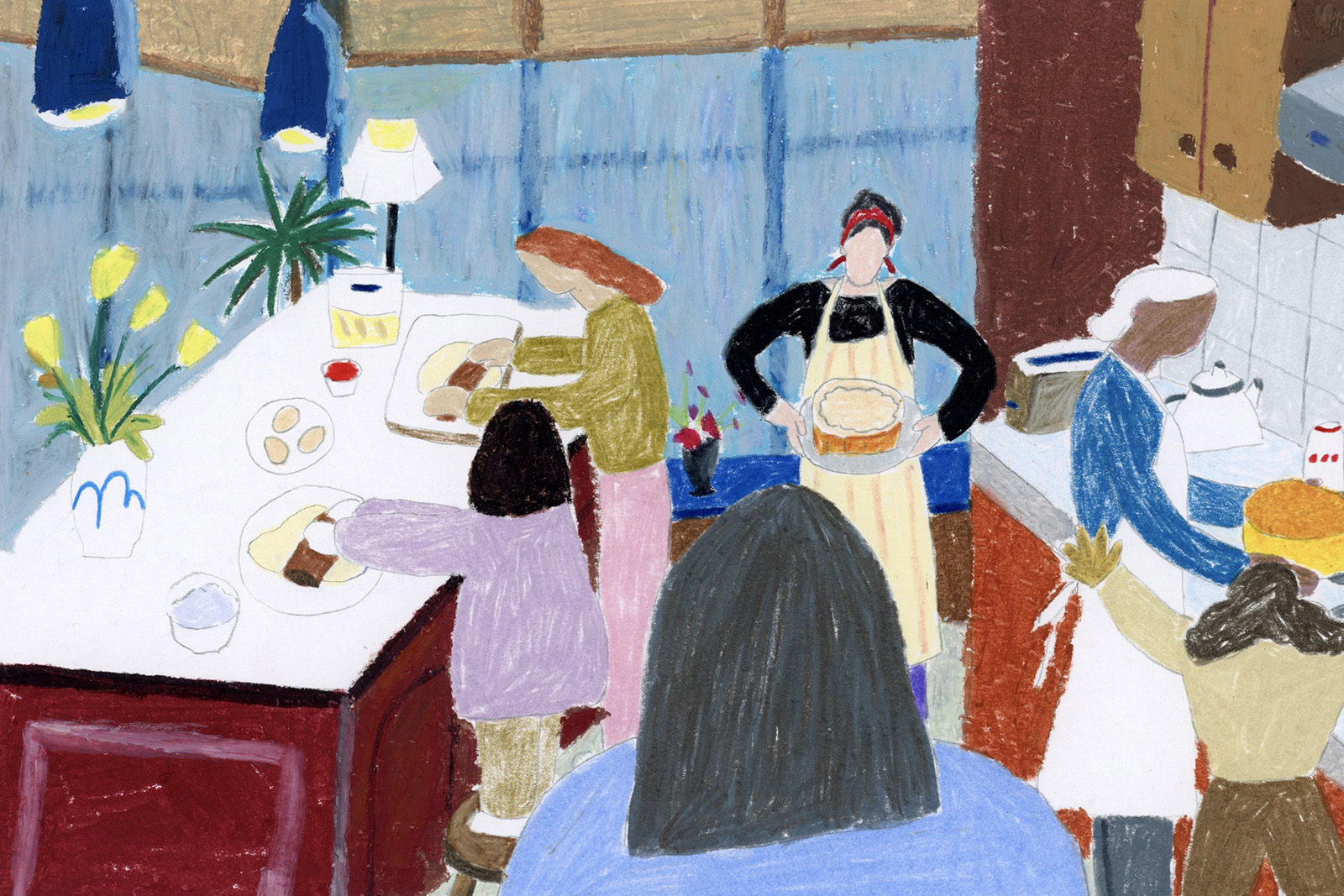
Becoming a mother has made me look at my own mother differently, as well as every other woman in my family tree. They all had hopes, dreams and prayers for us, understanding the power of faith and ritual. They made sacrifices that are often forgotten, so that we could thrive. It is in the mundane, repetitive and thankless motions that love is passed on, and I realise now that these rituals have formed a big part of who I am, and what I pass on to my children. Islam says that heaven lies at the feet of your mother, and stepping into motherhood has made me look at the capacity of women to love in a new light.
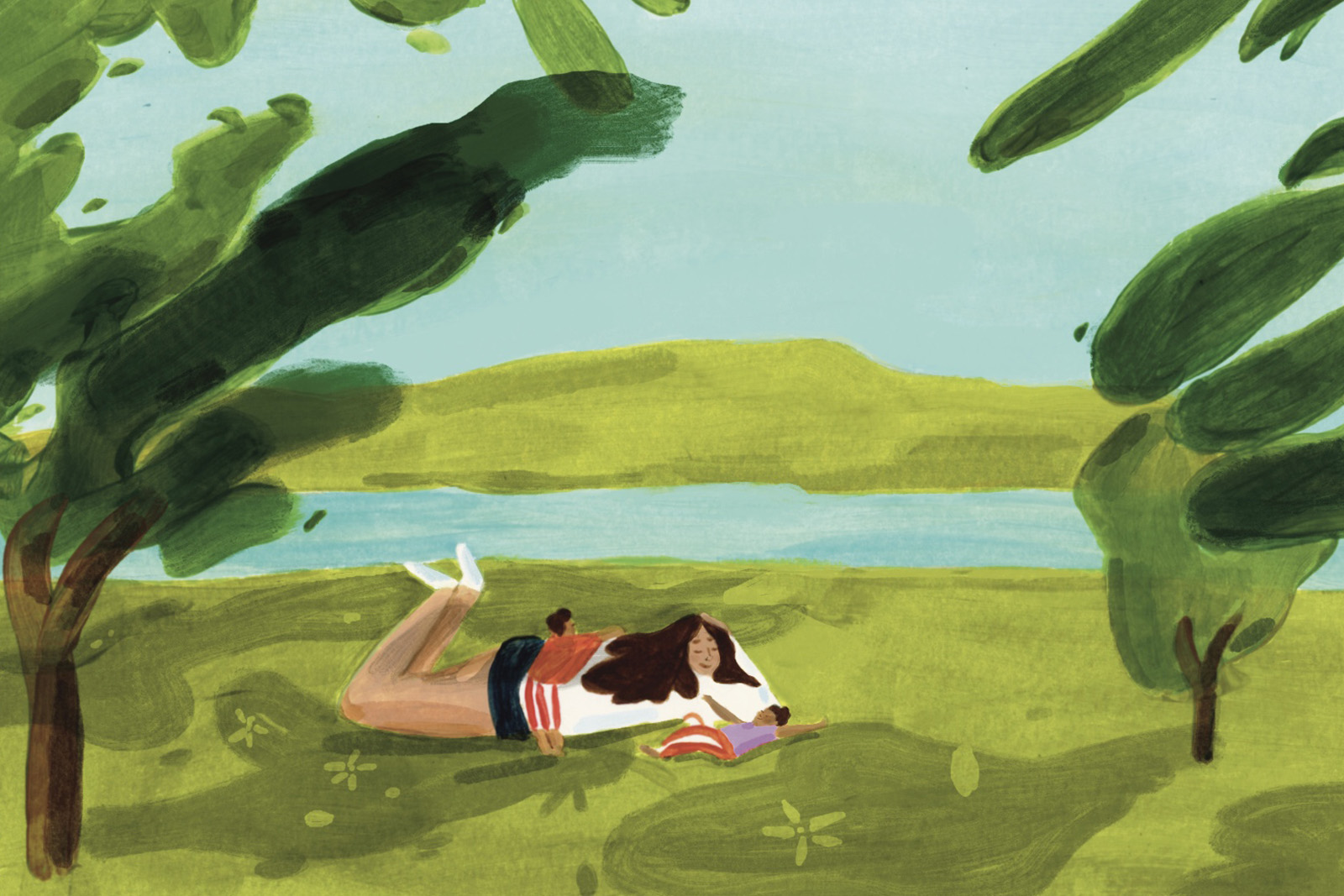
I recall one mother and baby yoga session in my local park when the twins were eight weeks old, lying on my mat shielded from the sunshine by a big tree. My son is a sleeper, so very often he would nap in the pushchair while I went through the movements, massaging my daughter’s little limbs and showering her with kisses during the practice.
After the session I lay with my daughter on my chest. My eyes were closed and the sensation of the sunshine on my skin triggered memories of siestas in Algeria in my grandmother’s home when we would visit during the school holidays. The afternoon light would cut through her patterned, netted curtains. My grandmother would peel my eggs for me at breakfast, insist on second and third servings of food and blow me kisses across the room.
I felt very loved by her but we didn’t share a language, so we had to be creative in expressing love. Her hands were sore from arthritis and I would take creams to gently massage her joints with, hoping to give her some small relief.
She had five sons who survived; my father was the eldest. A quiet matriarch, she was kind, intelligent and resilient. She was taken out of school very young and couldn’t read or write, but she set up my father to get an education and he came to the UK to do his PhD. I was the first grandchild and, after raising so many boys, she was delighted to have a girl in the family.
Sadly, my grandmother passed away during the Covid-19 pandemic and we were unable to attend her funeral due to travel restrictions. It was heartbreaking.
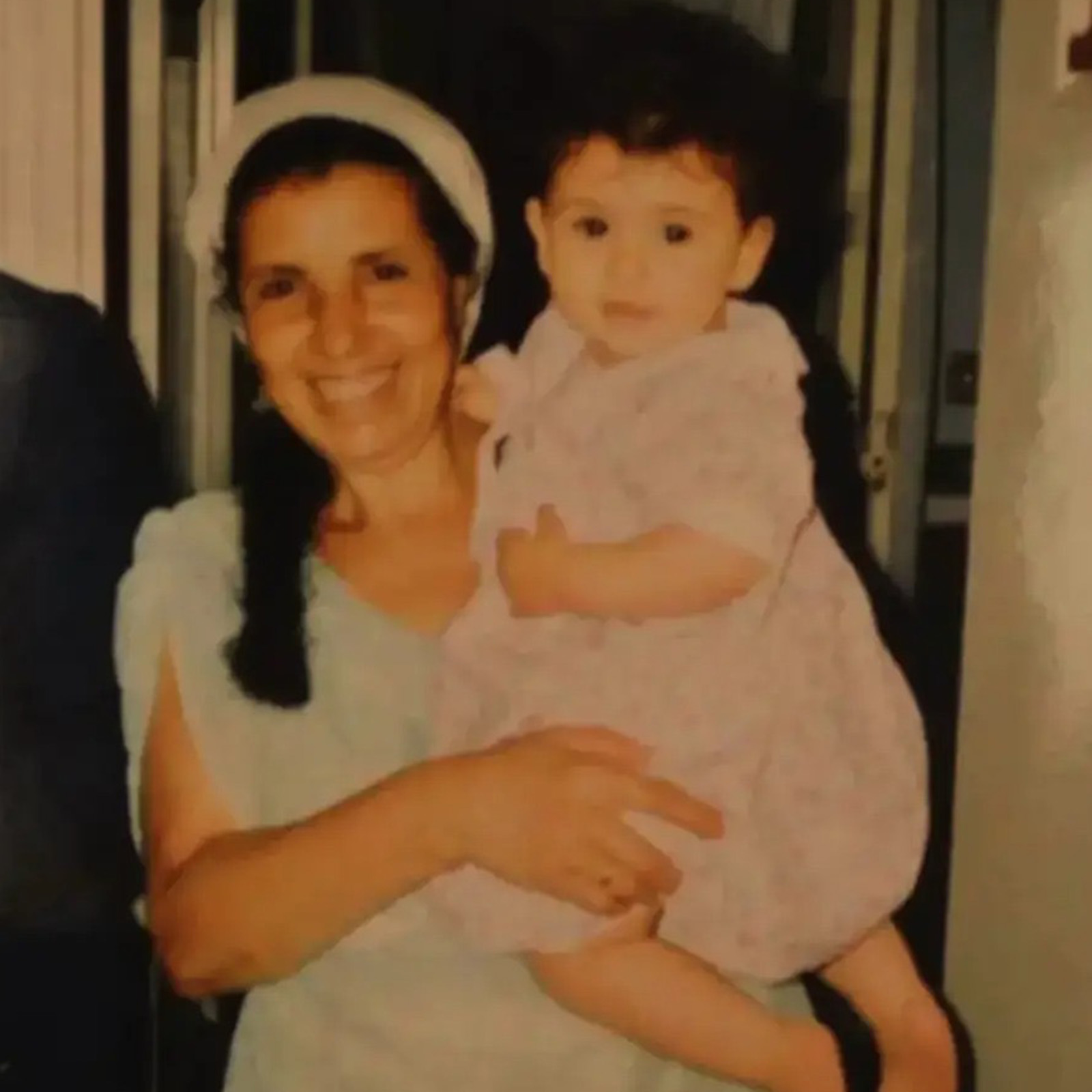
As I lay under the tree thinking of her, I missed her greatly and tears began to fall down the sides of my face. My hands were resting on my daughter and I remembered that her middle name is my grandmother’s. I held her tightly, knowing that she too descends from the same line. They never met — just as I never met my great-grandmother, but I feel like I knew her because of all the stories I was told.
My great-grandmother, Umm Khamsa, was, by all accounts, a beautiful and strong woman. She had traditional face tattoos, which we were told were so that she wouldn’t be kidnapped by French colonialists who had expressed interest.
She was married five times. She would throw someone out of a party if she didn’t want them to be there. She’d dance until she was in a trance, and argue with border enforcers to get from Algeria to Morocco without the right papers in hand. Rebellious, forthright and relentless. Characteristics I identify with. It’s important that I tell my daughter these stories, because these women existed and grew and nurtured the lines that we descend from.
The first time I went back to Algeria after my grandmother died, I visited her grave with my aunt and cousin. The three of us prayed for her there. In that moment I realised it was now my responsibility to pray for my grandmother and her mother, the way that they had prayed for me, and how it goes backwards and forwards, the care and love being sent along generational lines.
Related content

It is now that I have children that I can truly appreciate just how much the women before me did to provide us with the love and protection that enables me to go out into the world and push ahead for my own children. It is important to me to remember these women, to give thanks for them and to pray for their souls, as they prayed for me and my future children, before they even existed.
I pray for my children, always, for their safety and prosperity. I pray that my daughter will move with even more ease than I do, that she will have more freedoms, even more love and that she will be able to do whatever she wants with this life.
I pray that I’ll be able to love my children as well as my grandmother did, that I will pass on her best qualities and that my daughter will know that she descends from a line of remarkable women. It’s my job now to make sure that I live up to the standards and values I’ve been fortunate enough to experience myself.