

Six doctors dismissed my endometriosis. Now I know I’m not the only one
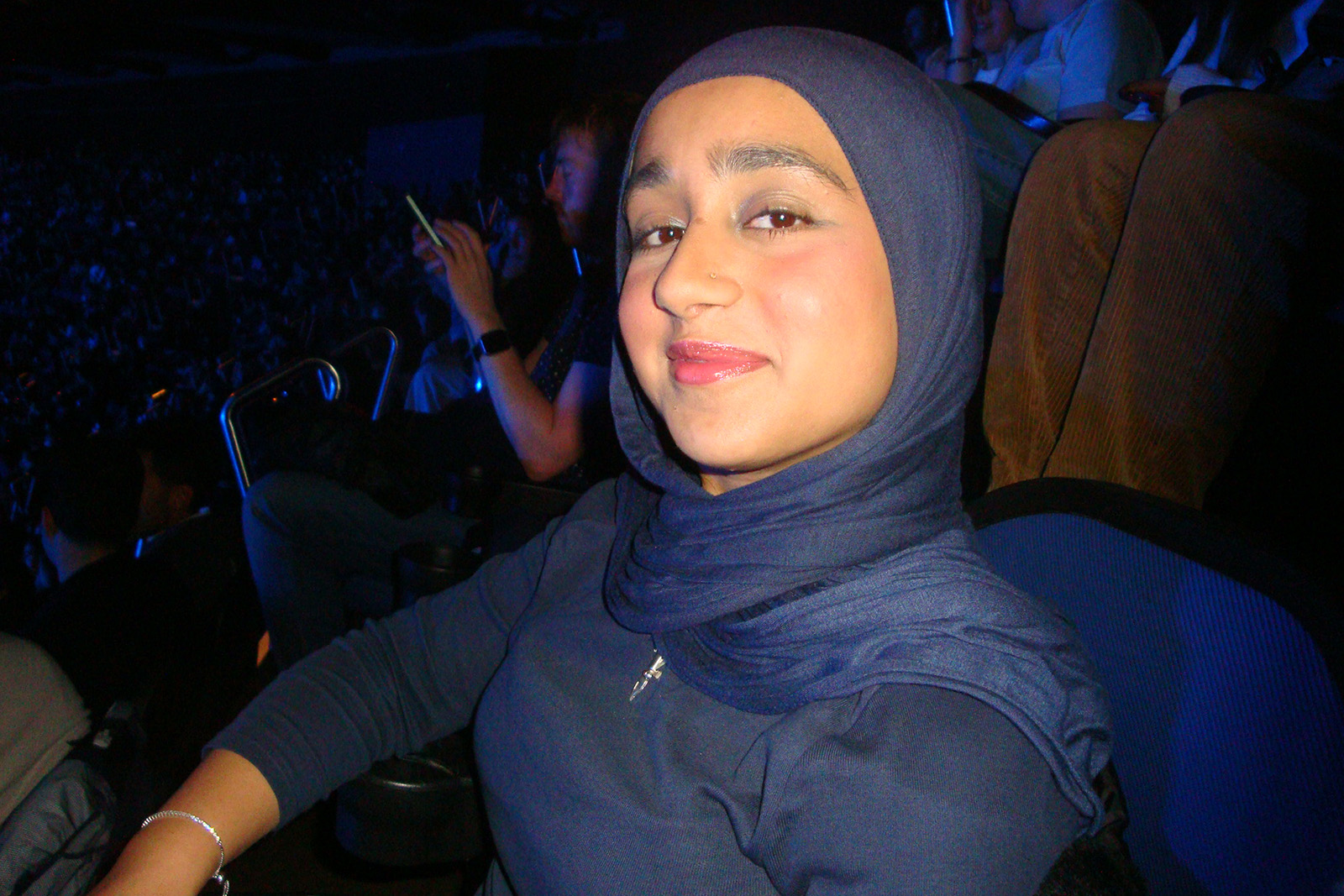
My story features in a study by Endometriosis UK and Cysters that found women from ethnic minority backgrounds wait an average 11 years for diagnosis
“Heavy periods are a part of growing up. The lining of your womb is thick — that’s all.”
This is what I was told after spending three nights in hospital due to extremely low haemoglobin levels. Aged 13, not even a year into having periods, I had no clue what this meant, or that the “thick” lining of my womb would lead to a lifelong diagnosis. But a required blood transfusion meant my symptoms were hard to ignore.
As a young Pakistani girl, I wasn’t supposed to talk about my problems, let alone anything to do with my menstruation. But how could I keep quiet when the pain that came with my periods was taking over my whole life?
Disbelieved, Dismissed, Delayed, a new report by the health equality campaign group Cysters and the charity Endometriosis UK — to which I contributed — found that those from ethnic minority groups wait on average 11 years for an endometriosis diagnosis. That is 20 months longer than the figure contained in a previous report whose respondents were 93% white. The report’s findings didn’t shock me; instead, they validated the numerous experiences I’ve endured on my own diagnosis journey.
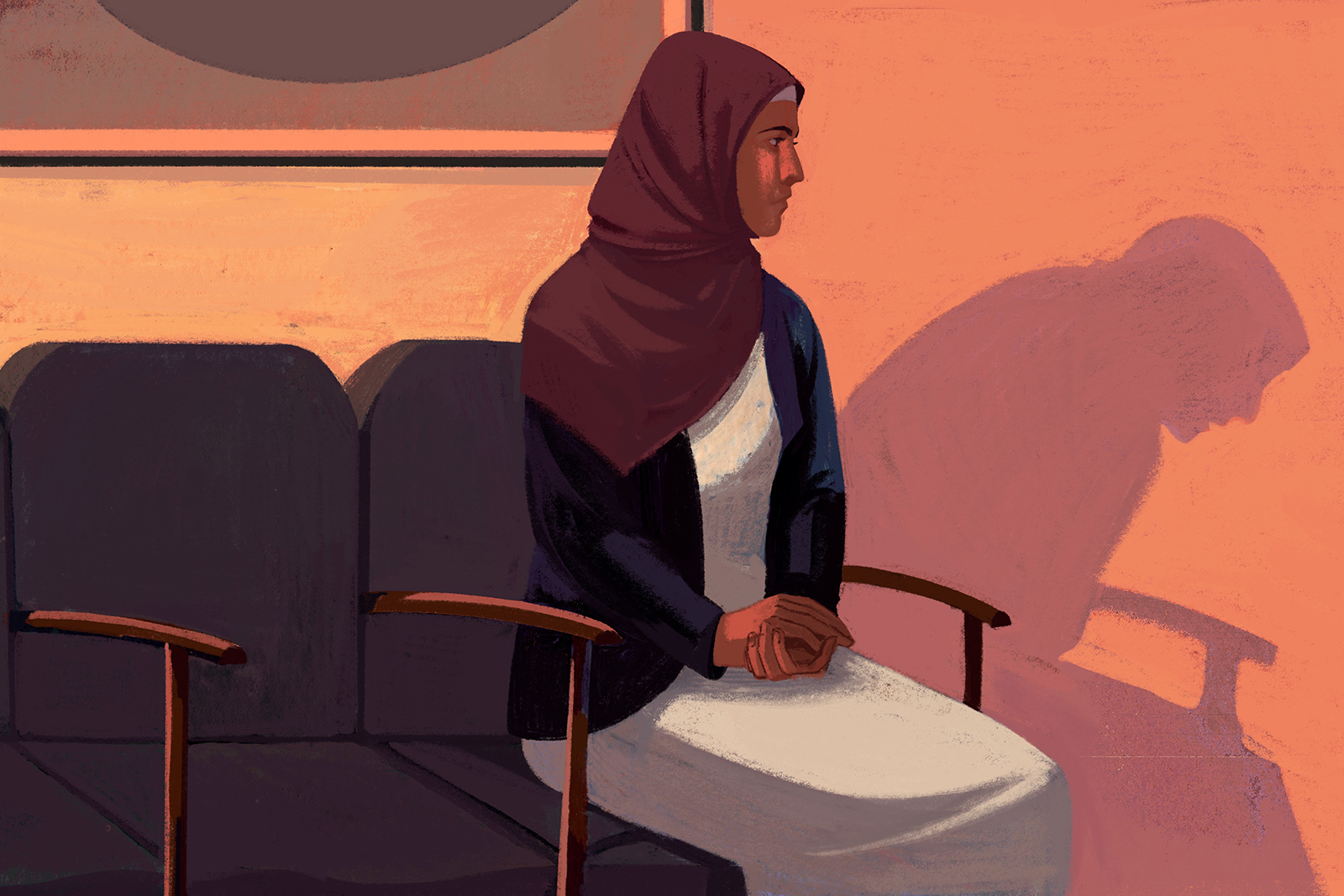
At a young age, or any age, the support received from those around you is crucial, especially from those labelled caregivers. After my hospital stay when I was 13, a doctor initially told me I would be given the birth control pill to help with symptoms. But then I was told that I was too young for the problem to be serious enough to need medicating, and that I’d simply be discharged. Decisions about what I was dealing with were made without my input.
I learned to get through the school day without a period leak and to take tranexamic acid for bleeding without having to see the school nurse or tell my mum about my daily heart palpitations. But when I began experiencing pain all month long, I was no longer able to hide how I felt. By year 11, it was affecting everything. I was swapping school for doctor’s appointments and begging for help, for ultrasounds or painkillers that could help me manage. I always felt I was back at square one, back to overexplaining as if I had done something wrong and was now dealing with the consequences.
My mum and I were dismissed together, me because I was young and my mum because she was wrongly seen as a “hypochondriac mother” talking on her daughter’s behalf. Often, we were dismissed by doctors who looked just like us, who told us to take part in more sports or that we needed to refresh our knowledge of the diet sheet we had learned about in primary school.
For a long time, I believed I was dismissed because of my age. But this report has made me understand that my diagnosis was not delayed for one reason alone. Instead, while my experience feels deeply personal, it is part of a much wider pattern that needs to be urgently addressed.
Cysters and Endometriosis UK have put into one document the experiences and feelings of so many suffering with endometriosis — feelings we may have been trying to hide or ignore or that we struggle to verbalise. This report reminds us of the constant dismissals we face. It reiterates that while we are often left to question our own pain, and to deal with it alone, there is now evidence to back up the fact it isn’t really “all in our head”.
It took a laparoscopy at the age of 17 after seeing eight gynaecologists — six of whom had dismissed the problem — for me to finally receive a diagnosis. By this point, I was desperate to label my pain as real. It was as if I was able to finally match a name to a face.
As a young woman looking for community, someone who could understand as well as a diagnosis, I was often left with nothing. Being interviewed for the report and then reading it allowed me to appreciate that my experience wasn’t unique, and that many of us share common experiences throughout our journeys with endometriosis. From dismissal to waiting times, this report allows us to understand what community really looks like. In reading it, I hope others will have similar realisations.
Sarah Harris, the lead researcher on the report, told me: “It is evident that, now more than ever, our communities are working tirelessly to fight for equality, but it shouldn’t be this hard.”
Looking back, there were moments where I had no words to describe my pain. But no longer will I accept dismissal or ignorance from those who are supposed to help me. Now is the time for something to really change. The statistics now publicly exist to justify the changes we’ve desperately needed for so long.