

Trump’s attacks on the UK have calmed Starmer’s opponents
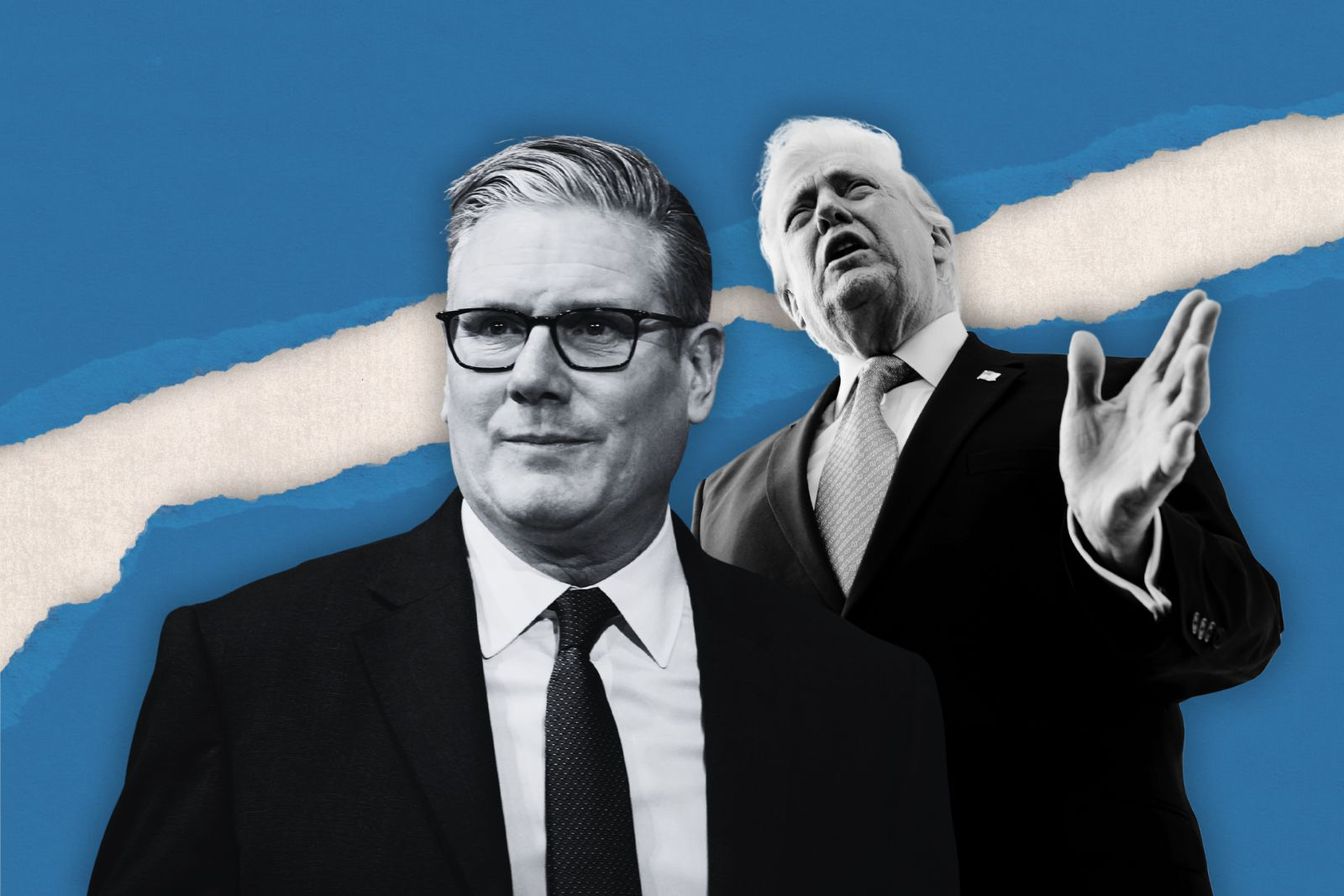
The crisis sparked by the US president telling Britain to ‘learn to fight for yourself’ appears to have solidified support for the PM

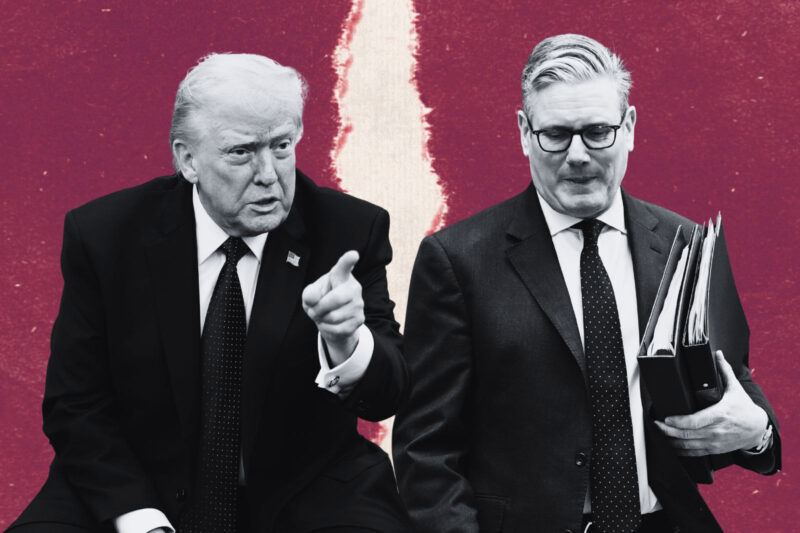
Donald Trump is the most unpredictable US president in modern history. In recent weeks, he has openly criticised and undermined the so-called “special relationship” between Britain and America, casting serious doubt on a cornerstone of the international order long regarded as sacrosanct by presidents and prime ministers alike.
His message to Britain and its Nato allies this week was not dressed up in diplomatic language. Writing on his Truth Social platform, Trump told countries struggling to secure energy supply — among them the UK, which he named directly — to either buy American or, in his words, “build up some delayed courage, go to the Strait, and just TAKE IT”. He went further still: “You’ll have to start learning how to fight for yourself, the USA won’t be there to help you anymore.”
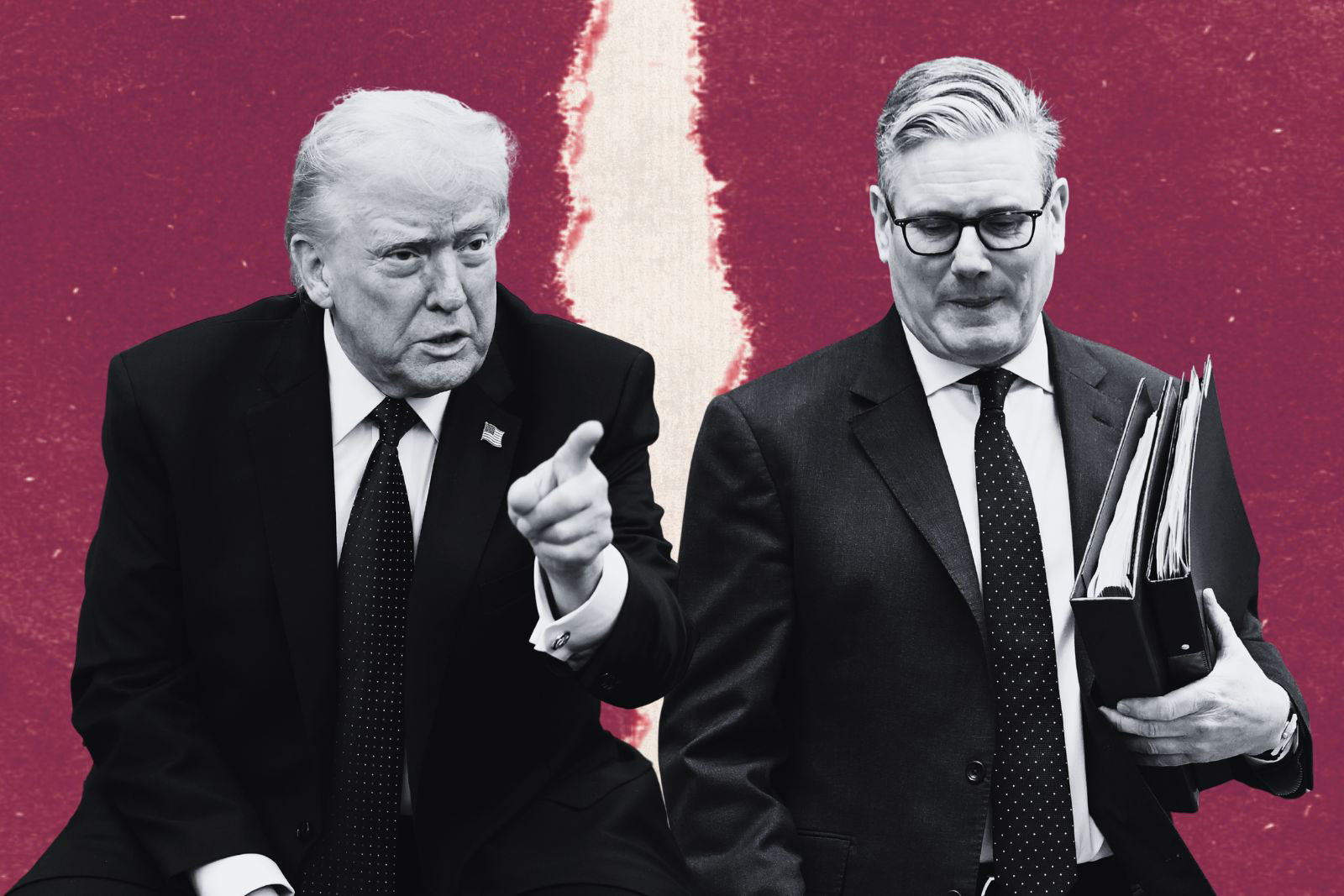
For Downing Street, the political implications are considerable. Ministers are reluctant to comment on Trump’s every social media post, but there are repeated questions being asked in Westminster regarding what the UK will do if American support cannot be replied upon. It appears that part of the answer is working more closely with Europe.
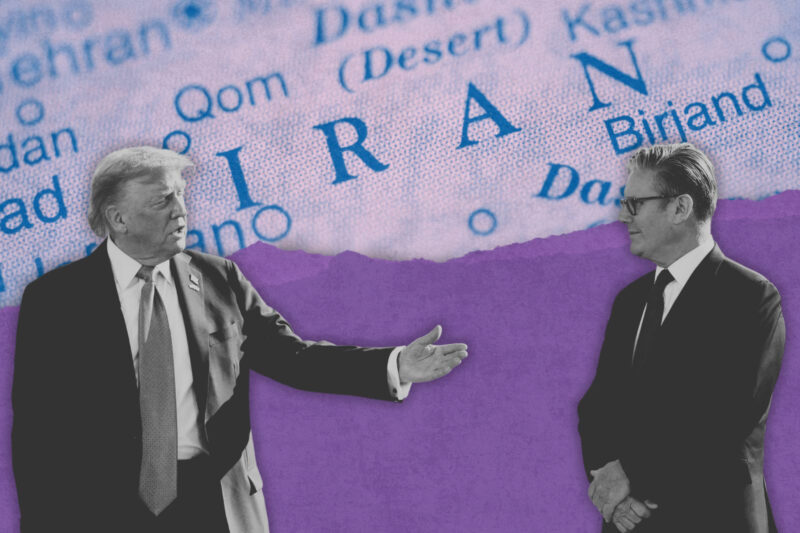
On Tuesday, Starmer spoke with European Commission president Ursula von der Leyen. A Number 10 spokesperson confirmed the two leaders had agreed on “their shared ambition to further strengthen the partnership between the UK and the European Union”. The language is extremely neutral, as these readouts always are, but the direction of travel is not ambiguous. There is a view in Whitehall that the Iran conflict has fundamentally altered the calculus of British foreign policy and that the old architecture of western security, with Washington at its centre, cannot be assumed to hold.
As I mentioned in my ITV News at 10 analysis, there are some — both politicians and analysts — who believe the present situation might be unique to the Trump presidency and that, once someone else occupies the White House, things may switch back to normal. Others, however, are questioning whether it is wise for Britain to rely so heavily on the US for its nuclear, military and intelligence strength regardless of who is in power on the other side of the Atlantic, given how easily that support can potentially be withdrawn.
For now, at least, the UK is trying to take a leading role in international diplomacy. The foreign secretary, Yvette Cooper, today hosted a virtual meeting of 35 countries to assess measures to reopen the Strait of Hormuz, the waterway through which roughly a fifth of the world’s oil and liquefied natural gas supplies ordinarily transit.
Another example is the UK-convened statement on freedom of navigation signed last month by 37 countries including France, Germany, Italy, Japan and the Netherlands — almost a roll call of the alliances that Starmer is quietly but determinedly reinforcing. The statement condemns the current situation and says that its signatories will offer “support” for safe passage through the Strait, without specifying what this means. The prime minister did, however, admit during a press conference on Wednesday that neither this conflict nor its consequences would be “easy” to resolve.
MPs from most major parties I have spoken to say they understand the difficult position that Starmer has found himself in, while one usually very critical Labour MP told me that the PM appearing to move closer to Europe was the right decision in light of how the conflict had been playing out.
This domestic politics dimension should not be overlooked. Not long ago, murmurs about Starmer’s leadership were growing difficult to ignore. Between backbench frustration, polling pressure and the relentless grind of a government that had lurched from one difficult news cycle to the next, there were those in the parliamentary party who were openly asking how long the prime minister had left.
Those voices have, for now at least, fallen silent.
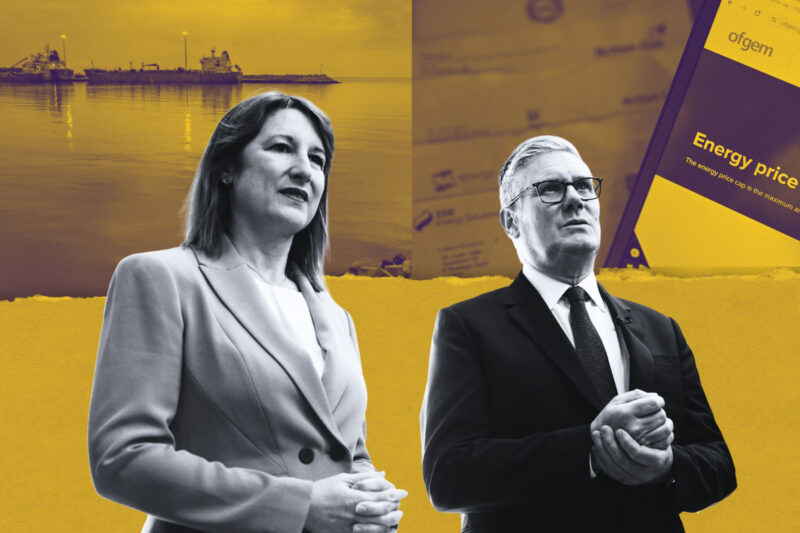
The Iran crisis and the fact there is no clear alternative figure in Westminster has given Starmer some breathing room. The sight of a senior British politician convening 35 nations, talking to the European Commission president and pushing back — albeit carefully — against Trump’s demands has not gone unnoticed among Labour MPs. Those who were previously questioning whether their leader had the grip and the authority the moment required have openly said to me they were impressed that the UK had not immediately joined offensive strikes on Iran when asked by Trump, and the prime minister insisting that “this is not our war” has won him some praise in Westminster.

Several backbenchers I spoke to in recent days were notably warmer about the prime minister than they had been even a fortnight ago. “He looks like he knows what he’s doing and sometimes that perception is all you need to reassure people,” one told me. That is not fulsome praise but, in politics, it counts for something.
The danger is that the situation deteriorates faster than diplomacy can move. The Strait remains effectively closed. Energy prices are climbing. The economic consequences for ordinary British households are only beginning to be felt — and those consequences will, in time, have their own political weight. The blame for the long-term consequences and pain felt by households up and down the country will ultimately be aimed at the government.
For now, though, the prime minister appears to have found — or perhaps been handed — a sense of purpose. Trump’s public withdrawal of American military backing, far from weakening Starmer, has given him both a cause to rally around and European partners willing to answer the phone. Will that be enough? Or will Starmer and the government ultimately find themselves with little option but to change position and draw closer to US foreign policy?
Shehab Khan is an award-winning presenter and political correspondent for ITV News.