

Why did my son tell me I should be the one to tidy his toys?
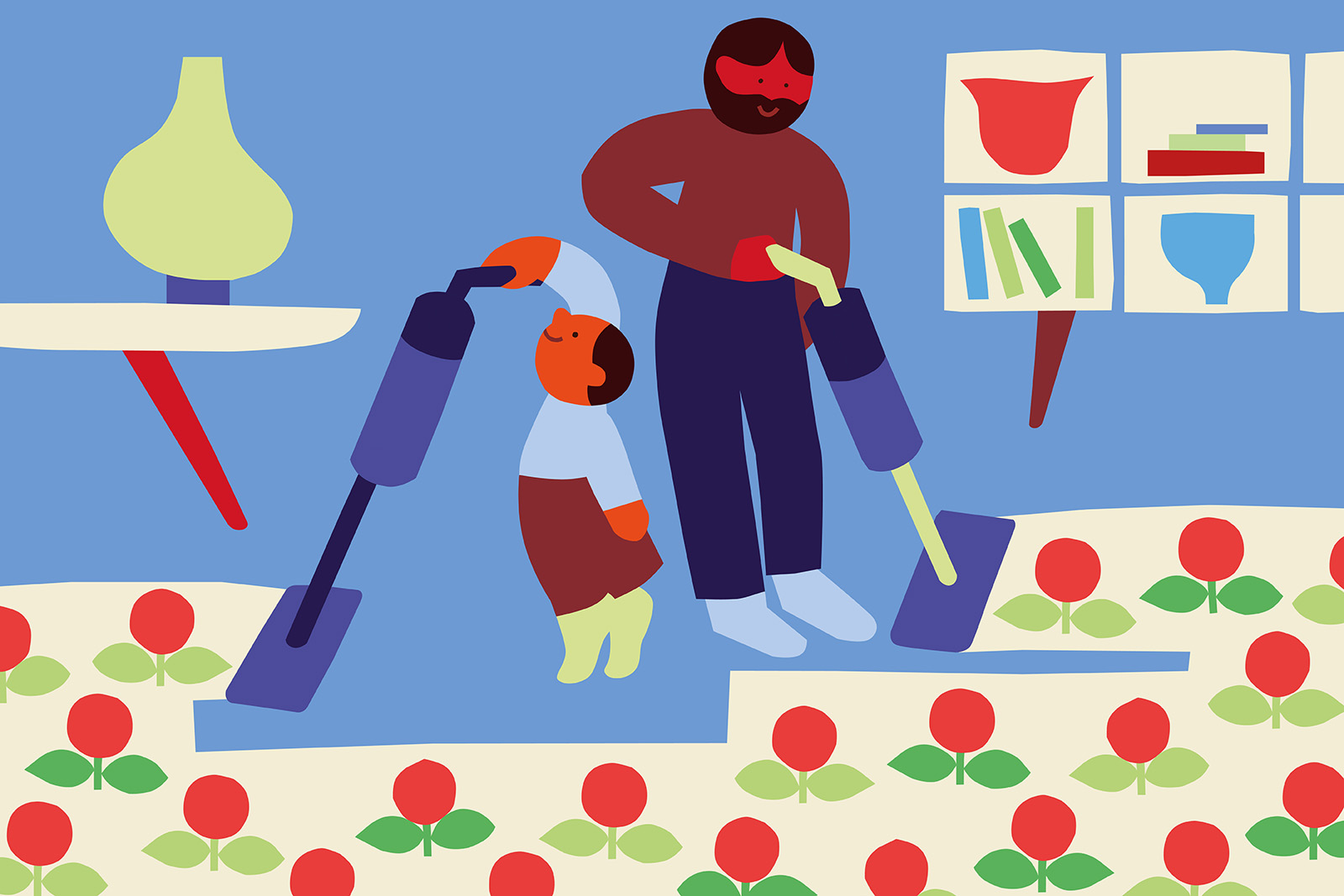
A comment my four-year-old picked up in the playground exposed the gender inequality that still remains when it comes to household chores

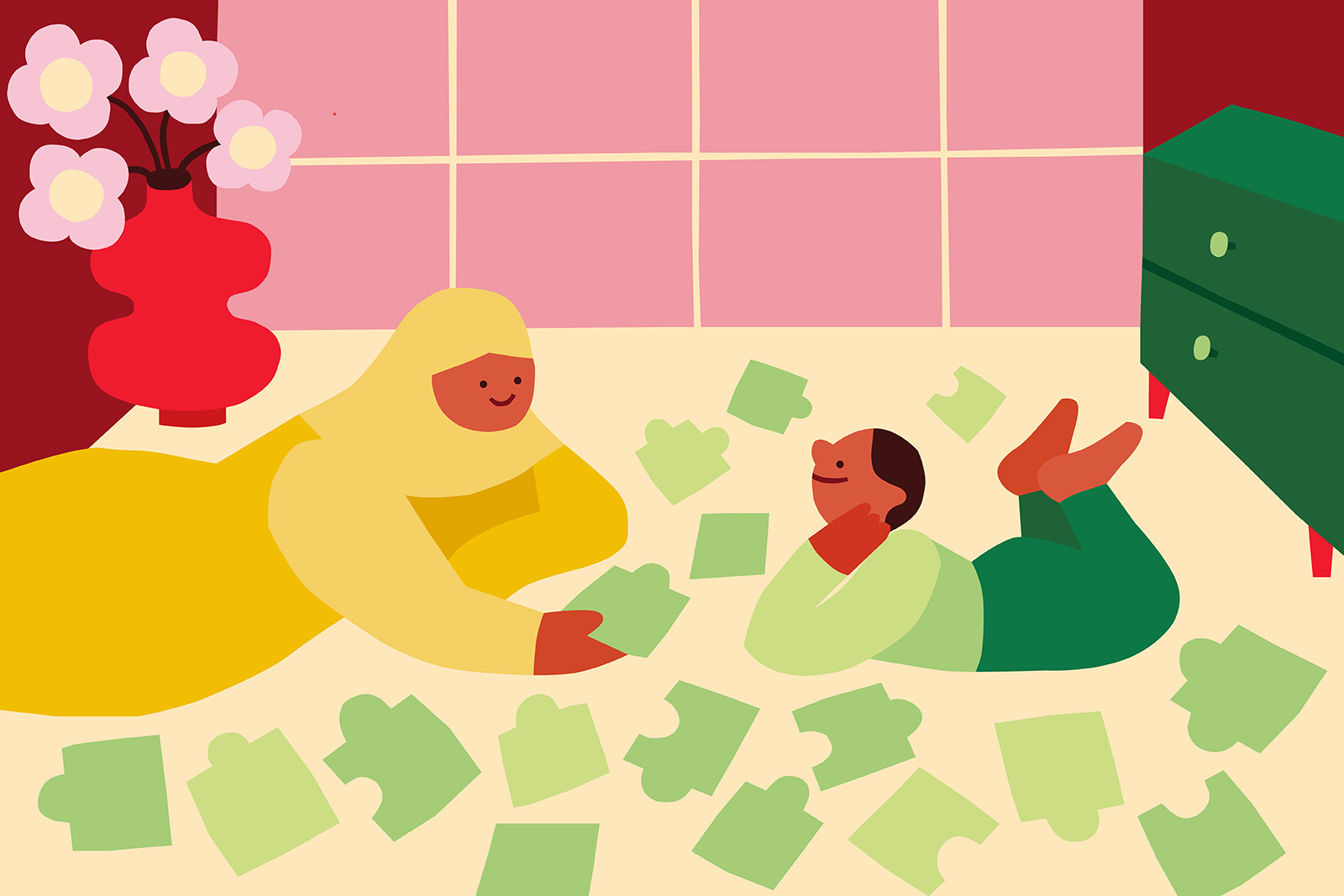
Lego, Marvel action figures and Spider-Man comics have transformed my bedroom into a health and safety hazard. One recent morning I tripped on one of my four-year-old’s toys and cut my toe. When I asked him to put his toys away he looked at me and said: “No Mama. You’re a girl so it’s your job.”
I didn’t know whether to laugh or cry. I told him there are no boy jobs or girl jobs, and that everyone in the family helps out with the chores.
“Nope. You’re my mummy so it’s your job,” he replied.
Related content
I had no idea where he picked up this archaic notion of gendered labour. It couldn’t have been at home where my husband does a larger share of the housework than I do, or from his grandfather who cooks his own meals and does the chores. And it wasn’t his favourite cartoon Omar & Hana, where the children are actively encouraged to help their parents.
He then told me he’d heard it from other boys at school.
When I first learned I was pregnant with a boy, there was one thing I was sure of — I would never replicate the unequal standards I had experienced growing up in a Gulf country when it came to expectations of sons and daughters.
During the week, my sister and I would help our mother set the table for dinner, then wash and dry the dishes. On weekends, we would clean the bathrooms, vacuum the rooms and assist our mother with the ironing, while our brothers went out with their mates.
My sister and I were given pocket money for helping mum with housework. My brothers also got pocket money, though I am not sure what for. When my brothers eventually married, their wives joked that they had to house-train them.
It was societal. When I lived in Qatar, male friends who had studied abroad laughed about how they could not iron a shirt or fry an egg when they moved away from the Gulf for university, having been so dependent on their mothers and housemaids.
Living on their own forced them to learn how to cook and clean, but when they moved home, I noticed how easily they slipped back into letting women do everything for them.
Of course, this is not confined to the Arab world.
When I moved back to the UK eight years ago, I was frustrated to see male in-laws who did not lift a finger at home, not even carry their plates to the kitchen after eating. It became a subject of contention between my husband and I. “Why is it that you’re different?” I once asked him. “I’m an anomaly,” he replied.
This allergy that some men in the Muslim community have to housework is not rooted in Islam. If anything, today’s Islamic scholars encourage parents to get their sons to help with chores.
This division of labour according to gender is rooted in capitalism and patriarchal structures, where women’s unpaid household work serves men economically. Though the gender housework gap has decreased over the decades, it remains a significant inequality issue around the world. In the UK, the ONS reported in 2023 that women do an average of three hours 37 minutes of unpaid labour each day — nearly an hour more than men.
My son’s comment has only strengthened my resolve that he will learn how to look after himself and a household. I’m introducing chores that are appropriate for his age, such as tidying away his books and toys; putting his dirty clothes in the laundry basket.
In a year, he should be able to make his own bed. By the age of 10, I expect him to help me set the table, clean his bedroom and dry the dishes. At 13, I hope he will be able to clean a bathroom, wash dishes, vacuum, iron his clothes and make a salad, the same age I was when I learned how to do these things.

I’m not solely making feminist choices, which some even claim is incompatible with Islam. It is about my son growing into a self-sufficient, independent and capable human being. It is also about teaching him that brothers and sisters are equals.
While this may be a new concept for our parents and the generations before them, I believe Gen Z and Millennial Muslim mums like myself are changing the narrative. There has been a recent online trend of South Asian and Muslim women teaching their young sons how to cook, do the housework and even make rotis.
Involving our sons in the housework is also about following the prophetic way — after all, the Prophet Muhammed, peace be upon him, is reported in several authentic hadiths to have helped with the household labour. Aishah, may Allah be pleased with her, said that he patched his own sandals, sewed his own clothes, milked the sheep and did his own chores. It is a sunnah that many men ignore and neglect. But in my household, it is a sunnah I plan to uphold.