

Riz Ahmed: ‘I act like no one is watching and write like no one is going to read it’
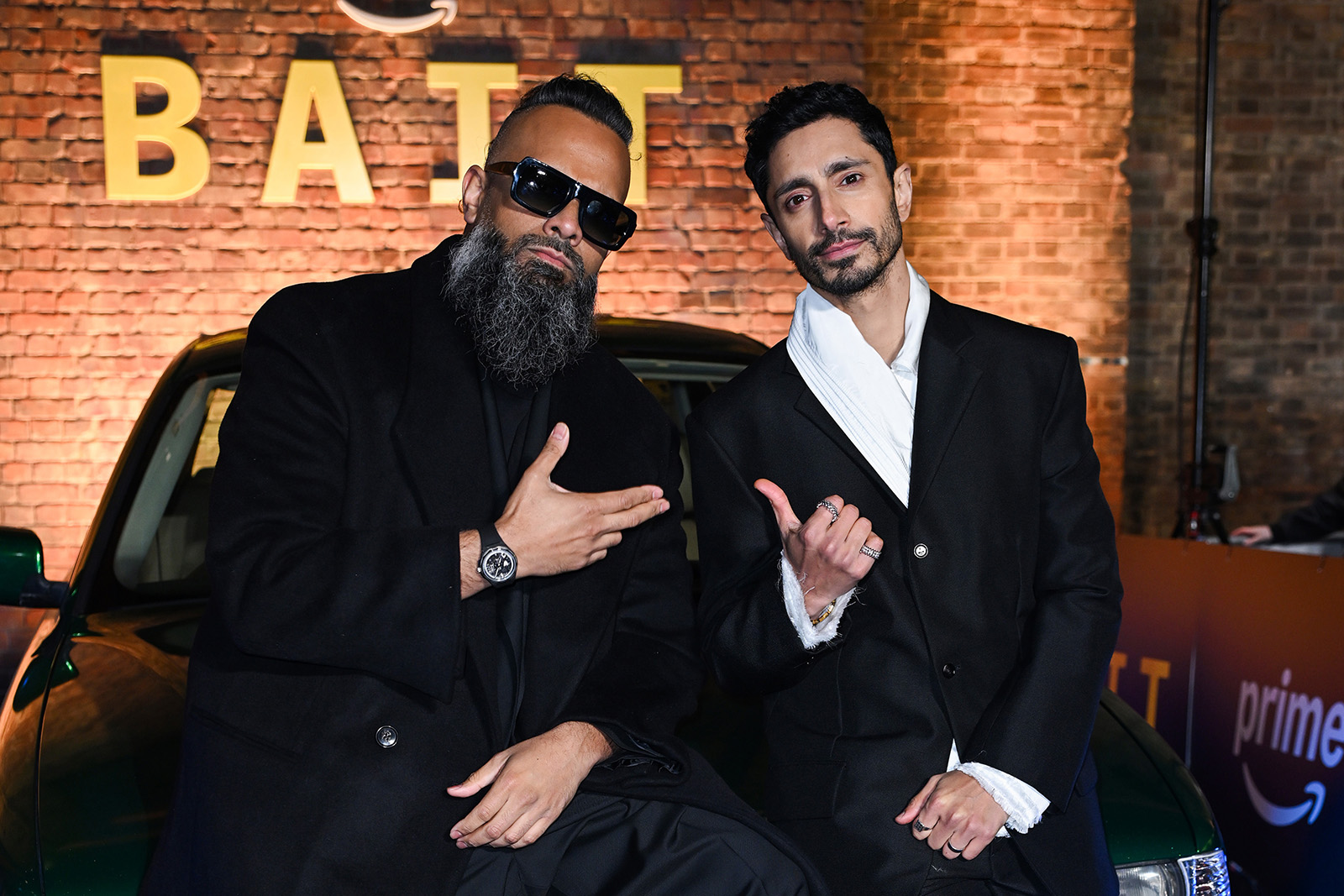
The Bait creator and his co-star Guz Khan don’t want to please everyone — and that’s the point of their new show about a British Muslim actor caught up in a Bond-casting buzz

The last time I spoke to Riz Ahmed was nearly a decade ago. Sitting across from him now, mid-debate about whether it’s too late to say “Eid Mubarak”, what stands out isn’t the scale of what’s changed, but what hasn’t.
Back then, Ahmed had already broken out in the dark comedy Four Lions and thriller Nightcrawler. He’d starred in a hit Star Wars movie (Rogue One), a superhero blockbuster (Venom) and had just wrapped on a project that would lead to him becoming the first Muslim nominated for a best actor Oscar (Sound of Metal).
Ahmed has since found such success as an award-winning actor, writer, producer and musician that he isn’t just unprecedented, he’s unreplicable.
But his new show Bait — which he stars in with the endlessly charming actor and comedian Guz Khan — doesn’t feel like the work of someone settling into success. It feels like someone actively resisting it, or at least interrogating what that success is supposed to mean. Given the opportunity to make a semi-autobiographical show, Ahmed skewers not just his industry, but himself.
Ahmed jokes that in early drafts he was a “super sexy genius” akin to Matt Damon in Good Will Hunting, but, he says, “no one would believe it”.
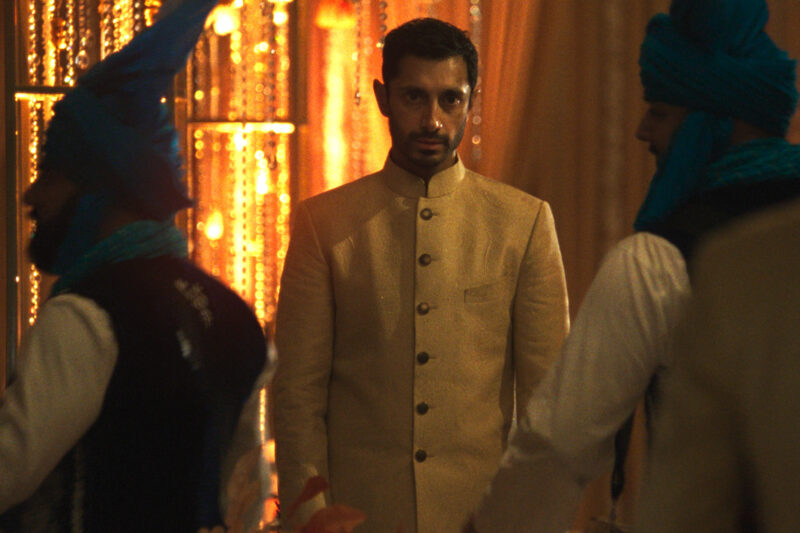
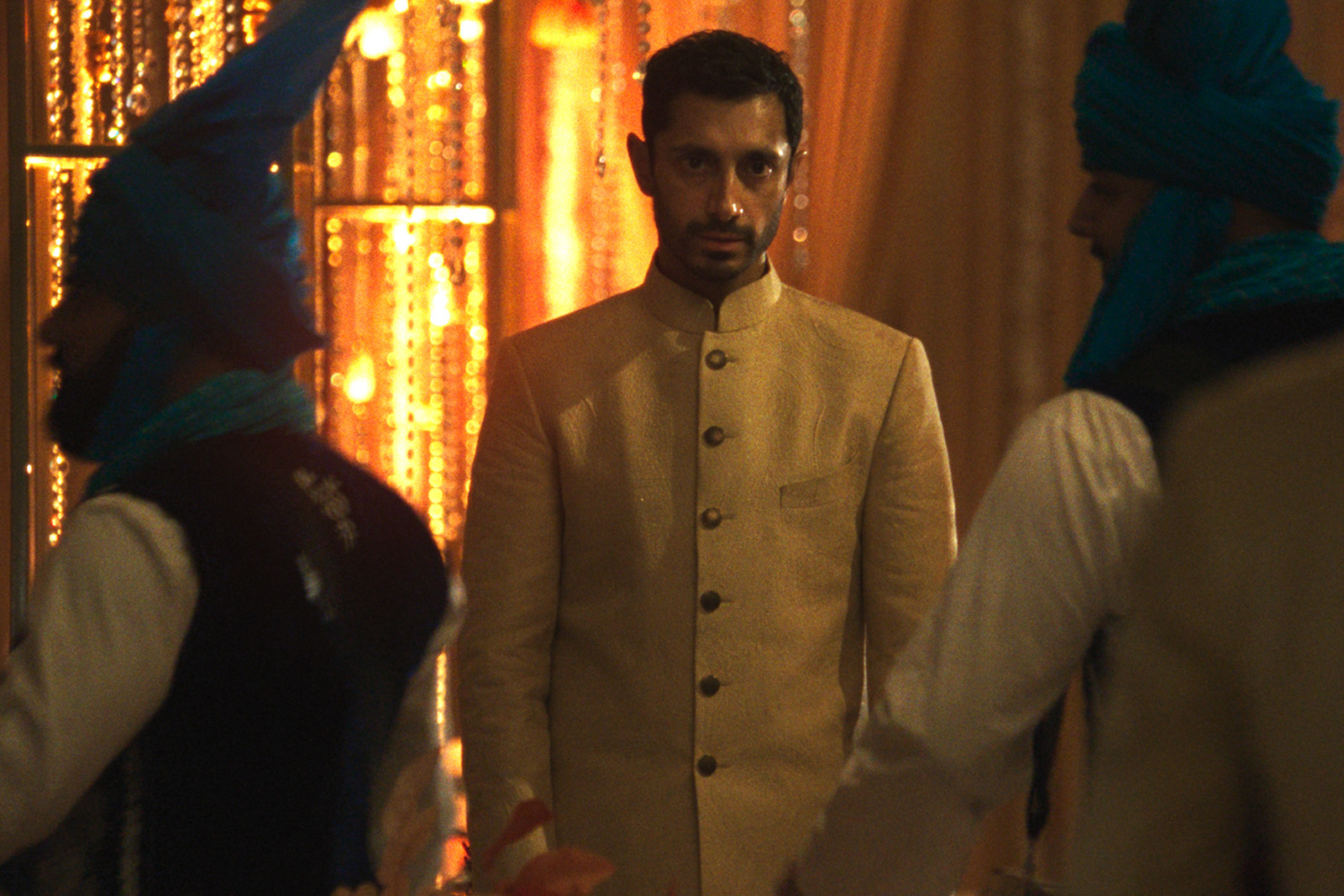
On paper, the premise of Bait sounds simple enough: Ahmed plays Shah Latif, a British Muslim actor spiralling while on the brink of becoming the new James Bond. Latif messes up his first audition but is spotted by the press and the internet buzz around his potential casting goes wild.
In practice, the story is strange and often surreal: a semi-autobiographical tale of ego, identity and the creeping fear of becoming “bait” while losing all grip on reality. The show could easily collapse under its own self-awareness, but instead, Bait leans into that discomfort while being jam-packed with jokes on everything from Eid to celebrity podcasting.

“This is a real Riz Ahmed show,” Khan, who is truly brilliant as Latif’s entrepreneurial cousin Zulfi, tells me.
“I love the idea of us being able to do whatever we want,” Ahmed adds. “It’s a comedy, but it’s also got a love story, a spy thriller element, something psychological. If we’re not restricted by categories or types, what’s the full range of emotions we can play with?”
Ahmed is not interested in characters that behave themselves. “And that’s what Bait is trying to do. Stretch our legs. Be messy.”
Messiness isn’t a flaw — it’s the point. Latif is frequently unbearable, insecure, self-obsessed, caught in loops of overthinking, which feel less like satire and more like televised therapy. The series works because it doesn’t sand those edges down.
Indeed, the show deals with the “dangers of trying to please everyone”, Ahmed says. “Trying to be accessible to everyone. You can end up chasing your own tail.”
The idea that representation has to be broad to be meaningful is a familiar trap, especially for British Muslims in showbusiness. Ahmed is arguing for the opposite — that honesty comes from narrowing the frame, not widening it. What that looks like in practice is a commitment to specificity as a kind of creative freedom. In Bait, there are jokes on both recruitment from MI5 and Isis that equally ring true.
Ahmed isn’t worried about jokes like these not landing beyond a British Muslim audience. “I just think the more specific you are with your humour, the more honest it feels, the more authentic it feels. When I watch Atlanta, that’s not my world, but I connect to it because it feels so specific,” Ahmed says. “When I watch Fleabag — that very particular British, white, middle-class thing — again, it’s not my world, but it just feels so truthful because the characters are so specific.”

In the same vein, Bait leans into its references. “If you can’t laugh at yourself, what’s the point?” Khan adds. “I do also like that as Brits, self-deprecating humour is a very, very important trait. And I feel like when you’re looking at who we are and how we often are asked to portray, represent, to be respectable faces of our community. But if you can’t have a laugh at yourself, what’s the point?”
Ahmed praises Khan’s impeccable comic timing and then floats the idea of becoming a comedian alongside him. “I think I’ve been underutilised as a stand-up,” Ahmed says, half-serious. “I’m ready. I’m gonna leave it all behind.”
But turning to Khan, he adds: “Every time I think, ‘man, I told a funny joke in a Q and A, I can be a standup’, I see Guz and I know what a gift it is to really be a comedian at that level. He’s one of the most gifted comedic performers in the world.
“And if anything, I have to distance myself from him because being too close to him makes me realise how untalented I am — comedically. But yeah, still going to become a stand up.”
Related content
Khan doesn’t hesitate to start teasing and discouraging his co-star’s dreams. “End of the day,” Khan says, “Oscar winner, Emmy winner… sometimes a brother’s just doing too much. I’m trying to protect him.”
Ahmed laughs, calls Khan a “toxic friend” and pushes back, insisting he’d happily take a slot doing a set in a Birmingham pub if it came to it. Their easy banter that is so evident on screen translates into real life and seems to work because it’s rooted in something real. “It’s about letting go of trying to please everyone,” Ahmed says. “Just being honest to yourself.”
The show leans into contradiction, into mess and in doing so, it lands somewhere fascinating. Ahmed remains an artist who doesn’t make himself small to make himself palatable. As he puts it: “I act and I dance like no one is watching and write like no one is going to read it.”
Bait is available to stream on Amazon Prime Video.