

8 of the best non-alcoholic beers for 2026
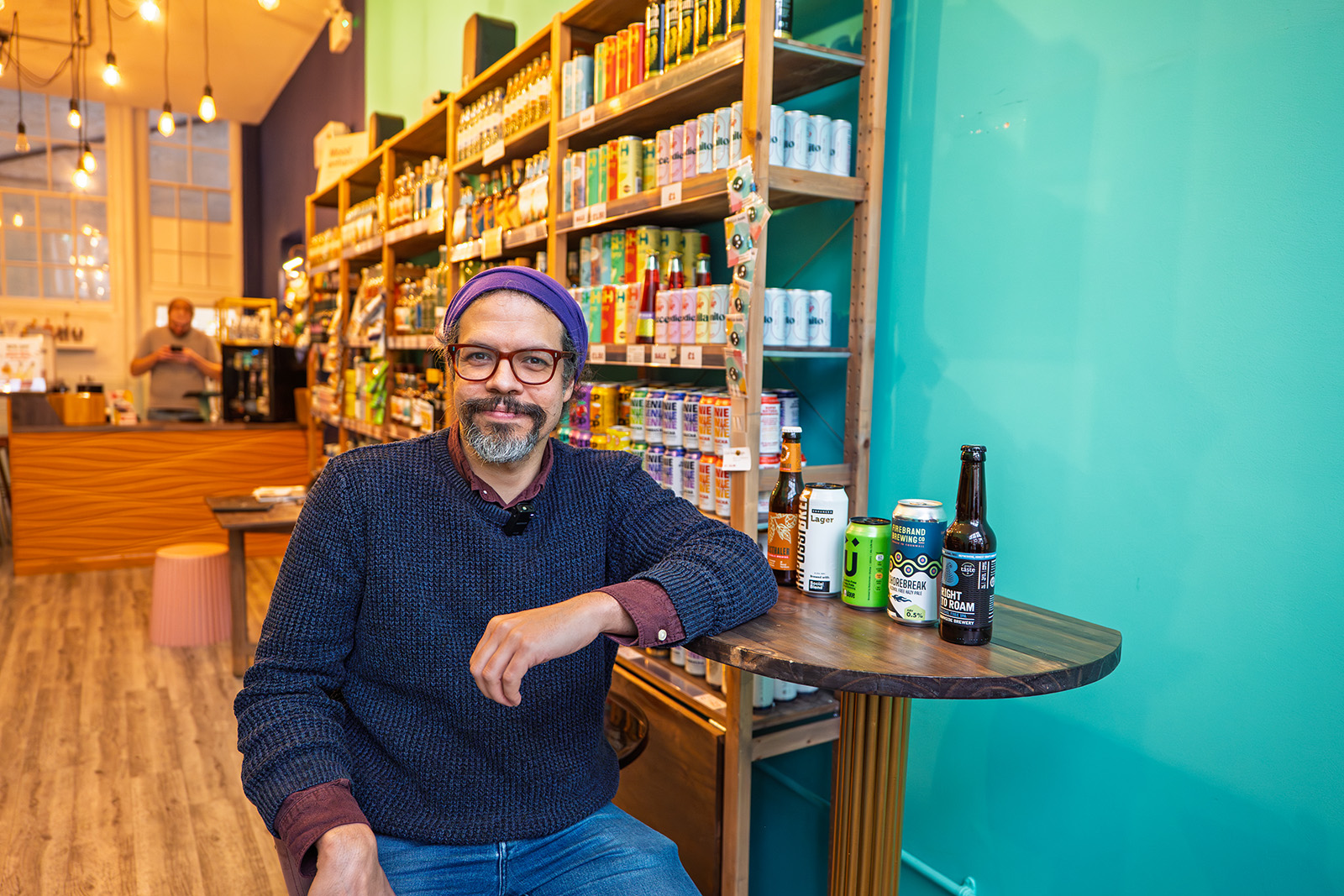
Do the new generation of booze-free beers have the calibre to refresh our tastebuds? We tried out a few

More than four millennia ago in what is now southern Iraq, the ancient Sumerians inscribed the first recipe for beer, fermenting bread along with aromatics and yeast to create the alcoholic drink. It would have been a way to efficiently use leftover bread and make a beverage relatively safe to drink, as the brewing process would have killed off any bacteria in the water.
Beer has since, for some, become the cause of and the solution to all of life’s problems — to paraphrase Homer Simpson.
But nowadays, at least, there are myriad non-alcoholic options. Low-alcohol or 0% beer sales grew 20% from 2023 to 2024. Even celebrities are getting in on the movement, with actor Tom Holland founding the booze-free brewer Bero.
Related content
Domestic producers are not only looking at sober customers concerned by the health impacts of alcohol, but also to Muslims, with many seeking halal certification for their drinks. Drinks companies are competing internationally with brewers now popping up in Dubai and across the UAE.
Intoxicants (or khamr in Arabic) are haram and have been banned or restricted throughout Islamic history, although there are scholarly debates on this issue. Almost all non-alcoholic beers contain very small amounts of alcohol (up to 0.5%), similar to the naturally occurring levels of alcohol in many soft drinks, vinegars and even fruits.
There is no consensus among Islamic scholars regarding the permissibility of non-alcoholic beer, with some focusing on the fact that it is not intoxicating, while others deem any alcohol or imitation alcohol to be forbidden. Others may choose to not drink anything that was once alcoholic and has had the alcohol removed, such as Heineken 0.0.
Hyphen visited non-alcoholic beverage shop Club Soda in London, and tested out some of the available non-alcoholic beers. Co-founder Laura Willoughby told us: “Over the years we’ve served many Muslim customers, and one thing is clear, there isn’t a single approach. Individuals and businesses interpret what works for them in different ways.”
The pub classics
Guinness 0.0
It’s credited with tasting similar to its alcoholic counterpart, and it certainly retains much of the creamy texture. It’s apparently because they use the same ingredients as original Guinness — water, barley, hops and yeast — before removing the alcohol through a cold filtration process.
Heineken 0.0
Pretty ubiquitous in pubs and looks just like a standard pint of lager. I have to say, I find it too dry and my mouth feels like sandpaper after more than one bottle.
Lucky Saint 0.5%
Lucky Saint is a dedicated alcohol-free brand and their 0.5% lager is available in many pubs on tap and sold nearly everywhere in a bottle. Again, I find this way too dry and, counter-intuitively, it gives me a headache — but maybe I’m just getting old and need to drink more water.
Found in shops or online
NuWave, Hazy Pale Ale 0.5%
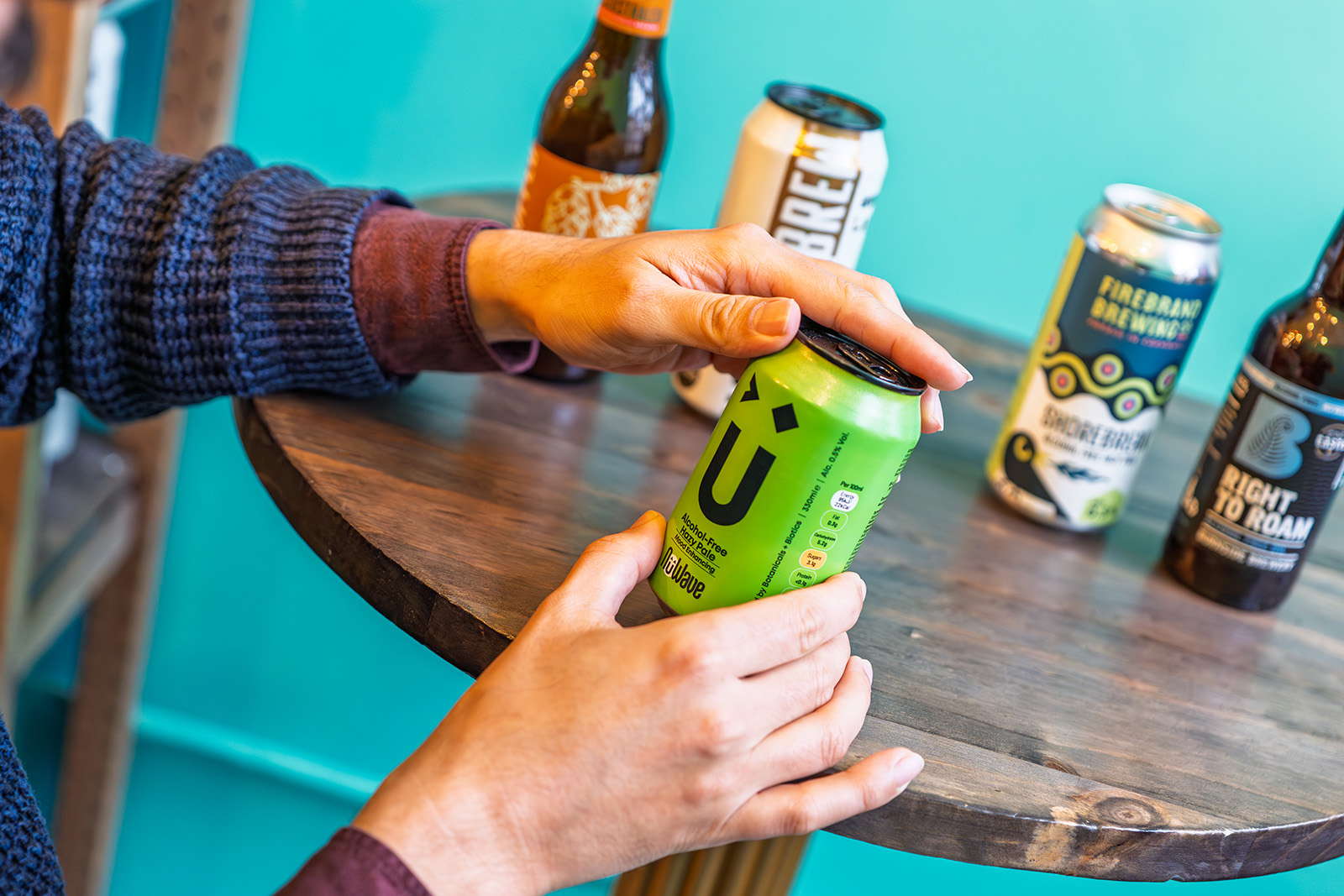
I found this to have a fruity flavour, but the aftertaste seemed a bit tangy. That could be the added prebiotic, so my gut health might get some extra benefits. The NuWave brand is all non-alcoholic and they produce a lager too, adding “mood-enhancing” botanicals.
Impossibrew, lager 0.5%
I found this to be clean, light and clear in taste, which would go well with any meal. Impossibrew claims that it is the first “nootropic” lager, meaning it contains chemicals to improve cognitive function (basically, the opposite of alcoholic beer).
Writing this a few hours after the taste test, I do have to admit that I feel focused, but that could be my looming deadline or the lo-fi music I’m listening to. Comes in at a svelte 26 calories for a 440ml can, too.
Shorebreak, Hazy Pale Ale 0.5%
A vegan and gluten-free option from Cornish brewer Firebrand. This has a strong fruity flavour and the vibe of something you would drink round a table with friends of an evening with some board games.
Right to Roam, IPA 0.5%
Brewed by Burnside in Aberdeenshire, Scotland, using a special yeast to make it non-alcoholic. This bottled beer has a chocolatey taste that would go well with some dessert, maybe some type of fruit crumble. Something to treat yourself with.
Clausthaler, lager 0.5%
This has a stronger, heavier and richer taste that reminded me of Kaliber, the beer first produced by Guinness in 1986 and which dominated the non-alcoholic beer market into the early 2000s. Clausthaler has been produced in Germany since the 1970s and holds a strong position in the domestic market. Maybe nurse one bottle, but after that I worry for the gut health I only just recently improved.