

Lack of detail on energy bills bailout has left government vulnerable
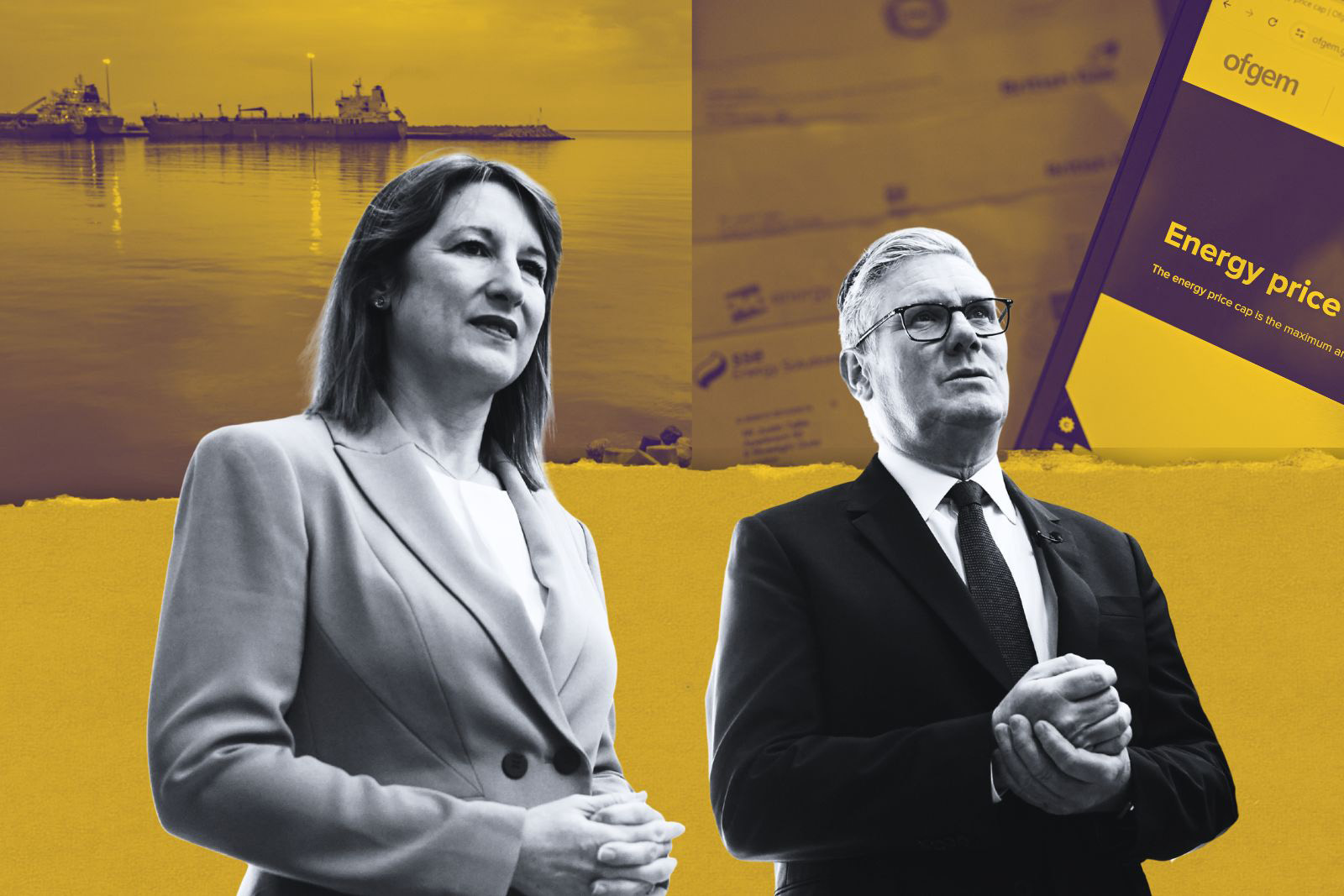
With Keir Starmer under pressure to expand fossil fuel production, some Labour MPs are stressed about a possible cliff edge for prices in July

This was not a conflict of the government’s choosing. But it is the prime minister and Rachel Reeves who will bear the responsibility of the consequences that normal people will face around the country because of the conflict in the Middle East.
The Iran conflict has delivered the kind of economic shock that tests governments. The Strait of Hormuz — through which a fifth of the world’s oil passes — remains closed. Oil prices are surging. Energy market experts at Cornwall Insight are already forecasting a 10% jump in household energy bills from July. The forecast of interest rate cuts has been changed to interest rate rises and a Labour government elected on the promise of easing the cost of living is watching that promise strain under conditions it neither anticipated nor can entirely control.
The response so far has seen the government announce £52.4m to support the roughly 1.5 million households that rely on heating oil — the off-grid communities, including a majority of homes in Northern Ireland, whose bills have doubled since hostilities broke out and who fall entirely outside Ofgem’s price cap protections. The Competition and Markets Authority has been tasked with ensuring fuel suppliers cannot engage in price gouging. The energy price cap itself has been frozen until June, buying a little time, and ministers have repeatedly told me that the government stands ready to provide “whatever support is needed” without actually defining what that means.
It is, in the language of government, a “measured response”. The problem is that measured responses and political crises do not always keep company for long.
Reeves has been explicit about what she will not do. The chancellor has made it clear that the prospect of a repeat of the blanket energy bailout deployed after Russia’s invasion of Ukraine — a package that cost nearly £40 billion over six months — will not come. The message from the Treasury is clear: there will be targeted support for those who need it most, not a universal intervention that strains already stretched public finances.
We are still, however, no wiser about where the line will be drawn, who will get the support or what exactly that support will look like. When I have asked cabinet ministers they have said things like “contingency plans are being drawn up for every scenario”, which offers no detail.
A grouping of about 120 Labour parliamentarians with rural or semi-rural constituencies, known informally as the Rural PLP, began lobbying No 10, the Treasury and the whips aggressively as soon as the crisis deepened, pressing for exactly the kind of heating oil support that was ultimately announced. Their success was a sign that the government is willing to respond to internal pressure.
Then there is the harder question: what happens in July, when the price cap expires — and wholesale gas prices that are already elevated by conflict potentially deliver a body blow to household budgets? That is the question neither No 10 nor the Treasury has yet answered with any specificity.
Into this space has stepped Ed Miliband. The energy secretary has firmly and repeatedly rejected calls to issue new North Sea drilling licences, insisting that expanding domestic oil and gas production would not “take a penny off people’s bills” and arguing that the conflict in Iran actually strengthens the case for accelerating Britain’s transition to cleaner energy sources than fossil fuels. “Every solar panel we install, every wind turbine we put up and every nuclear power station we build makes us more secure as a country,” he told the Commons.
But his words have been met with polite scepticism by some of his colleagues, who view them as inadequate to the scale of the immediate crisis. “It doesn’t take a penny off bills now,” one Labour backbencher told me. “That’s the problem.” Others are desperate for certainty. “We all remember what happened during the Ukraine war,” another told me. “Everyone saw prices go up in their supermarkets. If it happens again, people will struggle.”
Outside parliament, the pressure on Miliband has been extraordinary. Unite, one of Labour’s most powerful union backers, has called blocking North Sea production “an act of monumental political self-harm”. Even the chief executive of RenewableUK, a trade association that represents hundreds of companies in the renewable energy sector, urged Miliband to support more domestic oil and gas production, arguing the UK would be “stronger, safer and less exposed” if it maximised every domestic source. (It is worth noting that RenewableUK’s chief executive Tara Singh previously worked at Shell, and that its members and sponsors include energy companies that sell both fossil fuels and clean energy such as Equinor and EDF.)
In the long term, the government believes it has a coherent argument that investment in domestic renewable energy will insulate the UK against future crises. The problem is that the details of its shorter-term plans have not yet been spelled out properly. The price cap holds until June. After that, the shape of Labour’s economic response to this crisis will need to be far more clearly defined. Reeves had said she “found the money” for heating oil support — the question is how much more she can find if this conflict drags on, and what exactly the government can do to help households all over the country who are likely to be burdened with the consequences.
Shehab Khan is an award-winning presenter and political correspondent for ITV News.