

Muslim families say Islamophobia is shaping Austria’s schools
As Austria prepares to introduce a headscarf ban for girls under 14, rights groups warn anti-Muslim rhetoric is fuelling discrimination in classrooms

Two years ago, when Tasneem Hafar turned 16, she decided to start wearing the hijab. Her family and friends were all supportive of her choice. However, when she wore her headscarf to school in Vienna, Austria, where she lives, not everyone was so accepting. As she walked down the corridor one day, she recalls passing a teacher who hissed: “Go back to Afghanistan!”
It was the start of a long ordeal for Tasneem’s family — one that rights groups warn is all too familiar to Muslim schoolchildren in Austria. According to the anti-racism monitoring group Dokustelle, around one third of the offline Islamophobia incidents reported to them in 2024 took place in the education sector.
Related content
These statistics show children are particularly vulnerable to Austria’s high levels of Islamophobic discrimination. In 2024, the EU’s Agency for Fundamental Rights found 71% of Muslims living in Austria had experienced racism in recent months, compared with 47% across the EU. Anti-racism organisations warn that new laws disproportionately affecting Muslims — such as legislation banning headscarfs in schools for girls aged up to 14 set to come into place this September — will make a bad situation even worse.
“Every time these political discussions happen, there is an increase in hateful comments and threats against Muslims,” said Dunia Khalil, Dokustelle’s head of legal advice. The organisation warns that racism in schools leads to long-term physical and psychological consequences for children, such as exhaustion, anxiety and internalised Islamophobia “where they are scared to present as Muslim in public”.
Khalil said complaints involving tensions between Muslim families and schools over religious expression were among the most common cases reported to the organisation.
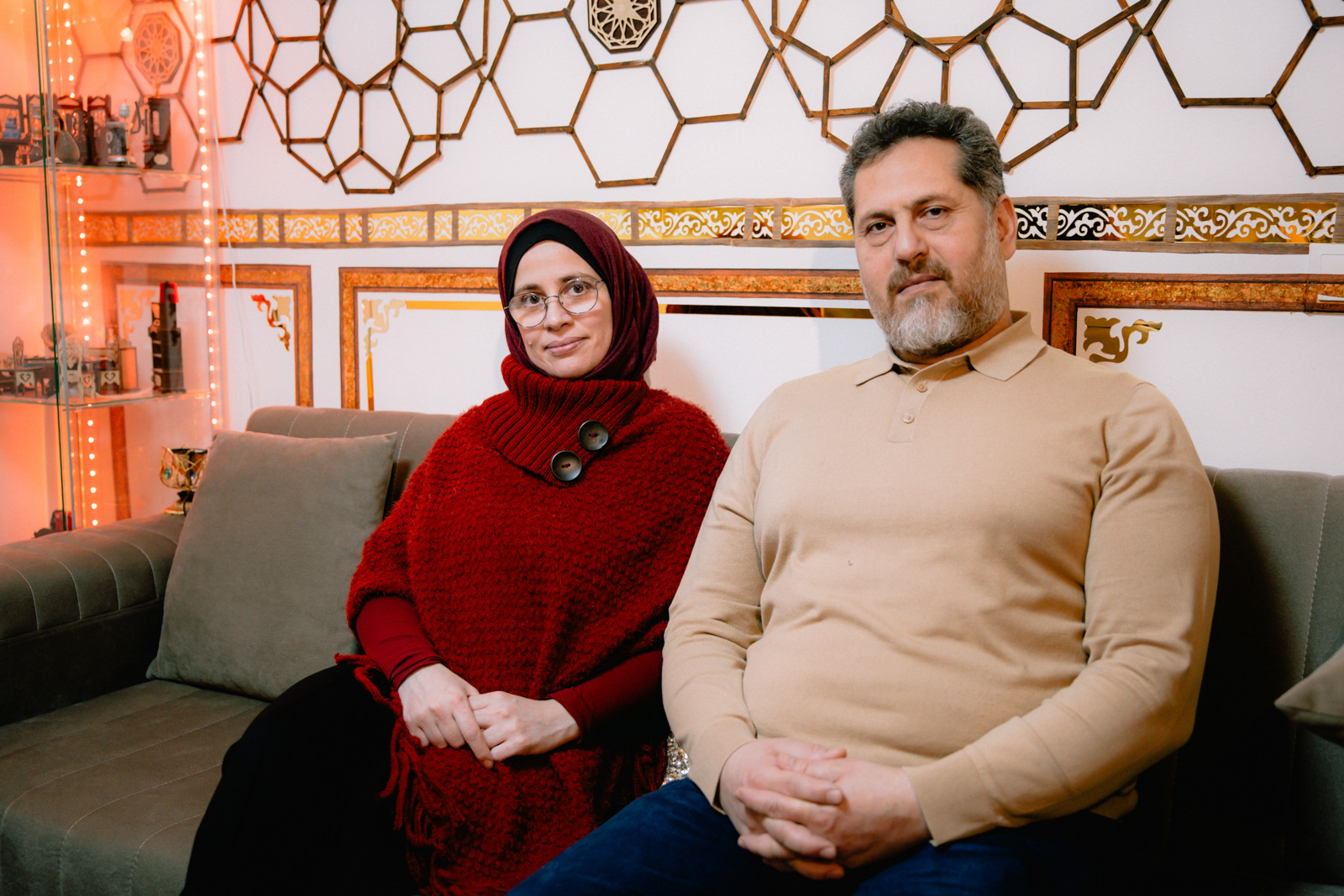
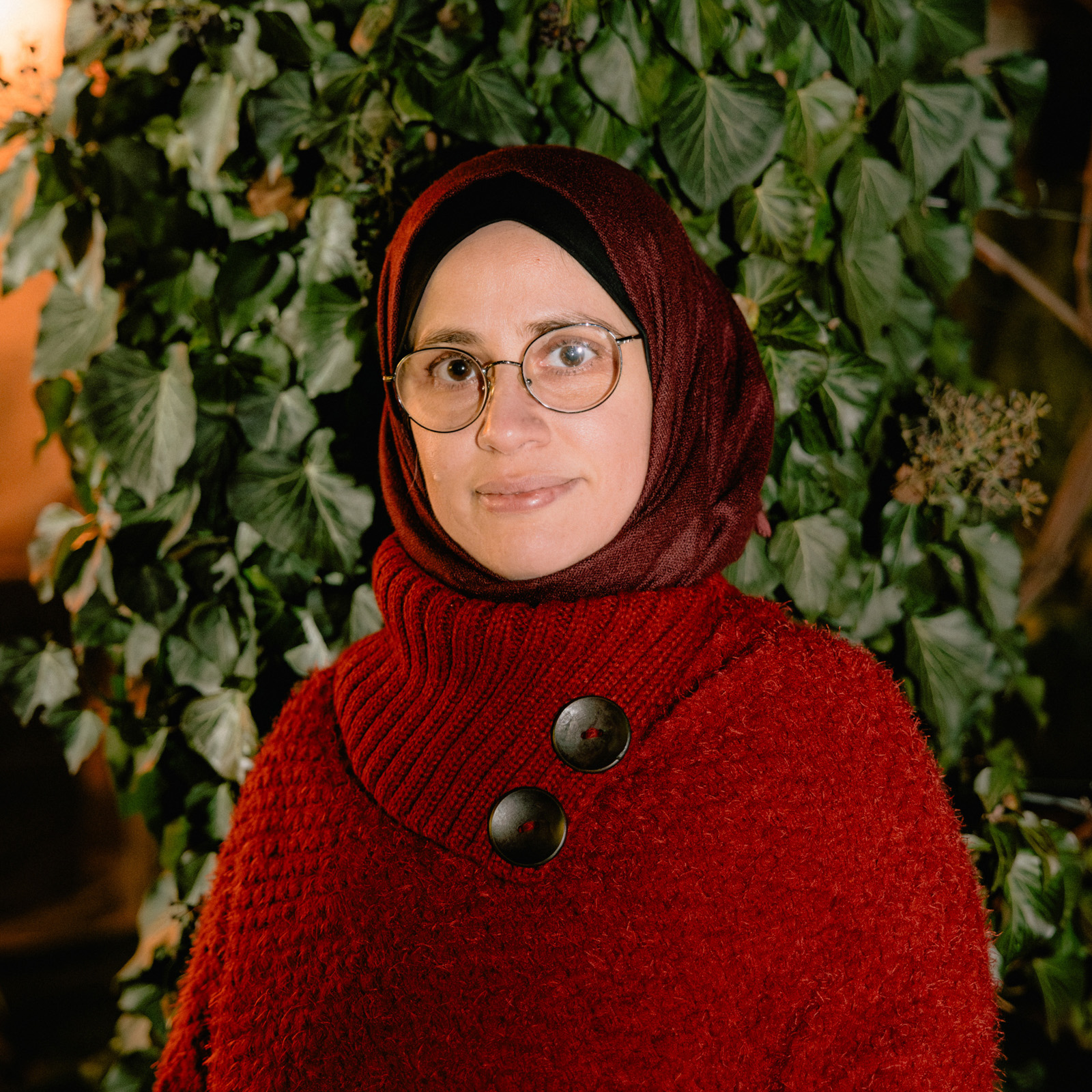
Tasneem’s mother, Hadil Hafar, explains she and her husband moved with their three children — now 18, 15 and five — from Syria to Austria in 2016. The family first settled in the western state of Vorarlberg but found the area hostile to foreigners, often receiving stares and comments. So in 2021 they relocated to the capital Vienna, hoping for a more multicultural environment. Everything was going well and the children were getting top grades, until her daughter decided to wear the hijab.
The teacher who Tasneem says made the comment also happened to be her brother’s class teacher. Hyphen is not naming him because he is a minor. When the teacher realised the two were siblings, the family says, her attitude towards him changed and the teacher began reprimanding him regularly. The then 13-year-old’s grades dropped. During Ramadan, the family say things escalated. They say the teacher forced him to run extra laps when he was weak from fasting and would send him to the canteen at lunch. After Eid, when he was no longer fasting, they say she held him back in class at lunchtime, preventing him from buying food.
“We interpreted this as a punishment for observing Ramadan,” Hadil explained.
Without the family knowing, their son started skipping school to avoid his teacher. The family say social workers later helped mediate discussions between them and the school.
The school said its response involved the family alongside the school social work team, youth welfare officials and teaching staff, though it disputes the family’s account of discrimination.
Khalil said the family’s allegations reflect patterns Dokustelle regularly sees in complaints from Muslim parents. “We’ve received lots of reports of students being treated differently after choosing to wear the hijab,” she said. Equally common are reports of teachers suppressing religious expression among Muslim children, such as not allowing children to pray at break time. “We had one case where a child in kindergarten was forced by a teacher to eat pork,” she said.
Samir, who asked to be identified by her first name, believes the problem of racism and Islamophobia in Austrian schools is deep-rooted. The 38-year-old art teacher was born in Vienna to Turkish parents and remembers teachers making comments about her heritage as early as elementary school. “One would mention how the Ottoman Empire fought against the Austrian monarchy, and it made me feel ashamed to be Turkish,” she said.
She says she was pushed to pursue vocational education rather than the gymnasium, the Austrian equivalent of a grammar school. Just 10% of students with Turkish heritage attend academic secondary school, compared with 18% overall. When she had two children of her own, she made the difficult decision to move them to Turkey for their education; she feels racism is baked into the Austrian system.
Amina Baghajati, head of schools at the Islamic Faith Community of Austria (IGGÖ) argues that structural failings are at least partly responsible. Austria has a shortage of teachers, with more than 1,000 staff positions currently vacant. When an influx of new students from countries including Syria and Afghanistan arrived in 2016, Baghajati says overstretched teachers were not provided with extra resources. “Some [teachers] blame the children for this and take their frustration out on them,” she said.
In theory, Khalil says, parents could pursue legal action as freedom of religion is protected in the country’s constitution. “But most don’t want to make a big deal out of it and don’t want to traumatise their child any further,” she said. Instead, rights organisations encourage mediation and communication with the school — the staff shortage makes it unlikely teachers will be dismissed.
Khalif, who also works as the legal advice counsellor for the University of Vienna Student’s Union anti-racism office, is worried the direction of Austrian politics is making the situation worse. The far-right Freedom Party, which once called for Islam to be banned, won the highest vote share in the last federal election. Although it was unable to form a coalition, Khalil warns their messaging is still setting the political agenda. Dokustelle has not yet compiled its data for 2025 but Khalil says it has seen a spike in reported incidents ever since the current coalition government, led by the conservative People’s Party (ÖVP), first drafted its headscarf ban.
With the help of social workers, Hadil and her husband mediated with the school and agreed their son would repeat the year with a different class teacher. “His new teacher is incredibly supportive and he’s doing really well,” she said. Tasneem, now 18, has graduated and plans to study pharmacy.
Related content
In a statement to Hyphen, the school said: “We deeply regret that the family feels they have been treated unfairly. As the student repeatedly exhibited challenging behaviour in the past, the school responded with a series of educational and supportive measures. These were carried out with the full involvement of the family, the school social work team, the youth welfare office, and the teaching staff.
“We are concerned about the family’s perception and take the allegations extremely seriously. Diversity and respectful coexistence are highly valued at our school. We always handle religious festivals and religious clothing in accordance with the guidelines of the Vienna Board of Education and the Federal Ministry of Education.”
Hadil felt it was important to share her family’s story as she believes their case may be just the tip of the iceberg: “If we went through this, I am sure there are hundreds of other families going through something similar too.”