

Muslims shouldn’t give up on the ‘anti-Muslim hostility’ definition
Rhetoric from both the Tories and the government serves as a reminder that Britain still treats Muslims as conditional citizens
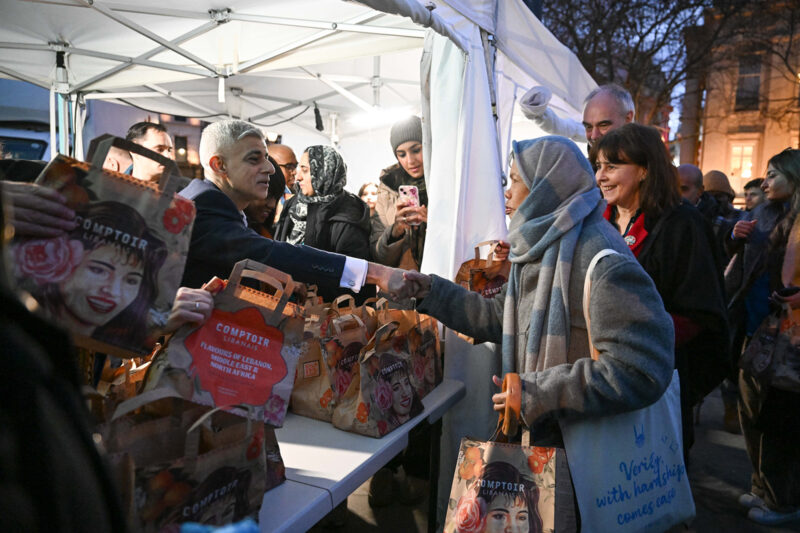
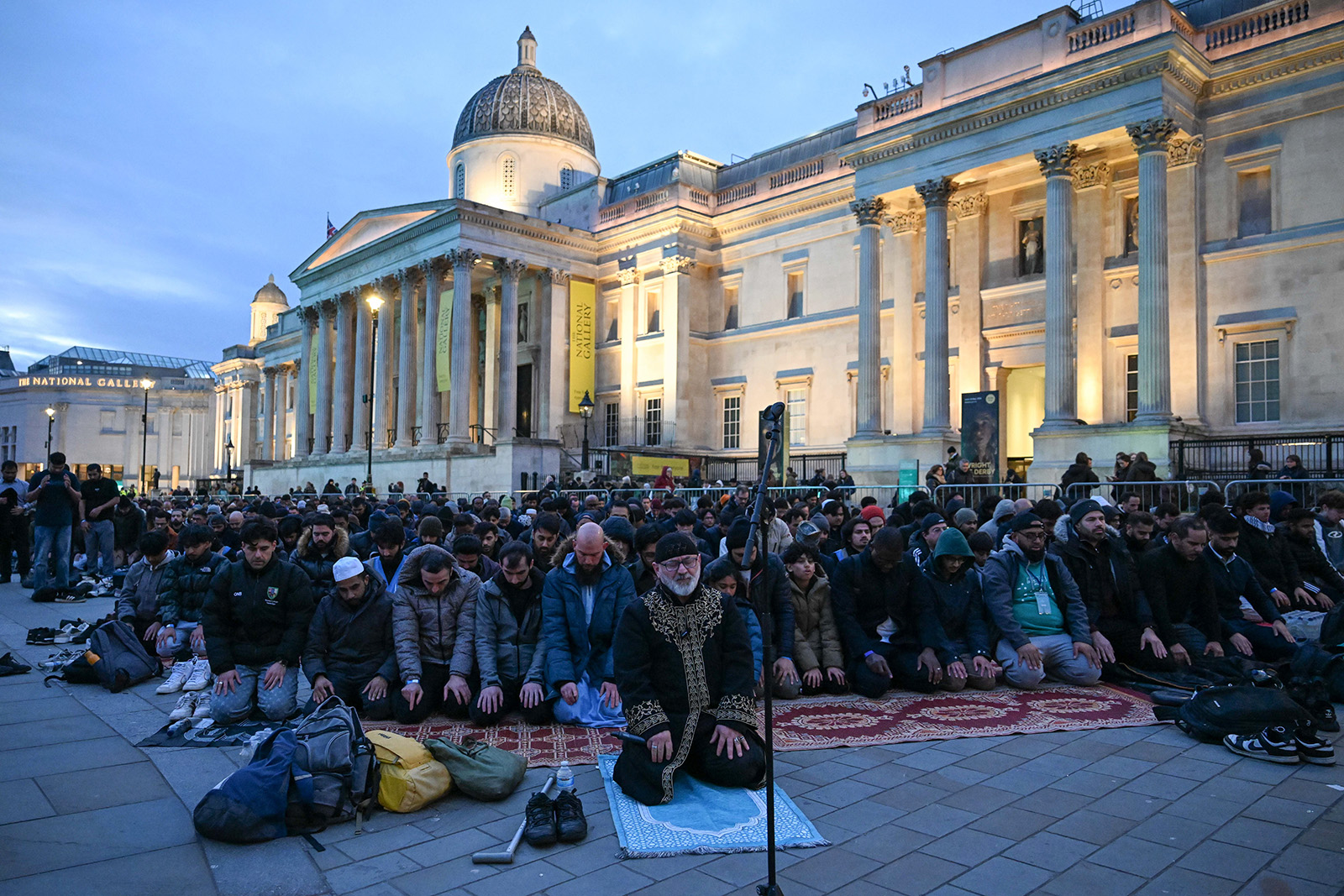
For six years, the Ramadan Tent Project’s Open Iftar has transformed Trafalgar Square into a space where Muslims gather with people of all faiths and none to break bread, share stories and build a sense of belonging. These gatherings are more than symbolic. They are acts of cultural and interfaith diplomacy, ordinary people modelling trust and understanding through shared experience.
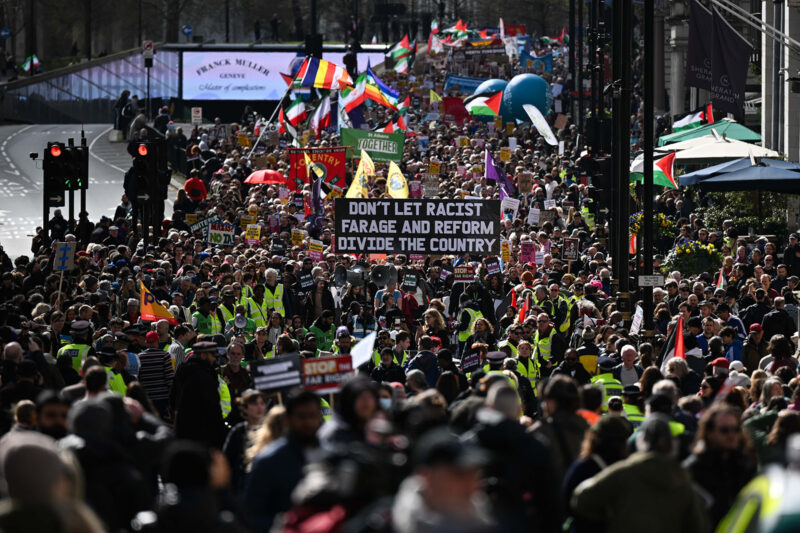
Yet political rhetoric distorts these spaces. The Conservative shadow justice secretary Nick Timothy last week described Muslims praying there as an “act of domination”. Narratives such as these echo conspiracies like the so-called ‘Great Replacement Theory’, portraying Muslims as outsiders undermining society. They reflect a wider pattern in public discourse that normalises suspicion, legitimises prejudice and reinforces the dangerous idea that British Muslims do not fully belong in public life.
Related content
The contrast with other faith celebrations is stark. Trafalgar Square hosts Easter, Diwali, Vaisakhi, and Hanukkah freely. Yet when Londoners join Muslim neighbours for iftar and witness the adhan and salah, it is deemed threatening.
When politicians, media and institutions signal that Muslim presence is suspect, it legitimises harassment, verbal abuse and hate crimes. It undermines and sidelines the positive work of interfaith and cultural diplomacy, distracting from the positive work being done to build bridges between communities.
A recent report from the Centre for Media Monitoring found that nearly half of articles referencing Muslims in Britain contained bias, while 70% associated Muslims with negative behaviours or threats. This entrenched media narrative has helped make Islamophobia feel more socially acceptable in polite society.
Days before Timothy’s post about the Open Iftar, the government published its new definition of anti-Muslim hostility. The definition is undoubtedly a positive step forward, but there is a concern that it risks ending up as a compromise that leaves no one satisfied, leaving Muslims no better protected. Avoiding the term Islamophobia dilutes recognition of the harm Muslims face, and emphasising perpetrators’ intent as a necessary condition for anti-Muslim hostility to be recognised — as the definition does repeatedly — raises the threshold beyond that faced by other faiths.
Under the Equality Act 2010, racism is assessed by impact, context and structural disadvantage. Religious hate crimes, by contrast, often hinge on proving intent, making anti-Muslim hostility harder to name, record and prosecute. Jewish and Sikh communities, recognised as both ethnic and religious, access race-based protections that account for systemic harm. Muslims, defined solely as religious, are excluded despite the clear intersection of race and faith.
In any case, though, defining anti-Muslim hostility is not enough. Words must be followed by action: we need a co-produced, well resourced, cross-sector national strategy backed by legal reform, education policy, workplace standards, media accountability and cultural initiatives. One adviser or piece of symbolic guidance cannot tackle structural prejudice.
There is, however, no single Muslim voice. Many Muslims I engage with are willing to accept compromise. Some in fact prefer the term anti-Muslim hostility, given the extent to which the word Islamophobia has been politicised and undermined.
That willingness should not be misread as resignation. It is a reflection of urgency. Communities want progress and are prepared to work within imperfect frameworks if it delivers meaningful change.
This moment requires a shift from idealism to pragmatism. Muslim civil society cannot be stuck at simply critiquing or retreating into disengagement. Disengagement concedes authority. Engagement is not endorsement: it is a strategy to shape definition, influence policy design and ensure accountability in implementation.
Muslim civil society must take responsibility for its own coherence and credibility. No single organisation can claim to represent the breadth of British Muslim life. That diversity is a strength, but only if it is organised effectively. This requires collaboration across institutions, investment in leadership, and a willingness to co-produce solutions with government rather than simply respond to them.
Tackling anti-Muslim hostility requires a coherent, whole-system strategy. Legal reform must focus on impact and protections must be enforceable. We need stronger guidance for the CPS about how to deal with anti-Muslim hate crime, sustained investment in countering hate in and through education and curriculum reform. Civic infrastructure and local authorities should foster inclusion and belonging to counter hate, supporting interfaith leadership, cultural initiatives and public spaces. Accountability for media and digital firms is critical to prevent the amplification of harmful narratives.
Related content
The appointment of an independent adviser is long overdue. They must have a clear mandate, a capable team and credibility with both the government and communities. One person without authority cannot deliver meaningful change to leading on a strategy that addresses both structural and everyday forms of anti-Muslim hostility.
Britain must make room for Muslim and British identities to coexist without contradiction, not force choice. The constant othering of Muslims, including the weaponisation of accusations of entryism and Islamism, is deeply alarming — and corrodes the nation itself. Islamophobia must be confronted wherever it is normalised. A nation is strongest when all its citizens feel they can fully belong within it.
This requires more than words. The government must work with Muslim communities as partners and deliver coordinated action across law, education, media and civic life. They must be able to belong, participate and be visible without fear.
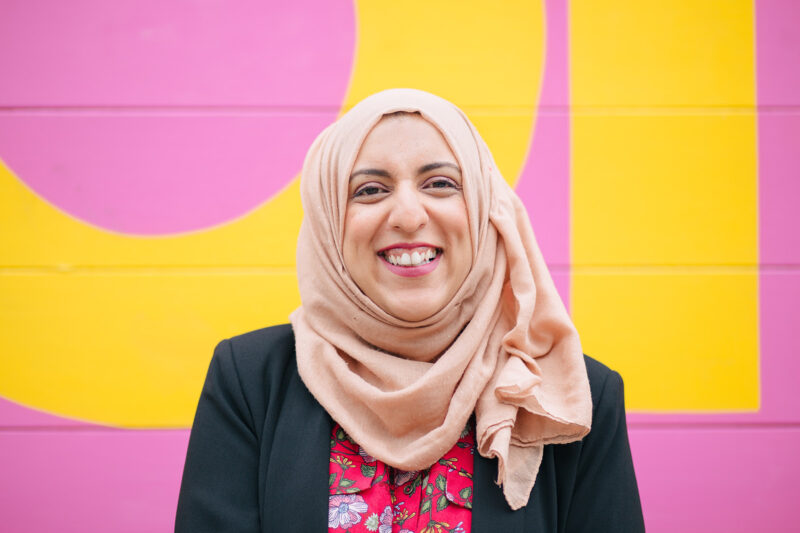
Mohammed Ali Amla is public affairs director at education charity SNS, leading on countering antisemitism and Islamophobia and empowering young leaders. He is also a Faith and Belief Forum trustee and a steering committee member of Encate (the European Network for Countering Antisemitism through Education).