

As war squeezes living standards, can Reeves make ‘securonomics’ happen?
The conflict in Iran is pushing up prices in the UK, but in a key annual economic lecture the chancellor’s focus was on AI and long-term investment

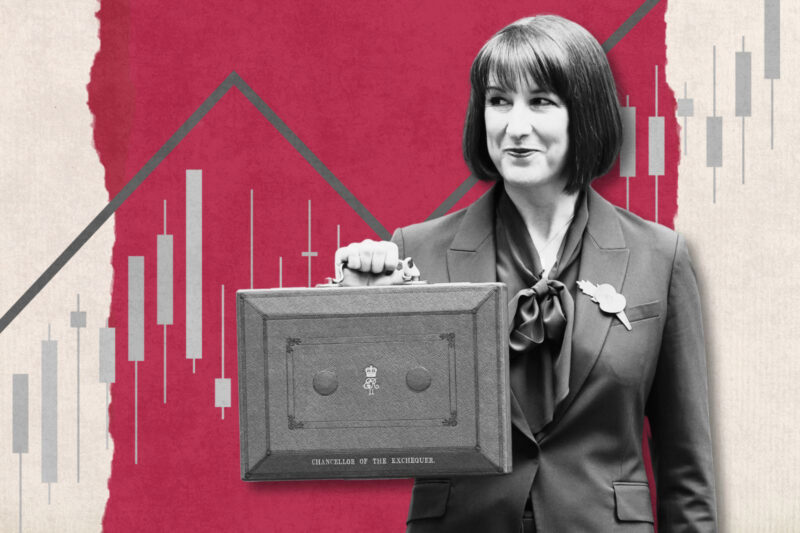
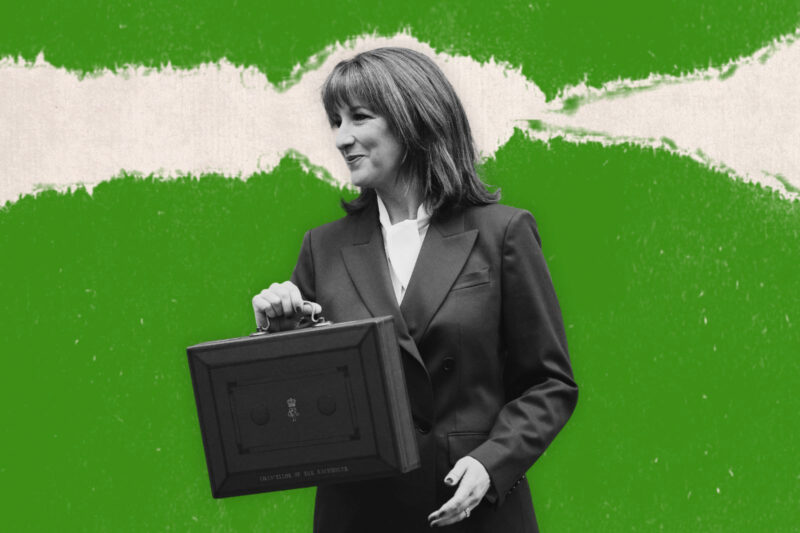
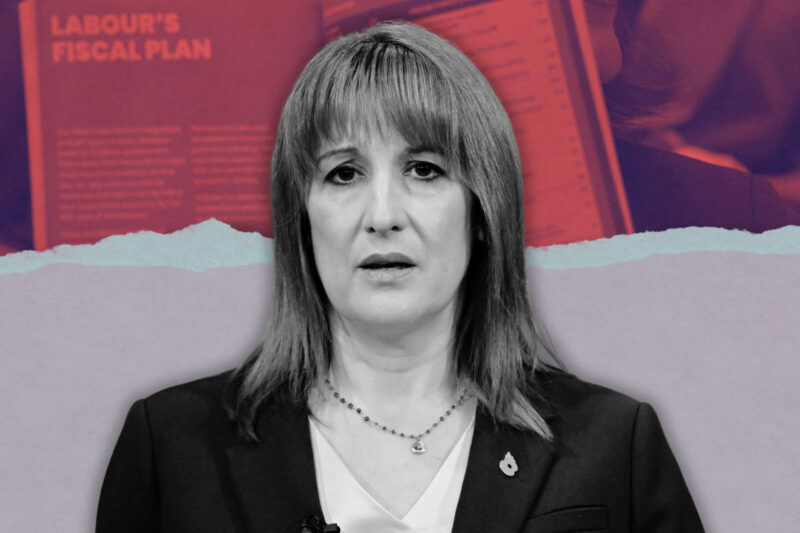
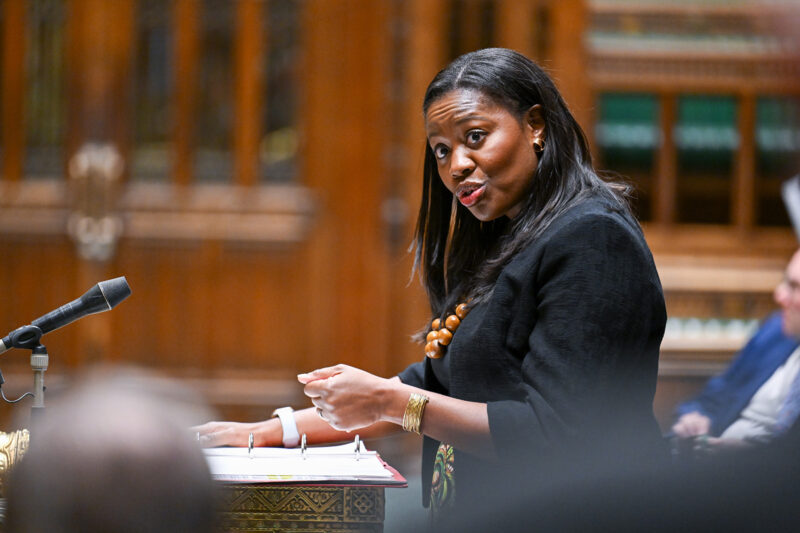
Before Rachel Reeves had delivered a single line of what was billed as her most important economic speech since the Budget, the audience at the Mais lecture had already heard something she hadn’t intended them to.
The lecture is an annual event that I attended on behalf of ITV News. As we sat in the audience waiting for it to begin, five words were heard in the room: “That will be your fault.” Backstage, the chancellor was apparently unaware her microphone was live. The feed cut. A beat of confusion rippled through the hall. Then Reeves walked out and delivered her address as though nothing had happened.
Related content
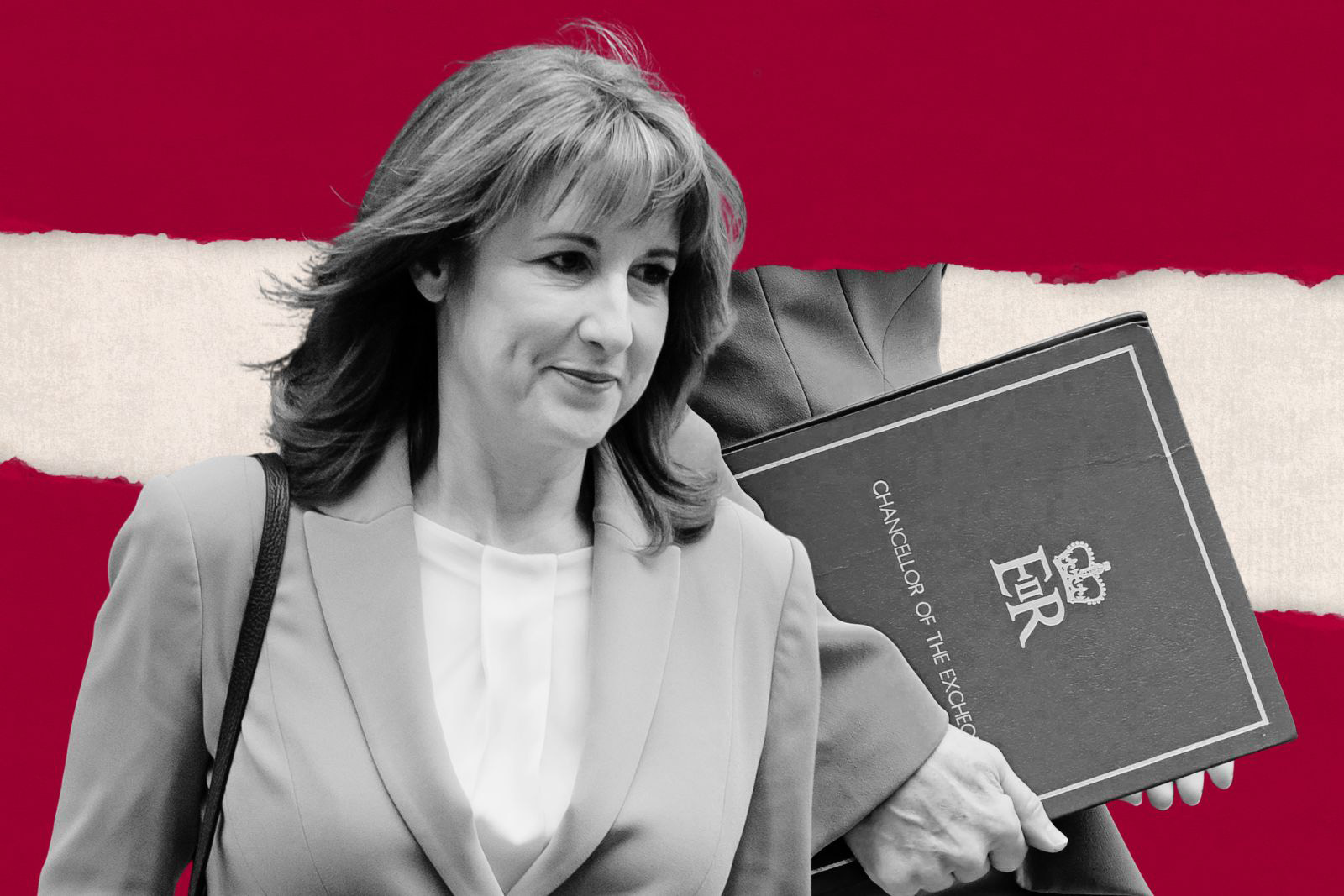
It was an odd start to a speech designed to project economic authority. Who the comment was directed at or what it concerned was never explained. Reeves, though, will know that if she doesn’t get the economy growing soon, the blame will fall squarely on her.
The substance of the Mais lecture was genuinely ambitious.
Reeves outlined plans for closer alignment with the EU — a significant shift in economic positioning that would have been unthinkable for a Labour frontbencher to say aloud three years ago.
She spoke of devolving greater control over tax revenues to regional mayors, a move that would represent a meaningful transfer of financial power away from the Treasury.
And she said she wanted growth through private investment, with investors seeing the UK as a viable destination for their money, particularly in the arena of artificial intelligence.
These are not trivial ideas. Closer EU alignment could unlock trade facilitation and regulatory convergence that some economists have long argued would add meaningful percentage points to the UK’s GDP. When I asked the paymaster general, Nick Thomas-Symonds, he was insistent that the move would reduce red tape and stop businesses having to fill out extra paperwork.
Then there’s the empowering of mayors such as Manchester’s Andy Burnham and London’s Sadiq Khan — devolving some tax powers to regional mayors, or giving them a chunk of regional tax revenue, is the kind of structural reform that central government has avoided for decades, something I was once told by a Treasury official that the department generally viewed with “institutional suspicion”.
But ambition and delivery are two very different things. The reality is that the economy is not growing in any meaningful sense. The Office for Budget Responsibility’s projections for 2026 have been revised down. Business confidence, which surged briefly at the start of the Labour government, has softened again.
Worse, the external picture has darkened considerably. The conflict in Iran is generating exactly the kind of inflationary pressure that the Bank of England had spent two years trying to suppress. The cost of petrol has already risen at the pumps. Some lenders have increased the cost of mortgage deals in anticipation of a rise in interest rates to combat inflation. It means that living standards, the thing that underpinned Labour’s entire electoral pitch, will likely be squeezed again.
That, to Labour MPs, is the nub of the problem. “Making sure people feel better off is the only thing that will matter come the election,” one veteran Labour MP told me. “The rest of it, the strategy, the speeches — none of that counts for anything if people feel worse off than they did under the Tories.” It is a blunt analysis but it is the one shared by most in the parliamentary tea room.
Reeves and her allies have pushed back firmly in the past when similar points have been made.
Treasury sources have consistently argued that the decisions laid out in Reeves’ first Budget, such as increasing national insurance for employers and the initial scrapping of the winter fuel payment, were about long-term fiscal stability, not short-term political comfort — and that investment-led growth takes time to flow through into wages and living standards.
They point to the public investment commitments already progressing through parliament, such as the GB Energy vehicle, which puts government money into renewable energy projects, and planning reforms that they argue will speed up housebuilding and streamline approvals for infrastructure projects. The foundations, they say, are being laid.
The current buzzword being repeated in government circles is “securonomics” — which is all about designing and managing an economy that prioritises long-term security.
The problem is that no one votes on foundations. The danger for Labour is not that the economic plan is wrong in its architecture. It may well be broadly correct. The danger is that the timeline of political pain, elevated mortgage rates, rising fuel prices and the fallout from the Iran conflict do not align with the timeline of economic gain. Growth, if the investment thesis works, may arrive in a few years. The next election might come before that.
What Reeves laid out at the Mais lecture represents the clearest articulation yet of what Labour’s economic project actually is.
For almost two years, we have heard repeatedly from the government about the task of dealing with its difficult inheritance from the Conservatives. Now, Reeves is offering some clarity — on Europe, on devolution, on the technology bet. That is genuinely useful and the speech deserves serious engagement.
But the chancellor knows as well as anyone in that hall that economic speeches do not pay mortgages or fill petrol tanks. The test of this government will not be taken at a lectern. It will be taken at the checkout, at the petrol station and eventually at the ballot box.
Shehab Khan is an award-winning presenter and political correspondent for ITV News.