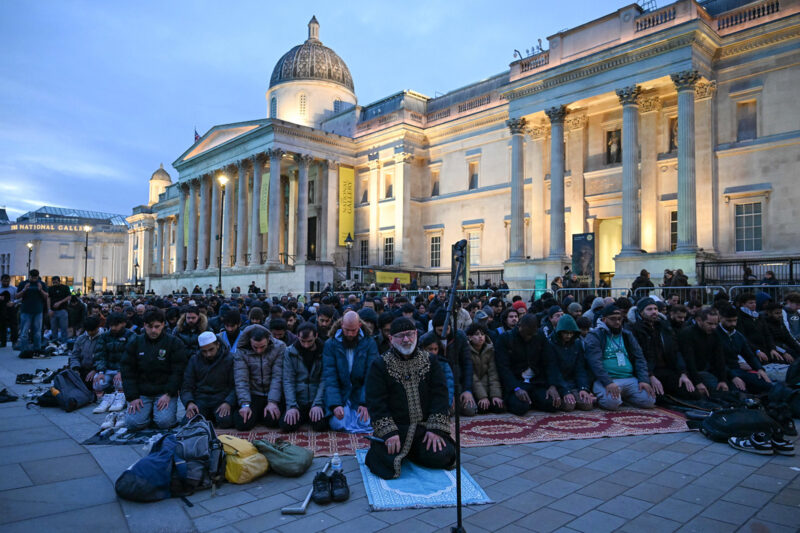


Nowruz and Eid fall side by side this year, marking hope for a new beginning
In a magical case of cultural and religious alignment for Iranian Muslims, the two major celebrations could take place on the same day

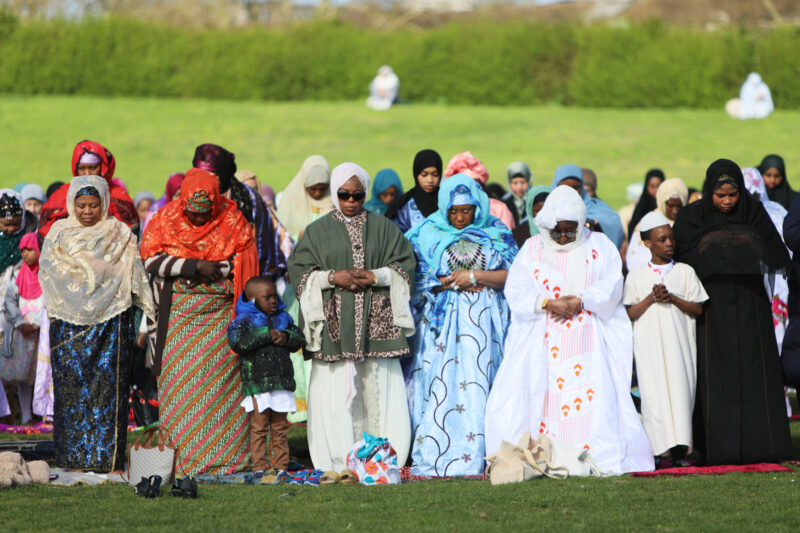
The holy month of Ramadan is sadly drawing to an end, and so is — less sadly — winter. This means that two of the biggest occasions of the year for Iranian Muslims are on the horizon: Nowruz and Eid al-Fitr. In 2026, in a magical case of cultural and religious alignment, they may fall on the same day, or just one day apart.
Unlike the generally inferior Gregorian new year, which asks us to commit to self-betterment and restriction in the darkest part of winter, Nowruz offers a new beginning in harmony with the rebirth of the natural world. We ring in the new year at the exact moment that the earth tilts on its axis into spring. This means it is at a different time each year (at 2.46pm GMT in 2026), so everyone who celebrates does so at the exact same time no matter where they are in the world.
Related content
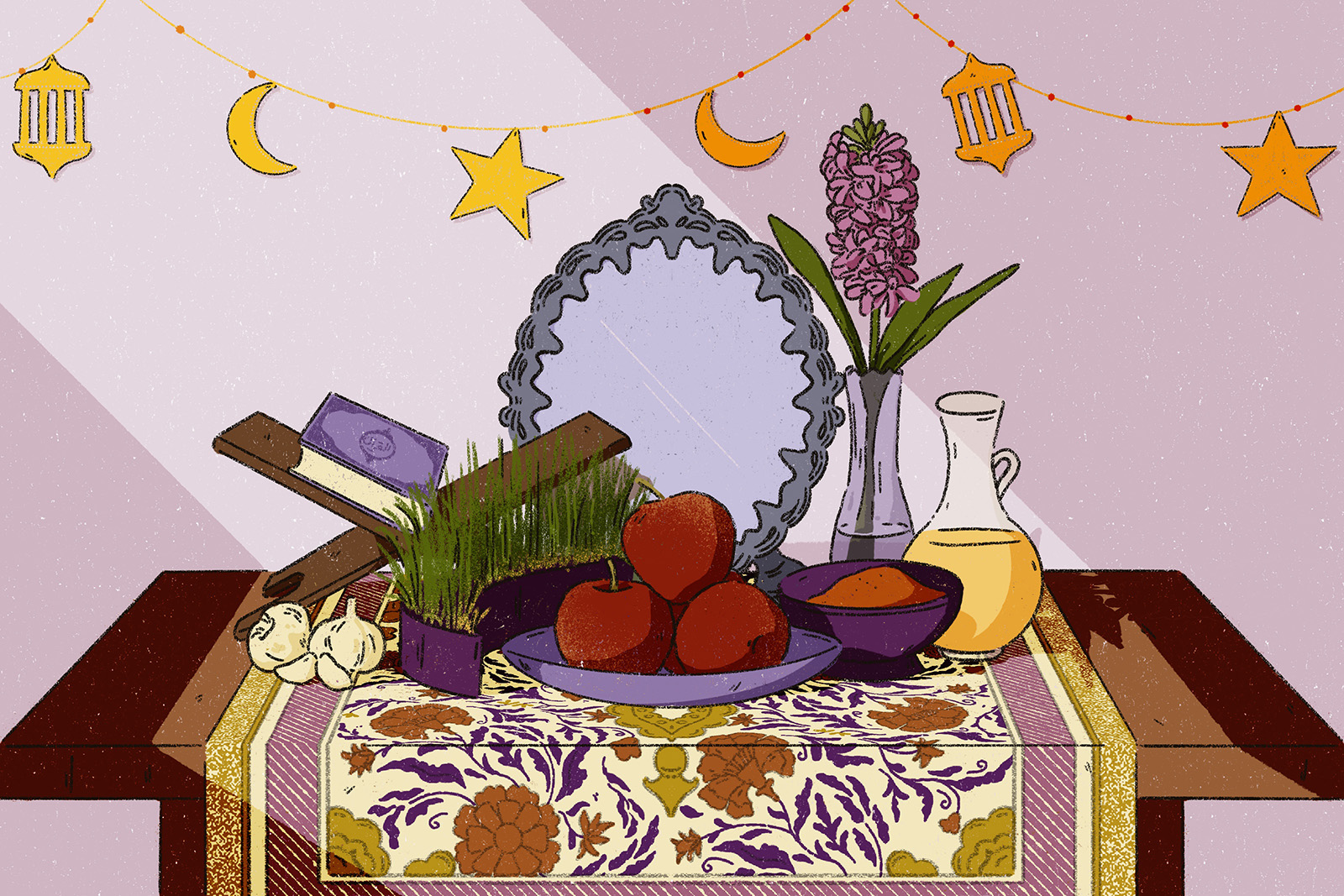
The centrepiece of Nowruz is the haft-sin, which literally translates to “seven s’”, and is a table decorated with symbolic items that represent hopes for the new year. These include garlic for health, apples for beauty, sumac for new beginnings, vinegar for age and patience, dried oleaster fruits for love, a sweet wheat germ pudding for fertility, and sprouted greens grown in a dish for the occasion to symbolise rebirth.
It is also customary to include painted eggs (as the artist of the family, my mum always hands this responsibility to me), mirror candles, coins, traditional sweets and a holy book. In our household it is the Qur’an, but for secular Iranians it is usually the Shahnameh or the Divan of Hafez. These items can vary based on family customs and region, but at the centre is a powerful connection to nature and an emphasis on the renewal and rebirth of spring.
Nowruz and the haft-sin both originate in Zoroastrianism, Iran’s ancient religion before Islam. Anti-Islam factions of the Iranian diaspora claim that Persian culture and heritage have been colonised and diluted by Islam. However, to me, the survival and adaptation of these ancient traditions over thousands of years is proof of their resilience, and of the enduring and unbreakable spirit of Iranian heritage.
In Iran, even under the Islamic Republic, Nowruz remains a state-sanctioned two-week national holiday, during which time families often take road trips to celebrate together. The festivities come to a close on the 13th day, called Sizdah Be-dar, which Iranians spend outdoors in nature, usually with a picnic. At the end of the day, the sabzi (sprouted greens) from the haft-sin are thrown into a moving body of water. It is a ritual custom for young, single women to knot the stems of the sabzi before throwing them, hoping the offering will help them find a husband.
Related content
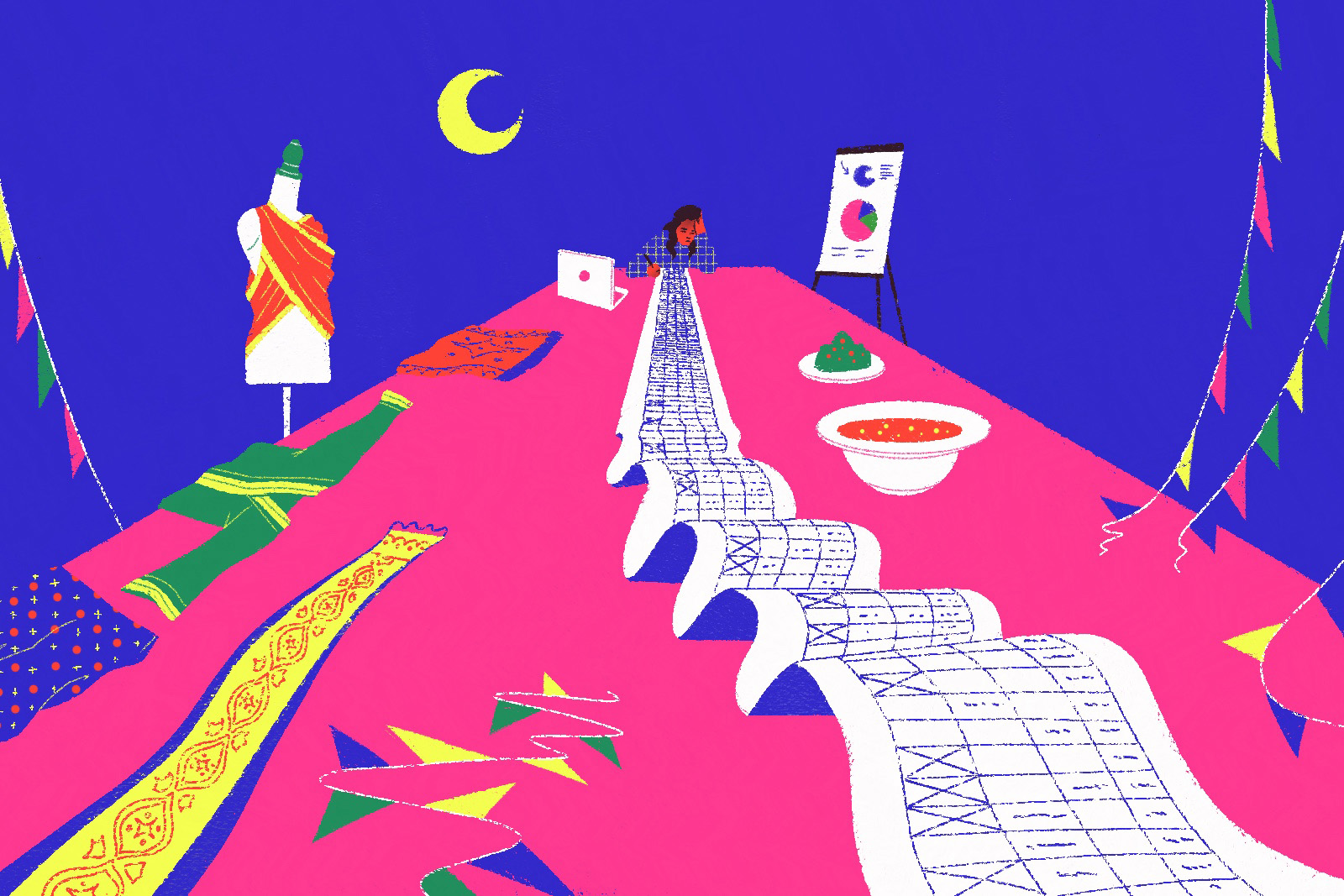
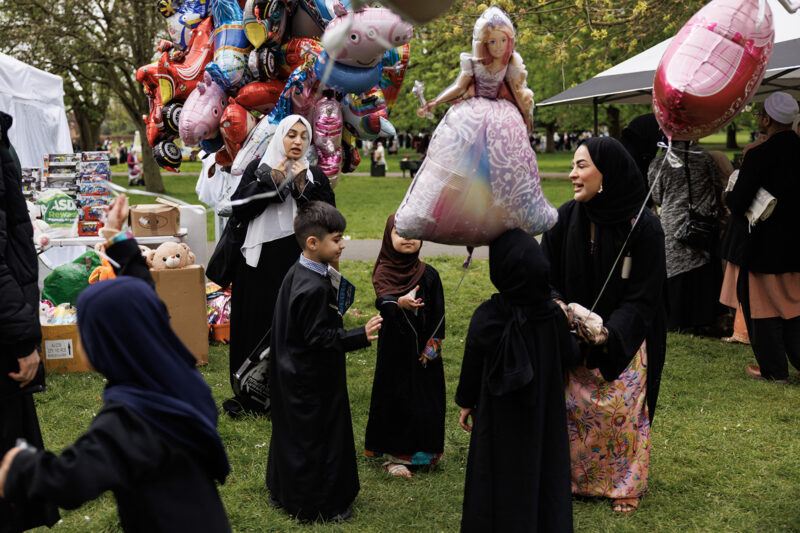
Both Nowruz and Eid al-Fitr share the importance of gathering with family to share food and exchange well wishes, cleaning and decorating the home, and wearing new clothes to mark a fresh spiritual start. Whereas Eid is a celebration of gratitude to Allah for strength, faith and the opportunity to have experienced the blessings of another Ramadan, Nowruz is a celebration of winter’s end, the triumph of light over darkness and the promise of a new day — the literal translation of the word.
As a Shia household, we did not celebrate Nowruz last year as it coincided with the martyrdom of Imam Ali (AS), the son-in-law of the Prophet Muhammad. And this year, although my family and I have arranged our traditional haft-sin, both Nowruz and Eid feel fraught for different reasons. Iran remains under attack by similar genocidal forces that have been destroying Gaza since late 2023. As bombs fall on our homeland, many of us have fallen out with friends and family over disagreements as to whether this war will bring liberation.
In Iran, families are making their Nowruz and Eid preparations under military bombardment, not knowing whether they will have a home or even be alive to see in the new year. The bazaars, traditionally bustling this time of year, are quieter than usual. Shops are closed, work has stopped. Nevertheless, life persists. Jasmine flowers bloom, their petals covered in ash from the poisonous black rain that fell over Tehran after US-Israeli strikes on oil facilities. Undeterred, Iranians spring-clean their homes and hang their freshly-washed Persian rugs out to dry. Shopkeepers hand out free potatoes for those in need and free bread for emergency responders.
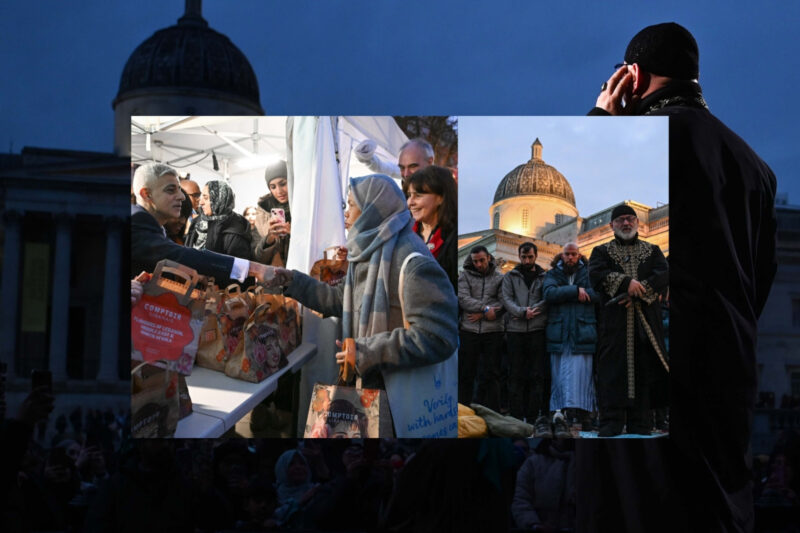
As Muslims, it has never been more clear that our Islamic duty lies in standing against oppression and injustice. As we gather with family this year, whether for Eid or for Nowruz, we should do so in remembrance of our brothers and sisters who have lost their lives and loved ones.
And as Iranians, it is more important than ever that those of us who oppose war use our voices to stand against it. As the traditional new year greeting goes: “Har roozetan Nowruz, Nowruzetan Pirooz” — may every day of yours be a new beginning, and may your Nowruz be victorious.