

Amber Husain on Tell Me How You Eat: ‘Food is culturally, politically and socially loaded’
The author’s latest book is a personal account of her own experience of disordered eating and an exploration of how food has been politicised throughout history

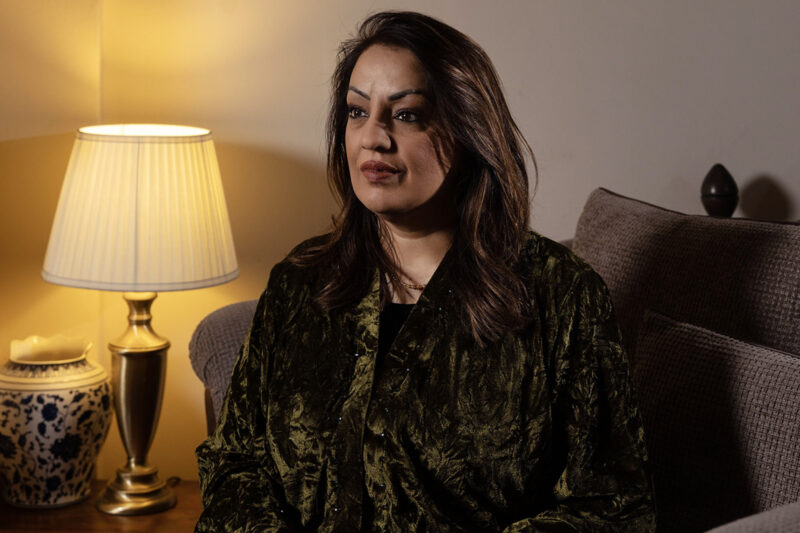
The phrase “you are what you eat” can be traced back to the 19th-century French lawyer and politician Jean Anthelme Brillat-Savarin, who wrote in Physiology of Taste: “Tell me what you eat, and I will tell you what you are.” For author Amber Husain, the idea that a person can be wholly understood, even judged, not over the course of a life, but on a single day’s meals, has only calcified in the modern era.
Just look, she says, at the phenomenon of “what I eat in a day” videos on social media, in which celebrities and influencers document their daily diet for millions of followers online. “They’re fascinating to me because I wonder what people think they’re trying to get out of them,” she says. “Are we seeking models for how to be?”
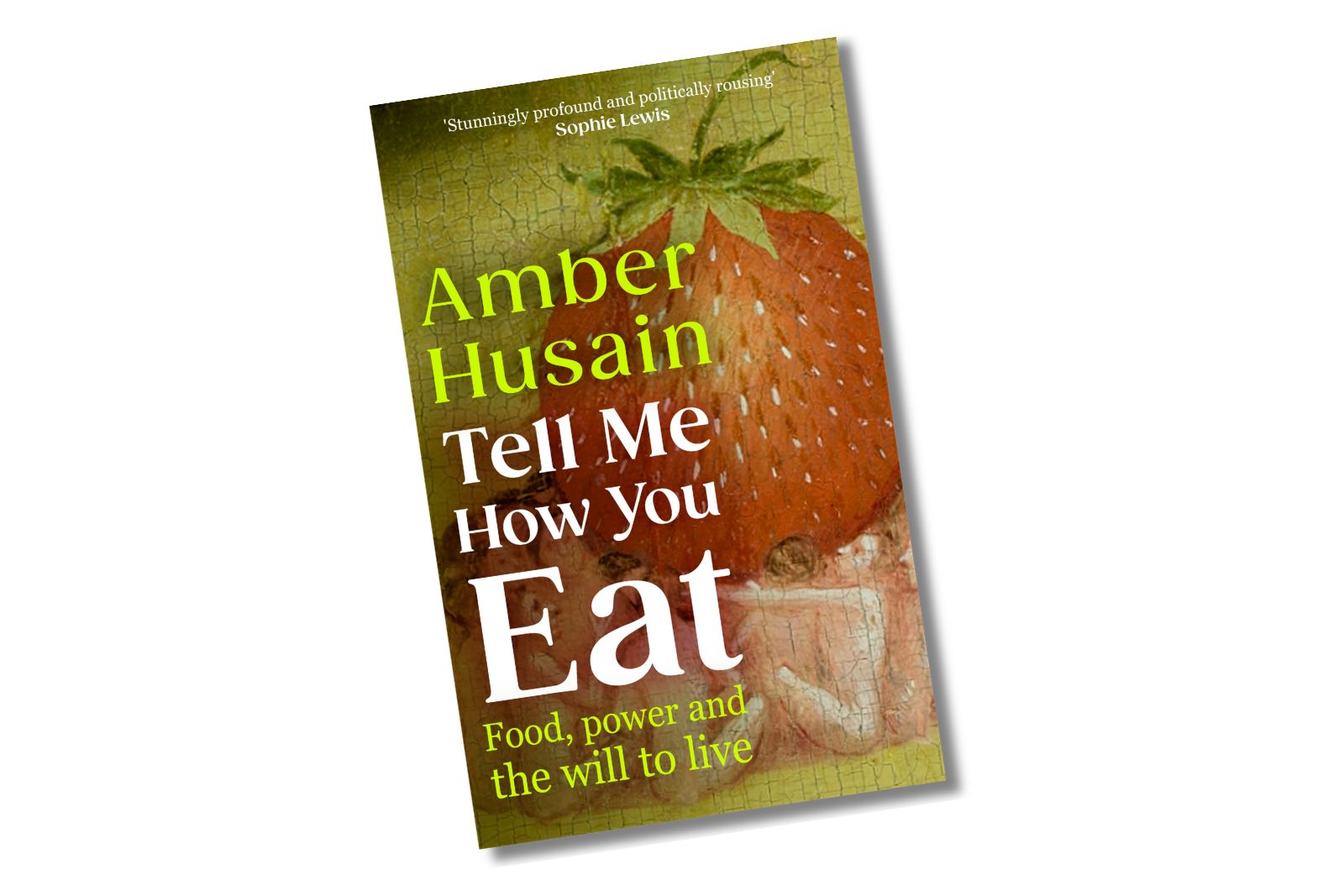
It’s a belief her latest book, Tell Me How You Eat, sets out to untangle. Part personal account of her own experience of anorexia, part exploration of how food has been used, withheld and shared throughout history as an act of political power, Husain’s new work is startlingly original.
Related content
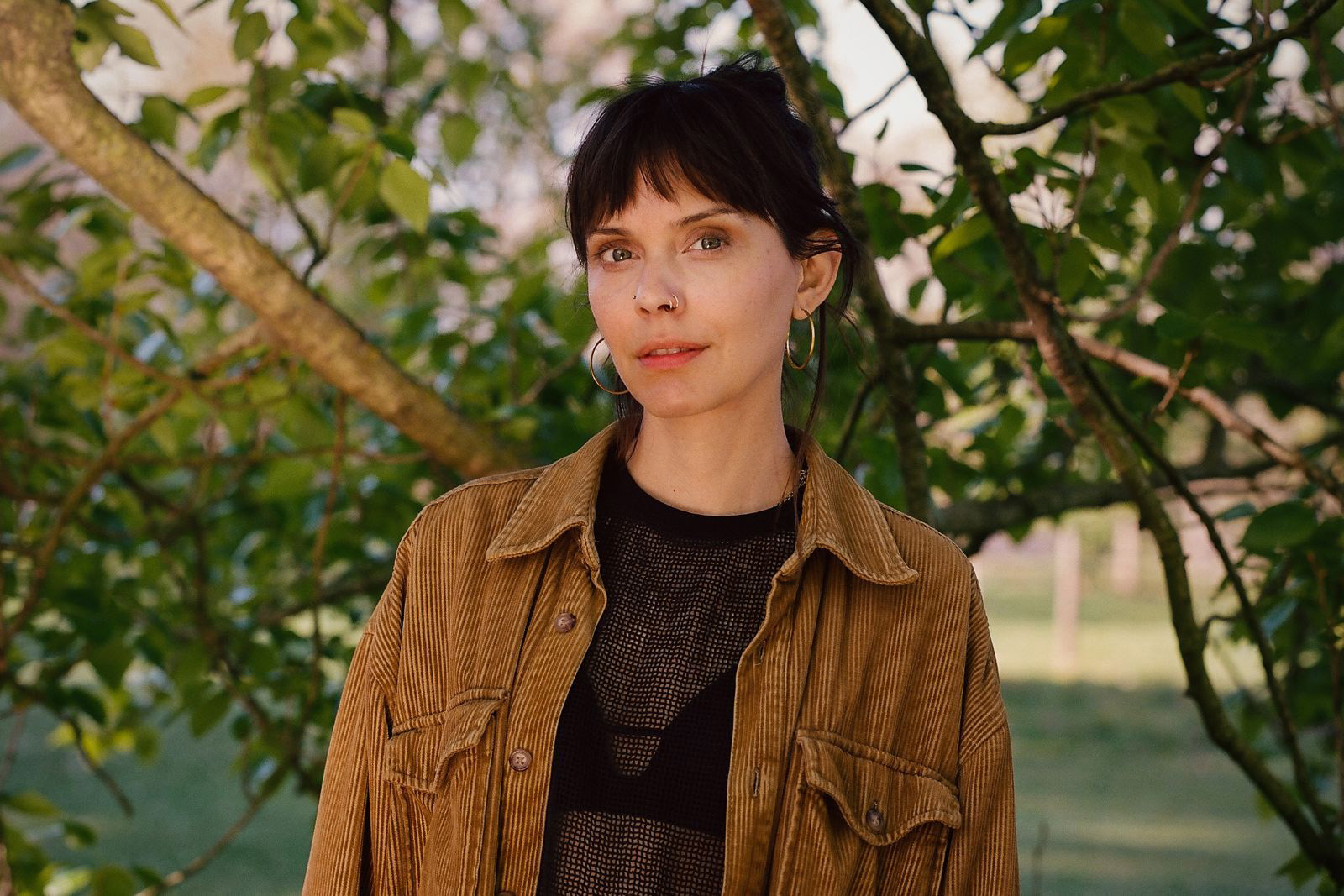
The London-based writer holds a PhD in the history of art and mind-body medicine in late 20th-century Britain. Her essays on politics, literature and art have appeared in the London Review of Books, Granta and New York Times Magazine, among others. Tell Me How You Eat is Husain’s third book, following Meat Love in 2023, which explores people’s cultural attachment to eating meat.
For as long as she has known, the “spirit of Brillat-Savarin has felt quite decisively alive”, Husain says. Growing up in the 2000s, she recounts that schoolkids were made of Turkey Twizzlers, teenage girls of Starbucks’ Venti Caramel Macchiato, and parents of nothing but cabbage soup. “Things have changed, by which I mean the relevant foods, but the logic remains the same,” she writes.
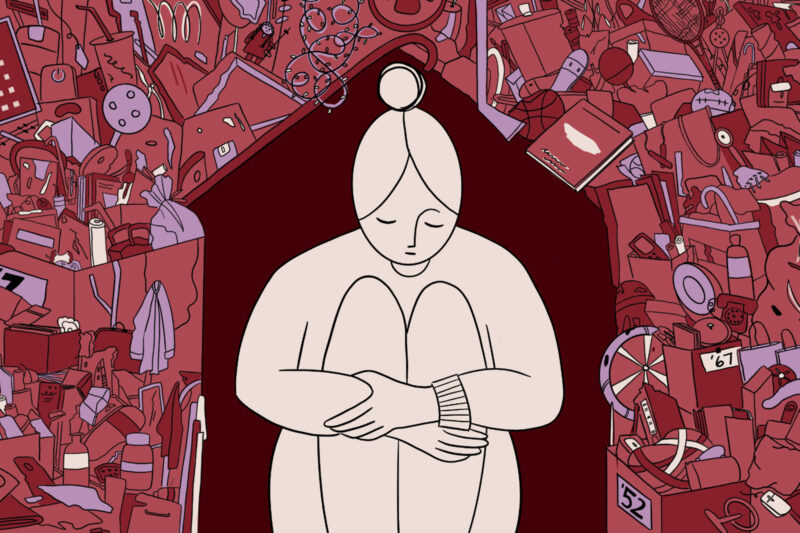
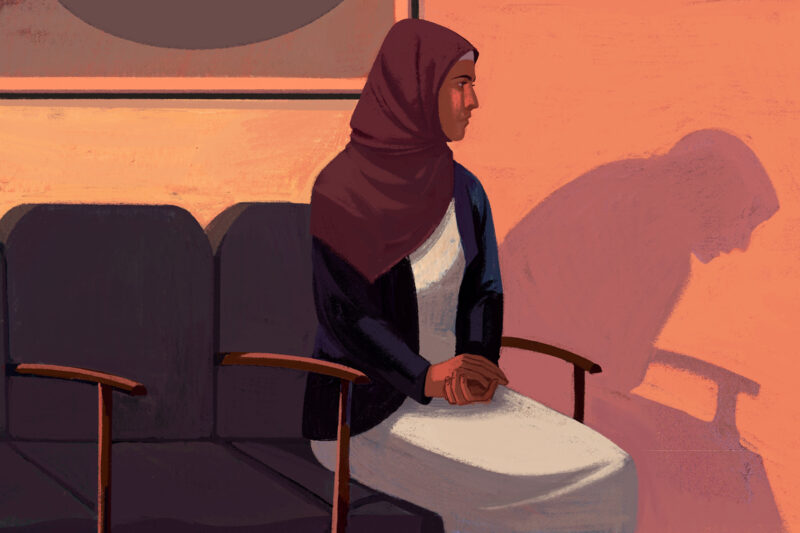
But what if you have a difficult relationship with food? What are you then? These were the kinds of questions Husain asked herself when she developed anorexia during the coronavirus pandemic. “I did feel really ashamed and embarrassed — it didn’t fit with my preconceptions about what anorexia was, and it didn’t really fit with my sense of self,” she tells me.
It was only when she began to recover, and her understanding of the illness had fundamentally changed, that she felt able to write about her experience and what she had learned from it. “Anorexia didn’t necessarily have to be about self-image. It didn’t have to be principally about self-esteem,” she says. It felt important for her to share this realisation and to reframe how we think about eating disorders.
“What the book is proposing is that because food is a very culturally, politically, socially loaded thing, it makes sense that a difficult relationship with the wider world might latch on to a difficult relationship with food,” she says.
The book is structured around five main chapters, each marking a stage in Husain’s journey to recovery, from participating in a pioneering clinical trial investigating high doses of psilocybin — a hallucinogen found in some mushrooms — as a treatment for eating disorders, to cooking for a spiritual healing retreat in Wales, where she begins to reimagine food as an act of nourishment.
Yet it is never only her story. Threaded through her personal account is a political history of food that shows that who eats and who doesn’t is often a question of power, and that our relationship with food can be directly linked to our sense of faith in the future.
In one example, Husain writes about the California Diggers, an anarchist group in 1960s San Francisco who encouraged volunteers to “beg, borrow, steal and form liaisons” to redistribute food to those who needed it. They served free stews in the city’s Golden Gate Park daily under the slogan: “It’s free because it’s yours.” Alongside them was radical poet Diane di Prima, who was enlisted to deliver fish and vegetables to more than 20 communes a week, and began writing her landmark Revolutionary Letters, a collection of fiercely political poems.

Husain uses histories such as these to show that food has always been entangled in how society organises itself.
As much as food can bring people together, it can also be a source of division and a political weapon. Nowhere is this more revealing than in her examination of Israel’s ongoing use of starvation as a weapon against the Palestinian people in Gaza.
We also see how Husain’s involvement in political activism in part aided her own healing. In 2022 she began to volunteer with the Right to Food campaign, after learning about the state of food poverty in the UK. “However slow the progress, or provisional the goals, it felt like I had one more thing to eat for,” she writes.
This work gave her a profoundly deeper understanding of her relationship with food. “Food is both the bare minimum needed for political action and a medium through which we can enact political ideals,” Husain says. And, she adds, it can make “living, and trying to make the world better, feel like a pleasurable and beautiful thing”.
Tell Me How You Eat: Food, Power and the Will to Live is published by Hutchinson Heinemann.
Beat, the UK’s eating disorder charity, can be contacted on 0808 801 0677 or beateatingdisorders.org.uk