

Ramadan in Europe’s far-right heartlands
In Nice, Monfalcone and Thuringia, Muslims mark the holy month as nationalist parties reshape the politics of public space

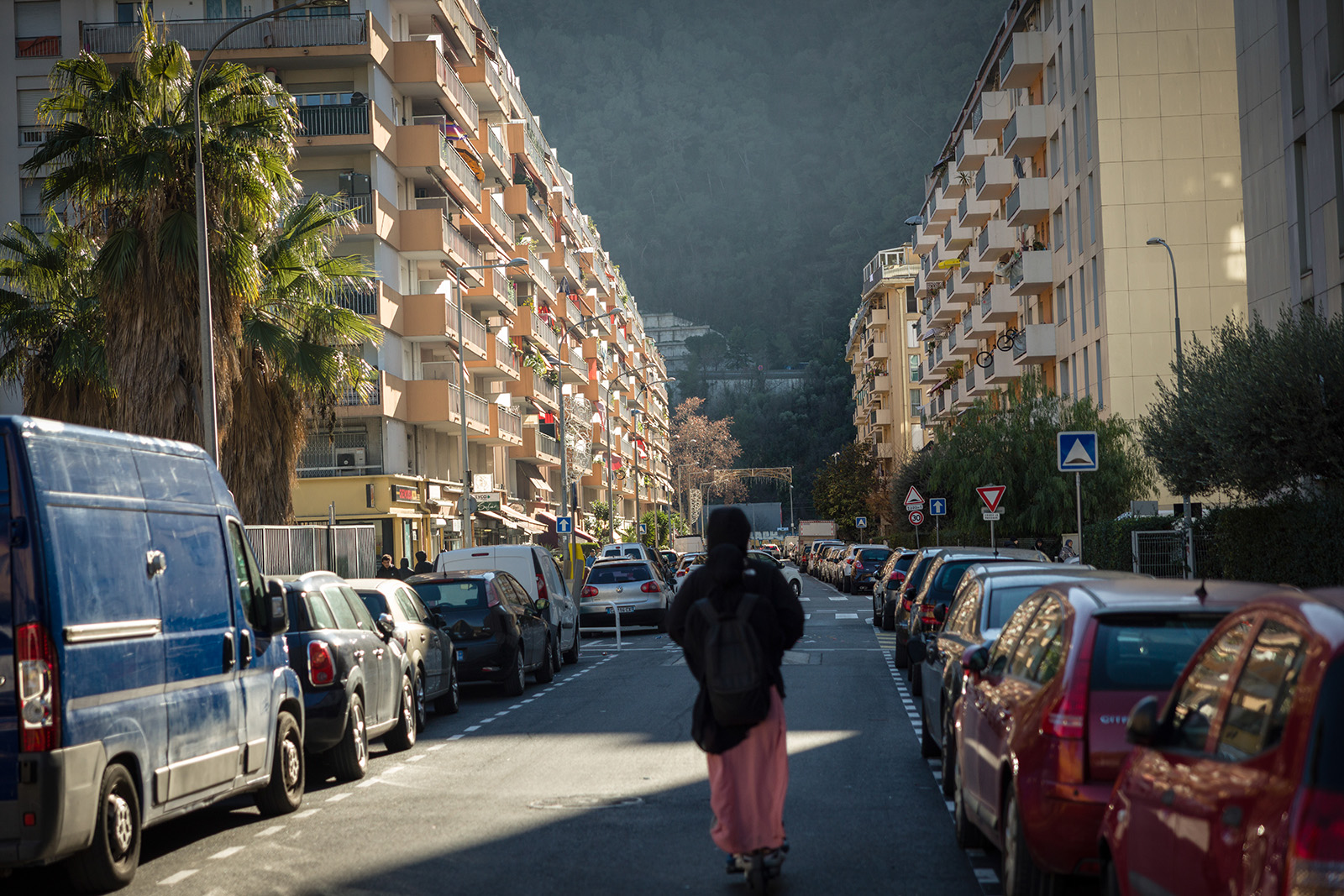
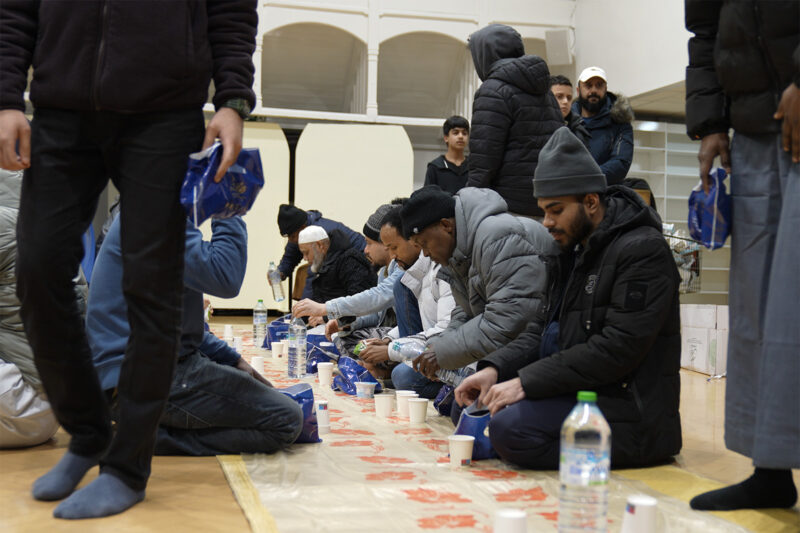
As dusk settled over Nice one evening in February, the narrow streets north of the city centre filled with the smell of fried pastry soon to be soaked in honey. In the days before Ramadan began, Muslim-owned businesses across the French Riviera city adjusted their rhythms: semolina stacked high, dates replenished and shelves lined with syrups and almonds. Shopkeepers prepared for evening gatherings and the nightly prayers that would draw hundreds through mosque doors.
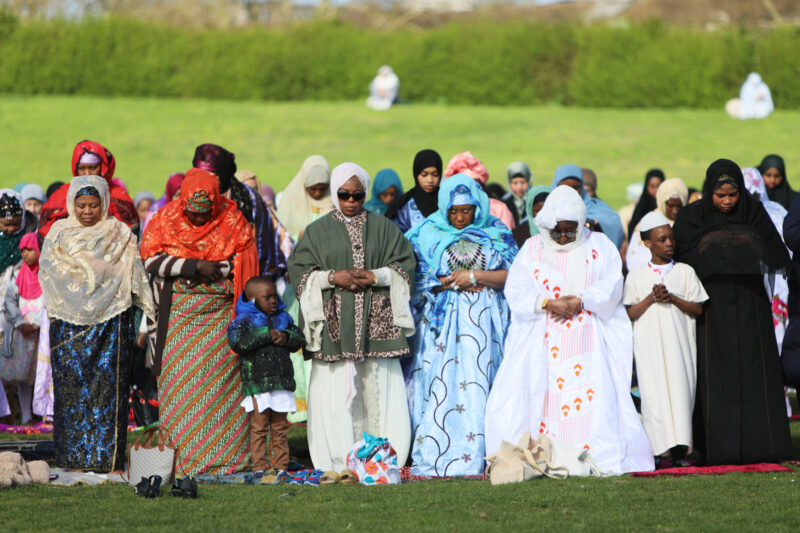
Tens of millions of Muslims across Europe have been fasting during the holy month, as Ramadan takes place amid the strongest far-right surge the continent has seen in a generation. From France’s Mediterranean coast to north-eastern Italy and the eastern German state of Thuringia, nationalist parties that once railed against Islam from the sidelines are now in power in local and regional governments. In many places, debates over migration have hardened into scrutiny of Muslim visibility itself — making the holy month not only a spiritual observance but a test of how comfortably faith can inhabit public space.
Nice has long been governed by a conservative municipal administration and the Alpes-Maritimes region remains one of the strongest bastions of France’s far right. When Hyphen reported recently from the city’s L’Ariane and Les Moulins districts ahead of the 2026 municipal elections, young Muslim voters described feeling politically visible yet culturally suspect — courted during campaigns but scrutinised in debates about security and secularism.
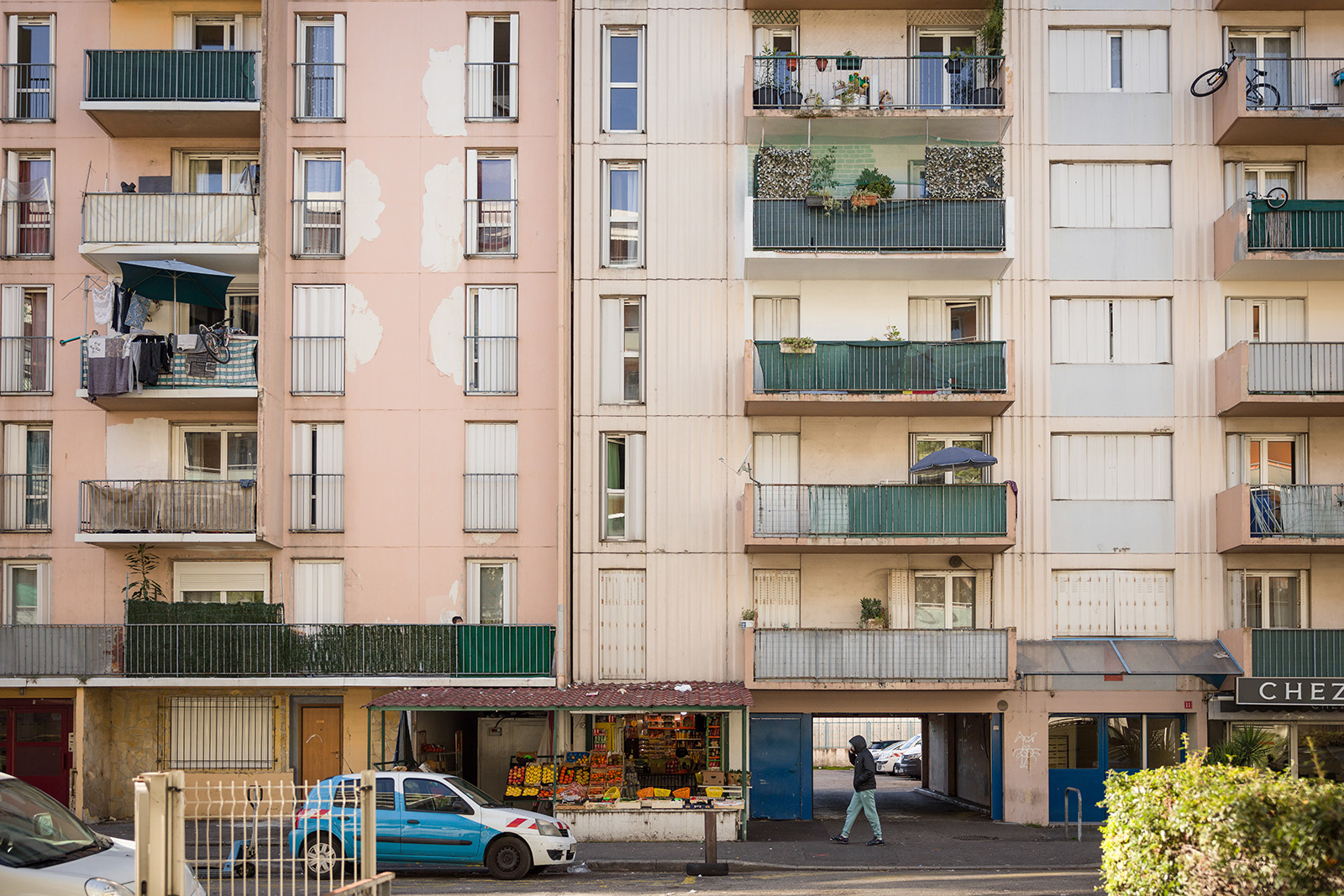
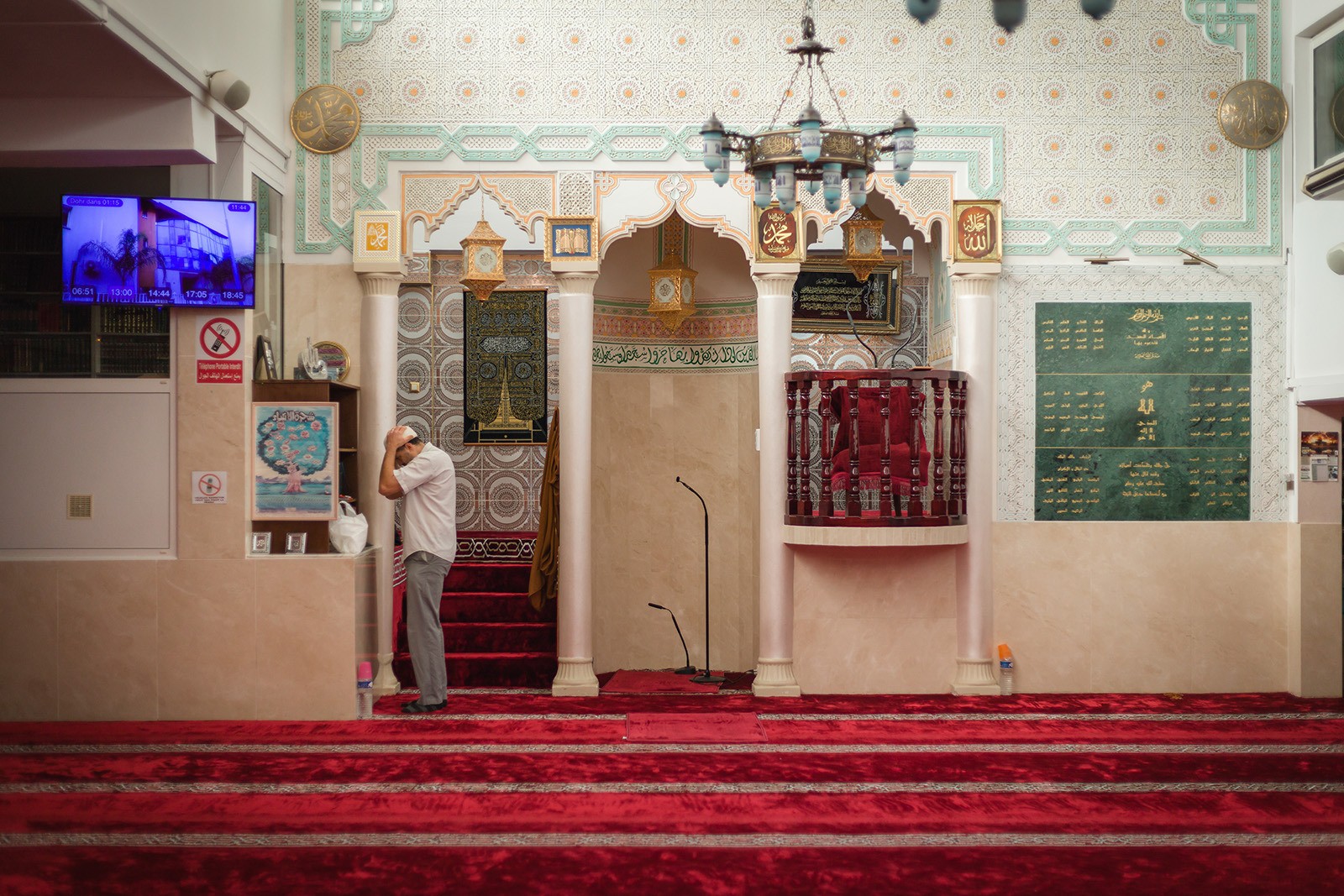
At the Mosquée Ar-Rahma, preparations began well before the first fast of Ramadan. Walls were repainted, carpets washed and volunteers organised food baskets for families in need alongside nightly meals for students and others facing hardship.
“Ramadan is a sacred month,” said the mosque’s rector, Otmane Aissaoui. “We prepare the mosque so worshippers can come in a peaceful environment.”
Attendance rises sharply during the holy month, particularly for evening prayers. Afterwards, conversations sometimes turn to politics. “Naturally, people talk about the political climate and about the candidates standing for mayor,” Aissaoui said.
For Samia, an education worker in the Vauban district who preferred not to give her full name, Ramadan this year has felt manageable. But she has become more careful about how openly she observes it.
“I keep a certain neutrality,” she said. “I don’t particularly publicise my faith.”
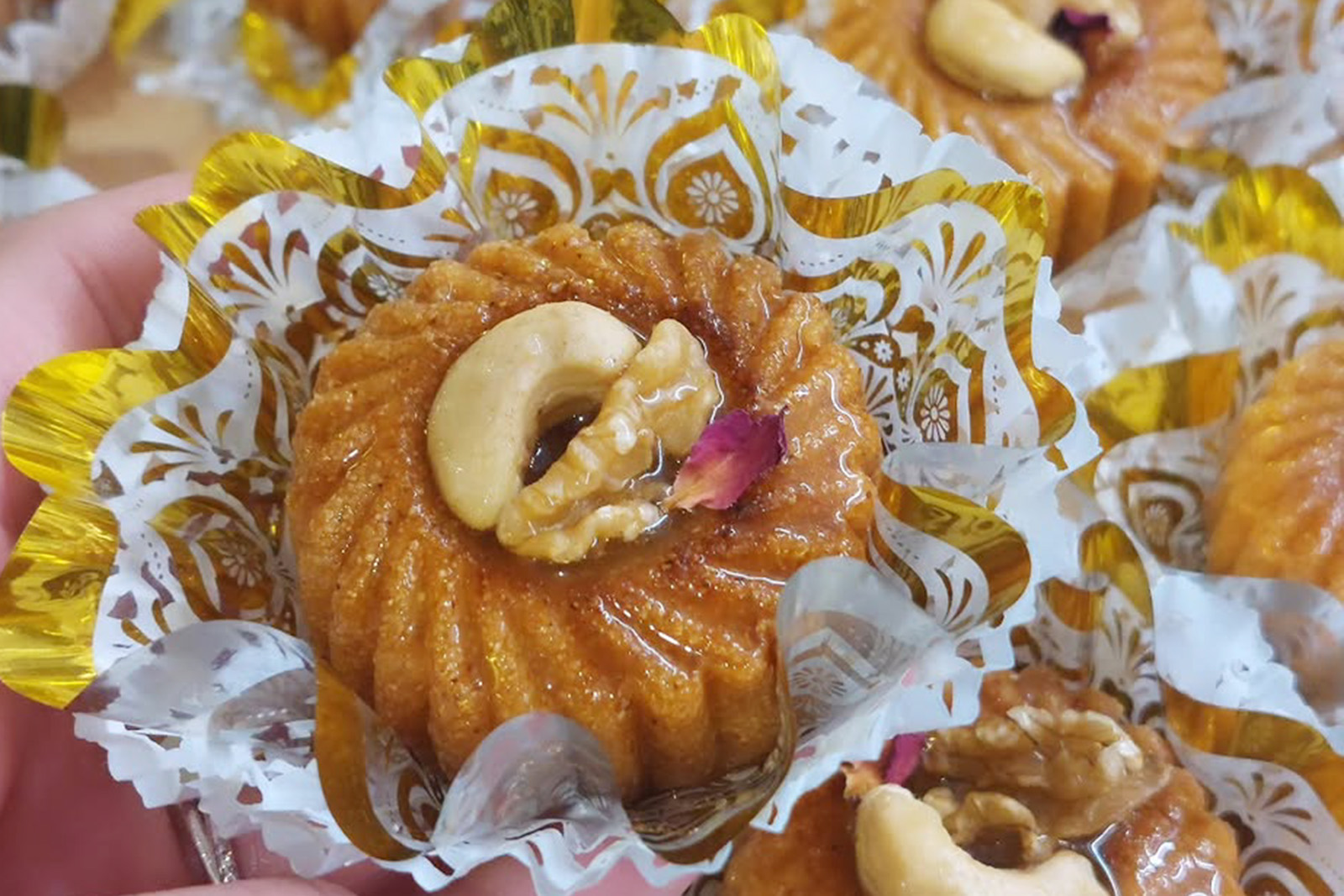
Further along the Côte d’Azur in Antibes, pastry chef Linda Djebri prepares traditional Algerian sweets — maqrūt and qalb al-lawz — using ingredients sourced from Algeria. The Muslim community there is “relatively small and discreet”, she said. Compared with Paris or Marseille, “Ramadan here feels low-key — but there is curiosity and respect”.
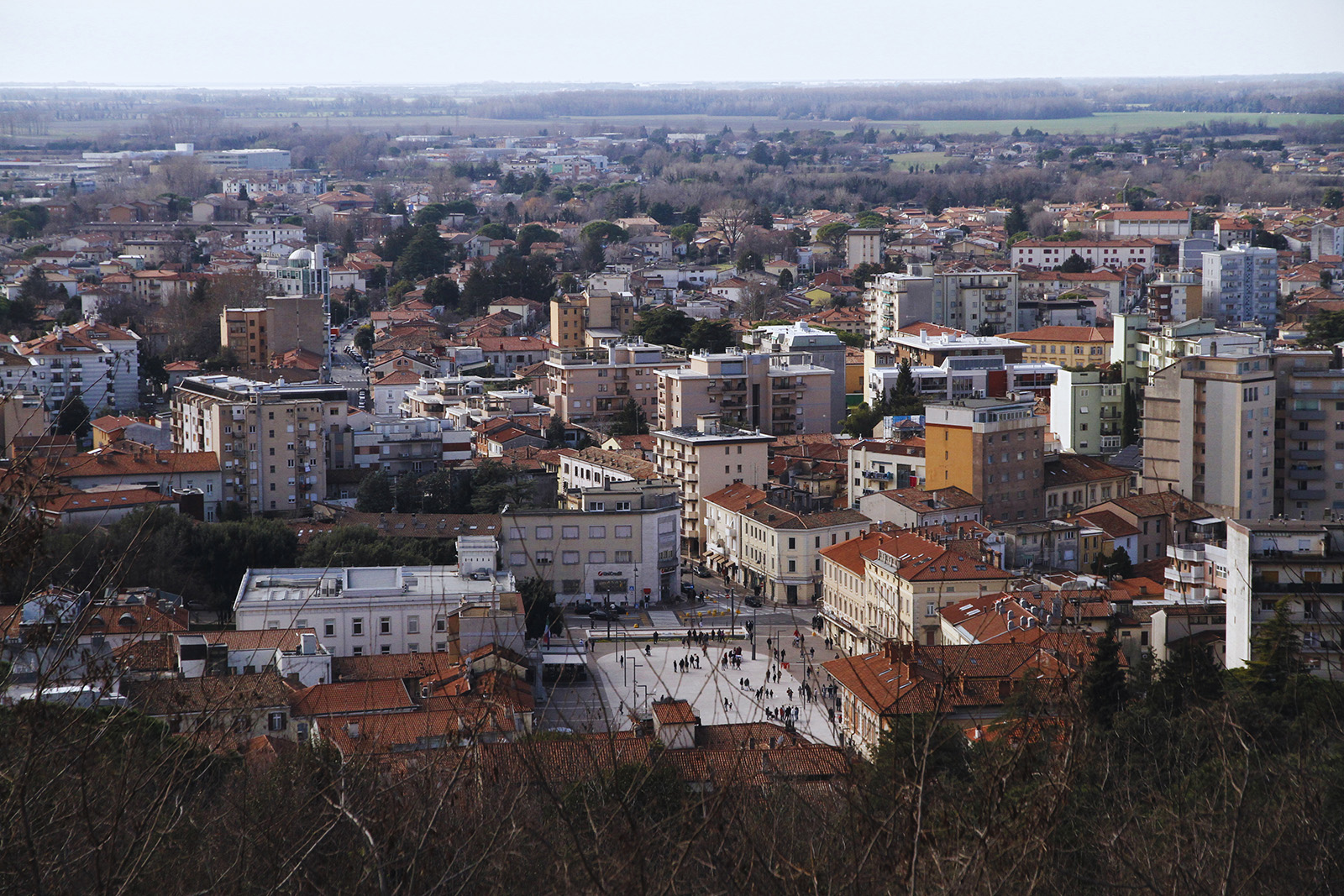
If Nice is defined by discretion, the atmosphere in Monfalcone, a port town in north-eastern Italy close to the border with Slovenia, is more confrontational.
On the first Friday of Ramadan, Muslim worshippers did not gather in town but drove elsewhere. Those without cars stayed home. Local authorities had denied permission for a public prayer space. The only authorised alternative was to meet in Staranzano, a nearby town — which will also host Eid celebrations banned in Monfalcone.
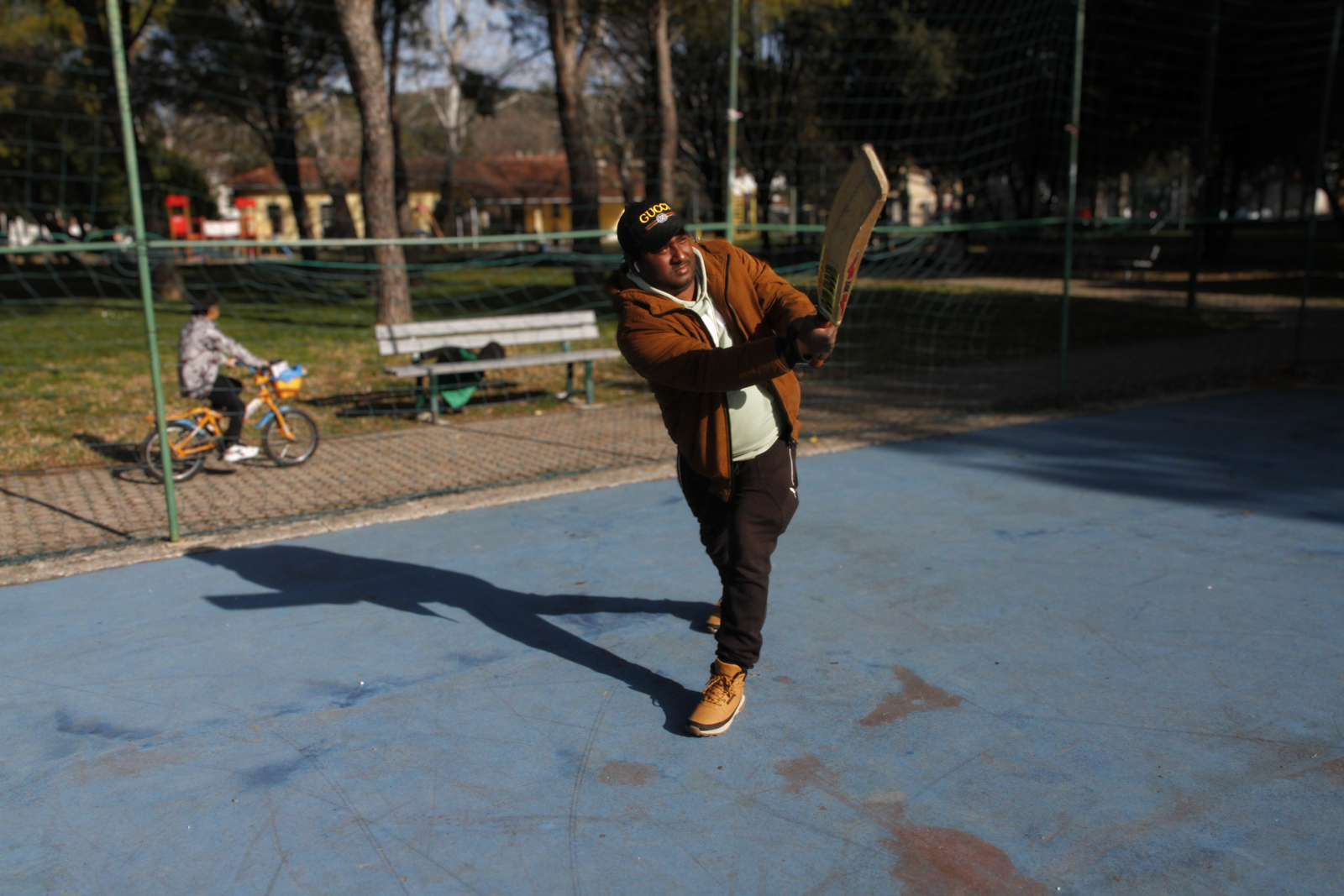
The dispute follows months of tension. When Hyphen reported from Monfalcone in 2025, the flashpoint was cricket. Informal matches played by Bangladeshi residents in public spaces had drawn restrictions from the town’s right-wing mayor, framed as an issue of public order. For the town’s roughly 5,000 Bangladeshis — almost one third of the population — the debate was about who has the right to use public spaces.
Ramadan has intensified that question. Since 2016, when an anti-Muslim mayor was elected, community leaders say each holy month has involved negotiations over where worshippers can gather.
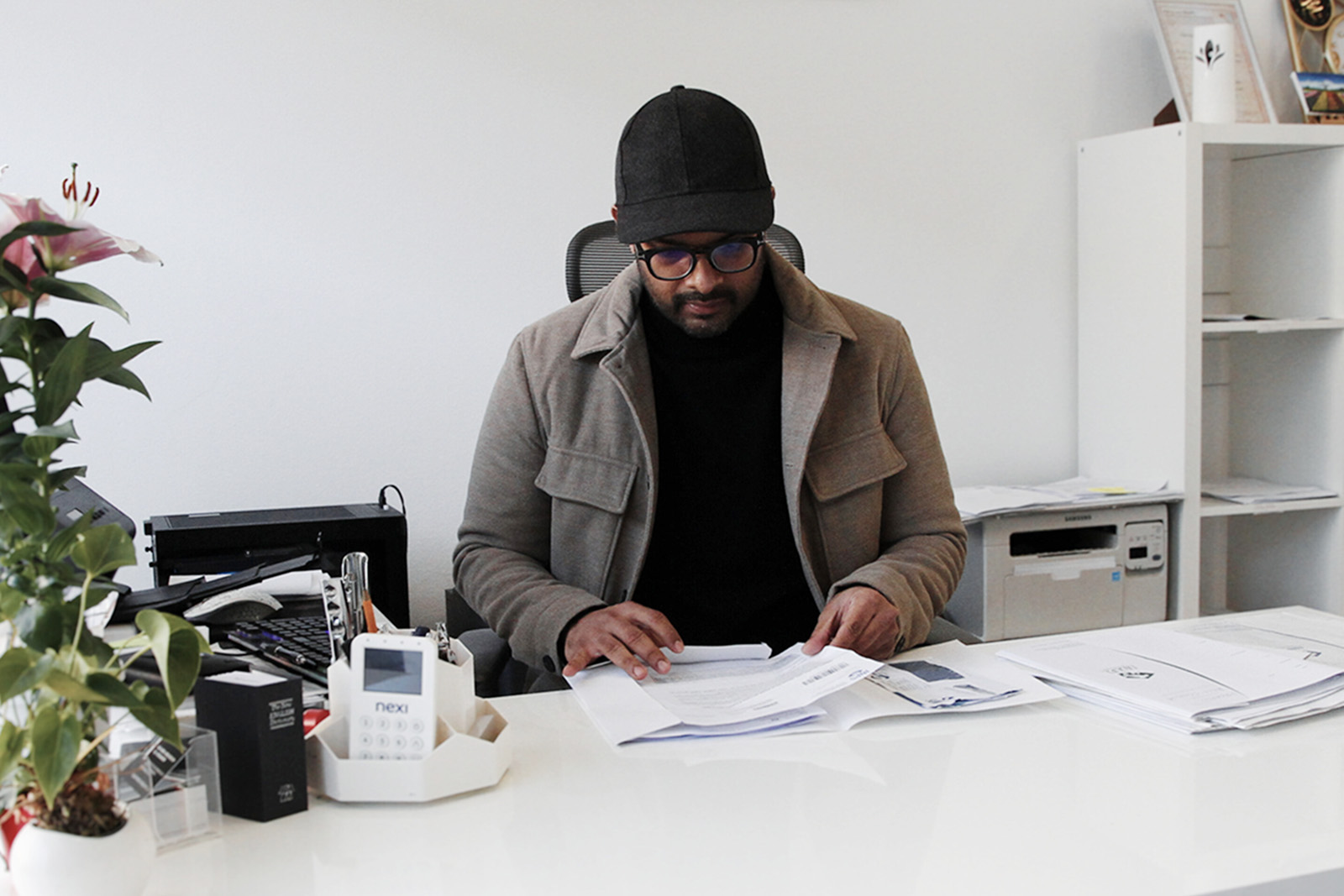
“As far as we can remember, we’ve had problems finding public spaces to celebrate,” said Masum Ahmed, a Bangladeshi activist who has lived in Italy since 2006. “But we always managed to find compromises with the city council. This year we’ve reached a new low.”
Sani Bhuiyan, a town councillor for the left-wing opposition and spokesperson for the Muslim community, said he requested use of a parking lot for Ramadan prayers and Eid celebrations. “It wasn’t ideal — if it rained there would be no roof — but it was better than nothing,” he said.
The request was denied by the local prefect.
“They say it’s not discrimination, but a matter of public order. But we know it isn’t,” Bhuiyan said. Even laying a prayer carpet outdoors could now bring a fine.
“We’re not protected.”
For Ahmed, the exclusion is deeply personal. “It breaks my heart to see people desperate about this situation — Bangladeshis who bought homes here but can’t pray in their own city,” he said. “Freedom of worship is a constitutional right in Italy.”
Further north, in the eastern German state of Thuringia, Ramadan unfolds in a similarly charged political climate.
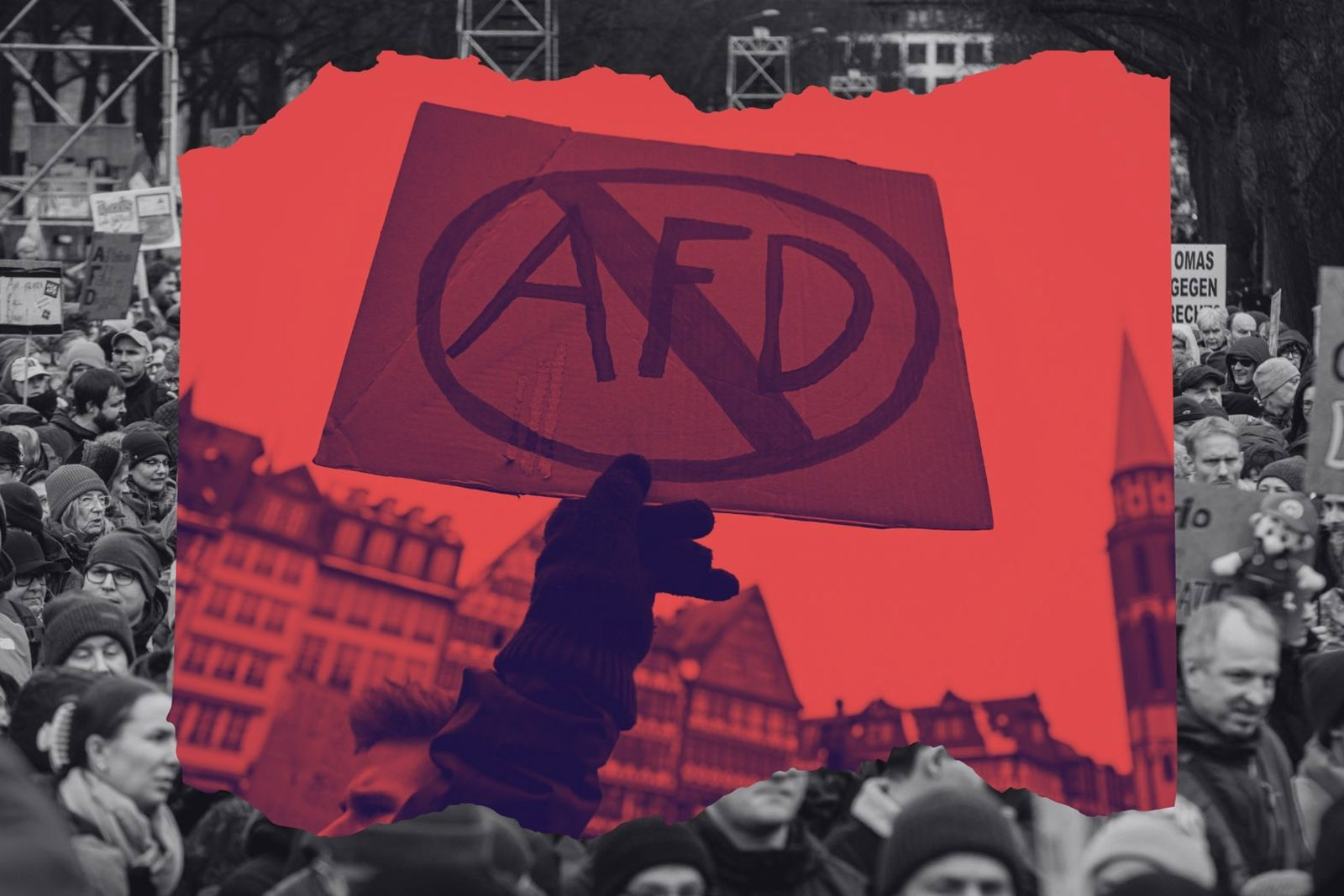
Reporting on the rise of the far right in Thuringia in 2024, Hyphen found a region grappling with economic stagnation, demographic decline and a lingering sense of marginalisation since the reunification of Germany. The Alternative für Deutschland (AfD) party has translated those grievances into electoral dominance, topping polls across the state and reshaping political discourse. Islam features prominently in the party’s rhetoric.
Thuringia’s Muslim population is small and concentrated in cities such as Erfurt and Jena. There are no formal restrictions on Ramadan gatherings. Mosques remain open and evening prayers proceed. But residents describe a more hostile atmosphere: headscarves attract longer looks and anti-Muslim comments in the street have become more common.
In Erfurt, the state capital, the Ahmadiyya community recently opened the first newly built mosque in the former East Germany since reunification. The community’s president, Suleman Malik, said members began searching for a site in 2009.
“We had a lot of opponents,” Malik said, recalling years of protests by local far-right groups. During one demonstration, activists erected metal crosses on the site and threw pig carcasses into it.
The mosque’s official opening ceremony in February took place under police protection, though it passed without disruption. Leaders from Catholic, Protestant and Jewish communities attended alongside local politicians.
For the Ahmadiyya community, celebrating Ramadan in their own mosque for the first time has been transformative.
“In previous years we hired community halls or gathered at people’s houses — it was always difficult,” Malik said. Now, he added, “the process of Ramadan feels more powerful”.
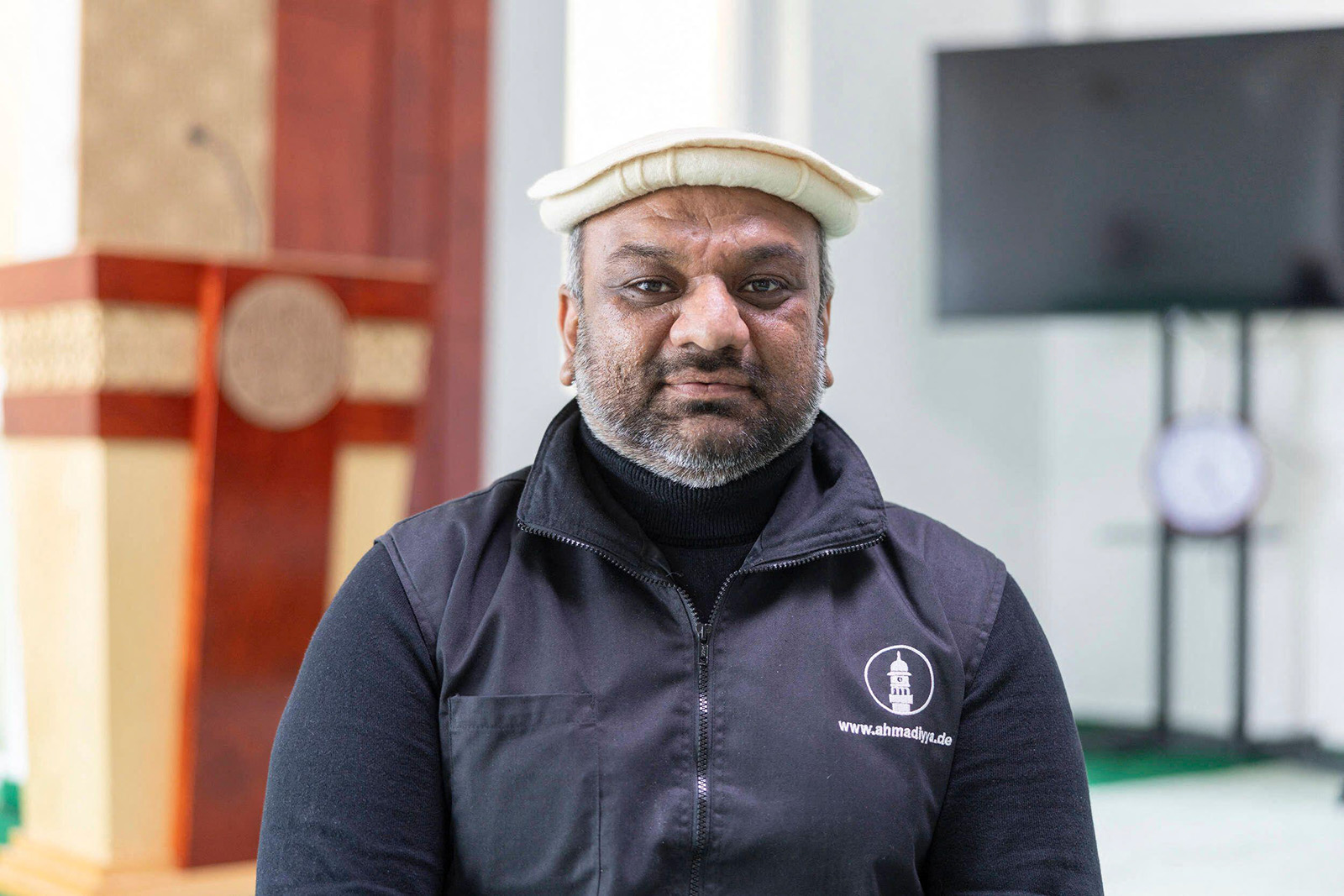
The congregation is preparing to celebrate its first Eid there, planning food and an open “day of joy” for neighbours. But vigilance remains necessary. In recent weeks, far-right activists have entered the mosque to film videos for social media.
“Unfortunately this is how society is now — the far right is constantly trying to divide people,” Malik said. Many members have fled persecution in countries such as Pakistan, where Ahmadis face discrimination. “We know how precious freedom of religion is,” he added.
Across Nice, Monfalcone and Thuringia, Ramadan this year is neither wholly embattled nor entirely ordinary. In Nice, it smells of honeyed pastries and evening meals shared after prayer. In Monfalcone, it means driving to a neighbouring town simply to gather. In Thuringia, it unfolds in a region where political rhetoric has hardened the atmosphere around Islam.
What unites these places is not a single experience of repression but a shared awareness that faith unfolds within politics. The rise of the far right in Europe is often measured in parliamentary seats and election results. During Ramadan, its effects appear in quieter ways, in who feels able to gather openly, where a prayer mat can be laid and how visible celebration can be.
As Ramadan enters its final days, carpets are washed, food baskets packed and sweets prepared for Eid. Families gather after sunset for the last evenings of fasting. Across Europe’s far-right strongholds, Muslims are marking the holy month much as they always have — together where they can and quietly where they must.