

The Oscars arrives at an uneasy moment for a US celebration of Iran
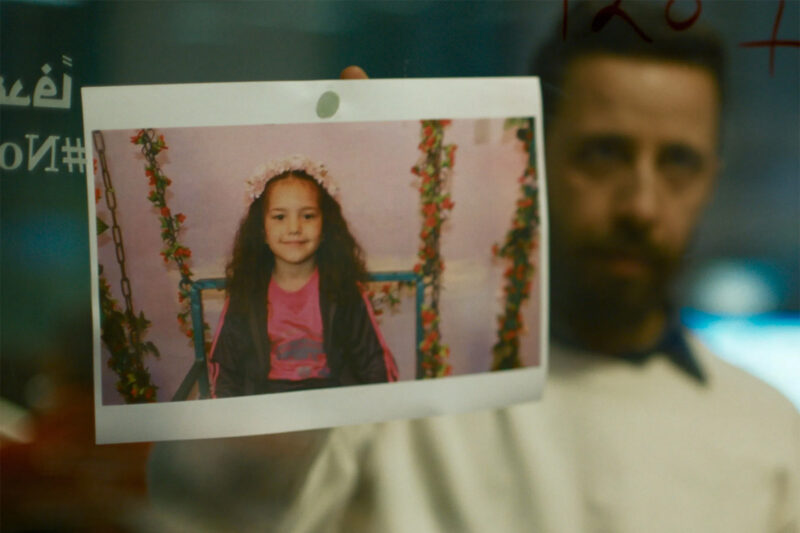
It feels both apt and surreal that so many Iranian films have emerged as key nominees at the Academy Awards, including It Was Just an Accident and Cutting Through Rocks

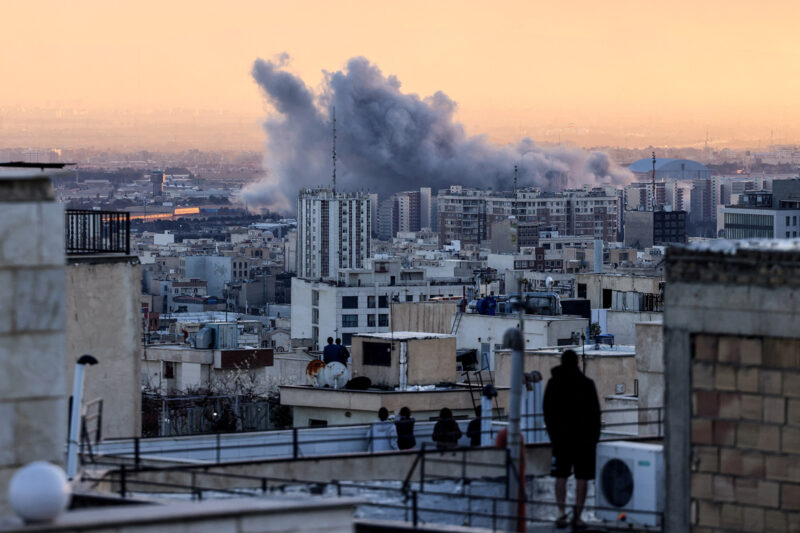
With ongoing brutality between the US and Iran and uncertainty about the Gulf’s future dominating global headlines, it seems both apt and surreal that so many Iranian creatives have emerged as key nominees across the Academy Awards, taking place in Los Angeles on 15 March.
Their presence is a reminder that Iranian culture cannot be reduced to geopolitical conflict or the actions of governments. There is no separating culture and politics. At a moment when war risks flattening entire societies, Iranian film-makers continue to inspire with stories about power and perseverance from its people. They have long used cinema to navigate censorship, critique power and document social realities that rarely appear in official narratives.
There is also the unavoidable dissonance. The Oscars remains Hollywood’s most glittering spectacle, a ritual of red carpets, jewels and self-congratulation in the form of gold statuettes. In any year, the ceremony can feel faintly absurd when set against concurrent global crises. But in 2026, with Iranian civilians living under both external and internal assault, the film industry’s most lavish night unfolds against a backdrop of pain that no acceptance speech can soothe.
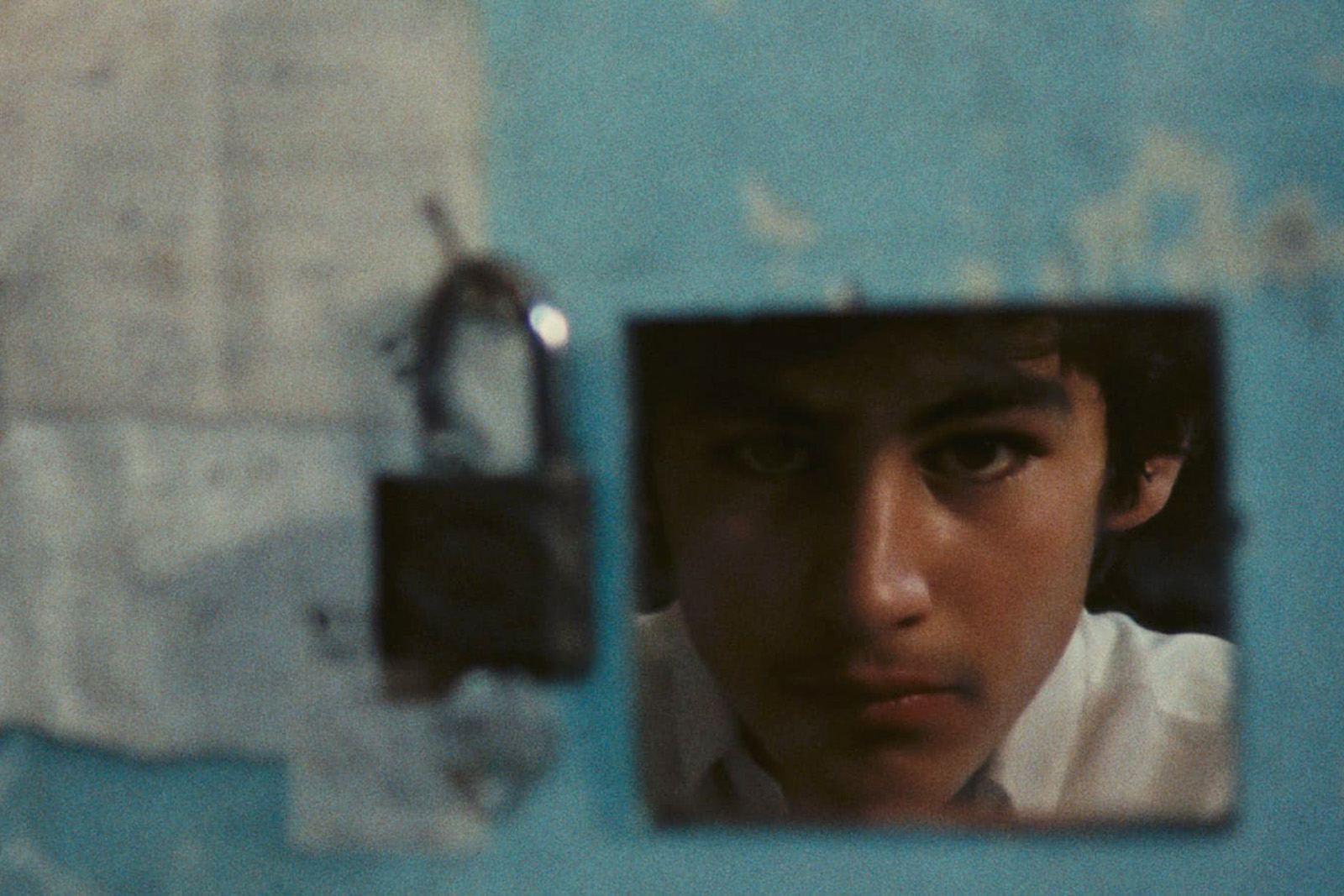
Iranian talent appears across several categories, with eight people nominated in total. It Was Just an Accident, the latest from director Jafar Panahi, is nominated for best international feature film and best original screenplay. The feature won the Palme d’Or at Cannes in 2025, cementing Panahi as one of the most celebrated film-makers in the world, having now won recognition at every major film festival. Taxi (2015) took the Golden Bear at Berlin and The Circle (2000) won the Golden Lion at Venice.
The documentary Cutting Through Rocks, directed by Sara Khaki and Mohammadreza Eyni, is up for best documentary feature, while acclaimed cinematographer Darius Khondji (Seven, Amour, Delicatessen) has received a nomination for his work on Marty Supreme, starring famed ballet and opera hater Timothée Chalamet.
Few non-English language film industries have had the cultural influence of Iran. Directors such as Abbas Kiarostami, Mohammad Rasoulof and Asghar Farhadi — whose A Separation (2011) and The Salesman (2016) both won best foreign language Oscars — have shaped contemporary arthouse film-making with works blending philosophical reflection with intimate depictions of everyday life.
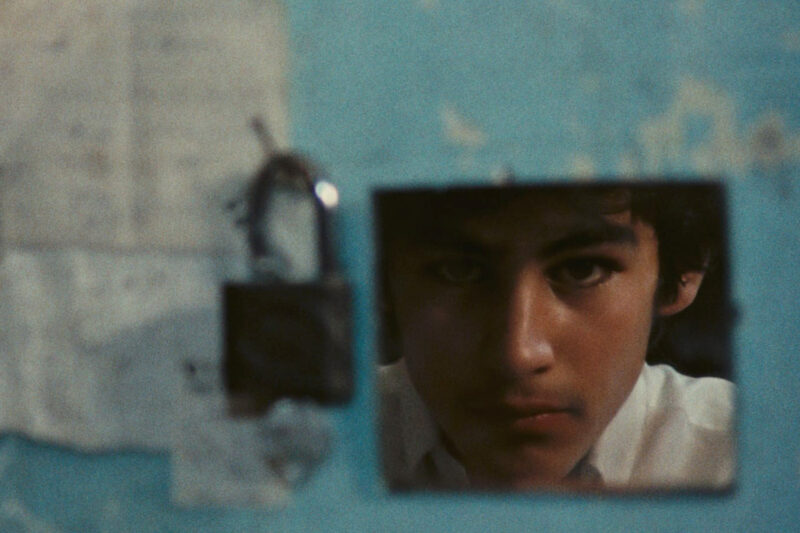
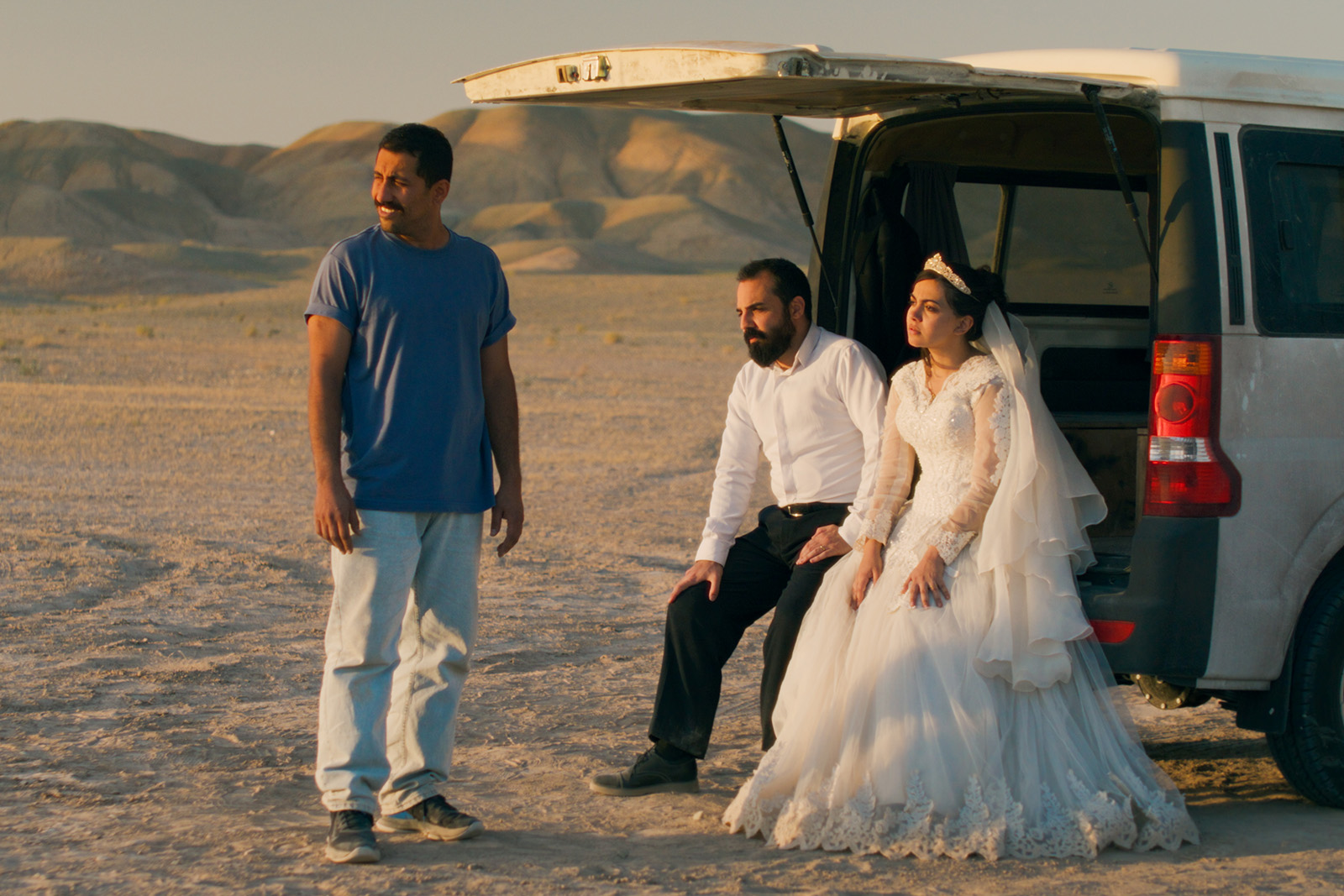
Panahi’s It Was Just an Accident continues this tradition while confronting the trauma of state repression more directly. The film follows a former political prisoner who believes he has identified the prison guard responsible for torturing him. Determined to take revenge, he abducts the man but hesitates, unsure whether he has captured the right person. The story unfolds as a tense journey through Tehran as other former prisoners weigh in on whether vengeance would deliver justice or further perpetuate a cycle of violence.
The moral dilemma reflects Panahi’s own experience. The director has repeatedly been imprisoned by Iranian authorities for his art or banned from directing for long periods. Journalist and activist Mehdi Mahmoudian, who collaborated on the screenplay, has also been incarcerated several times.
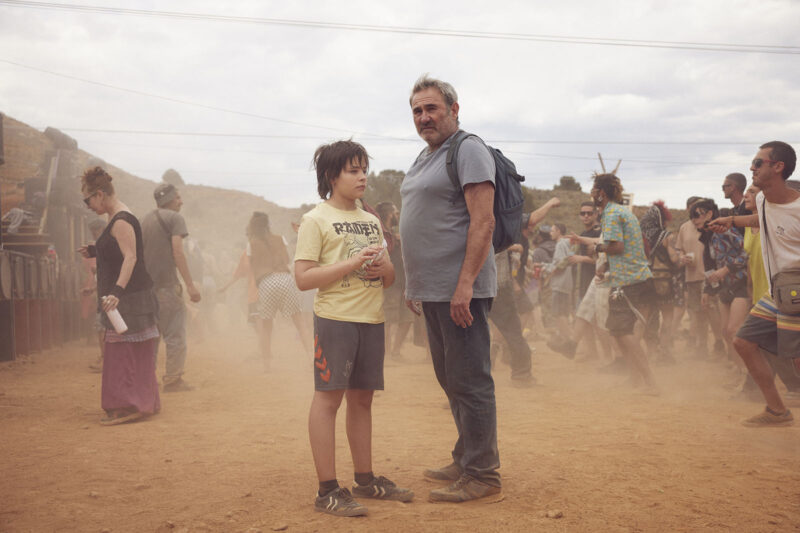
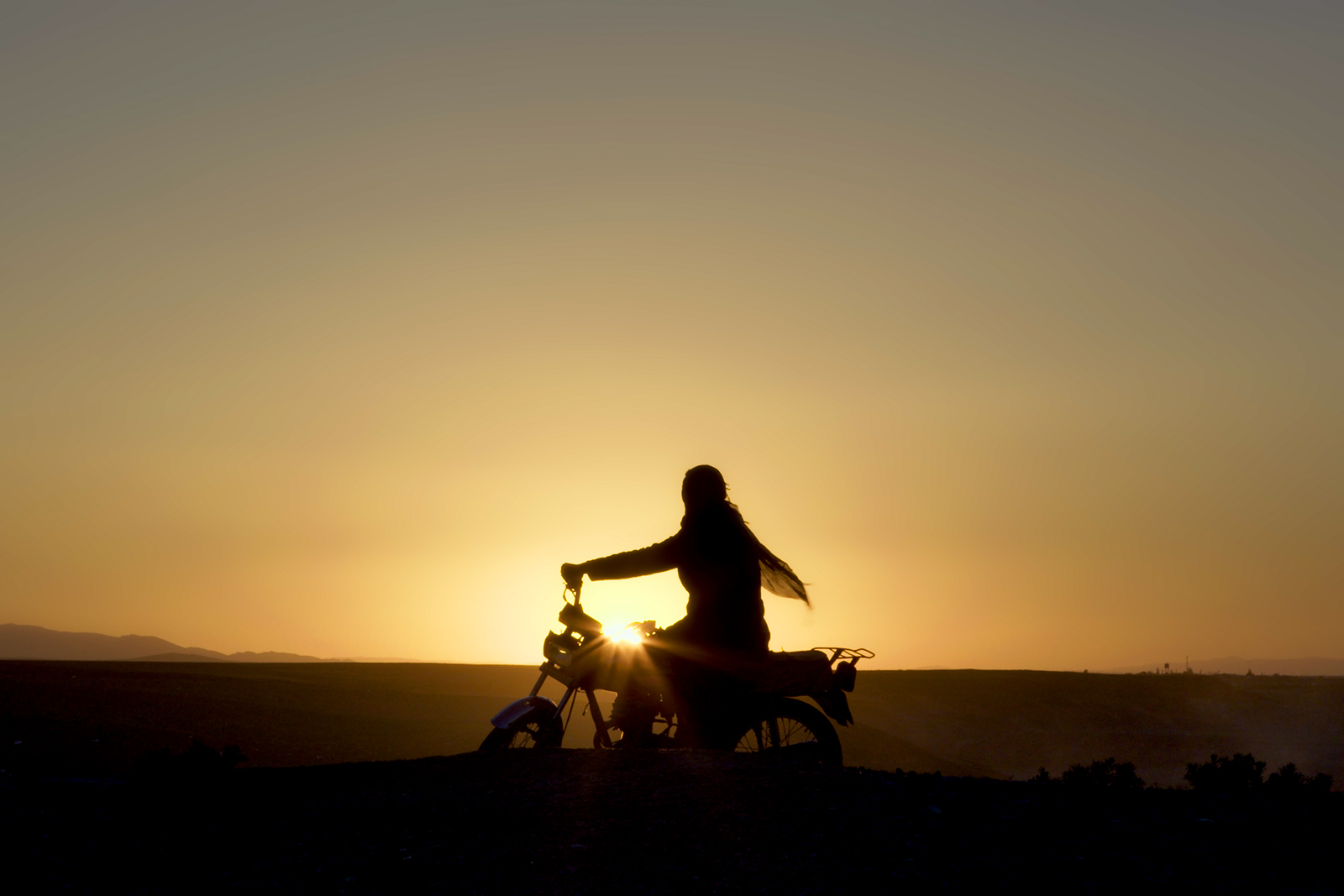
While Panahi’s film grapples with political trauma and is forced to operate as outsider art, Cutting Through Rocks tells a story of resistance unfolding within everyday life. Khaki and Eyni’s documentary follows Sara Shahverdi, a midwife in rural north-west Iran who has become an advocate for women in her community.
Shahverdi has long challenged expectations in her conservative village. She rides a motorcycle in public, lives independently after a divorce and refuses to accept the societal limitations placed on women. The documentary follows her campaign to become the first female councillor in the region. What begins as a local politics story becomes a broader portrait of gender inequality.
Her victory at the ballot box marks a truly inspiring moment of progress, though we then witness the backlash that follows.
Unsurprisingly, the film-makers faced obstacles themselves. Over the eight years it took to complete, Khaki and Eyni encountered interrogations, had equipment confiscated and their travel restricted by officials. At one point they were prevented from leaving Iran for a year. When the documentary was nominated for an Oscar, internet shutdowns following nationwide protests made it difficult to even share the news with Shahverdi.
Another Iranian voice appears through the New York-set sports drama Marty Supreme, which follows an ambitious young table tennis prodigy determined to be the best in the world. Khondji, the film’s Oscar-nominated cinematographer, was born in Tehran before building a career across European and American cinema, part of a growing Iranian international diaspora that has become a crucial part of global film-making.
For decades, Iranian film-makers and creatives have navigated near insurmountable obstacles to make works that resonate far beyond their country’s borders. Their presence at the Oscars in 2026 is a reminder that even in moments of global crisis, red carpets can occasionally illuminate the human stories that political posturing obscures.