

Labour MPs say Mandelson scandal is awful for Starmer — and self-inflicted
Documents relating to the appointment of the former US ambassador may not contain a smoking gun but the PM’s judgment is under fire from all sides

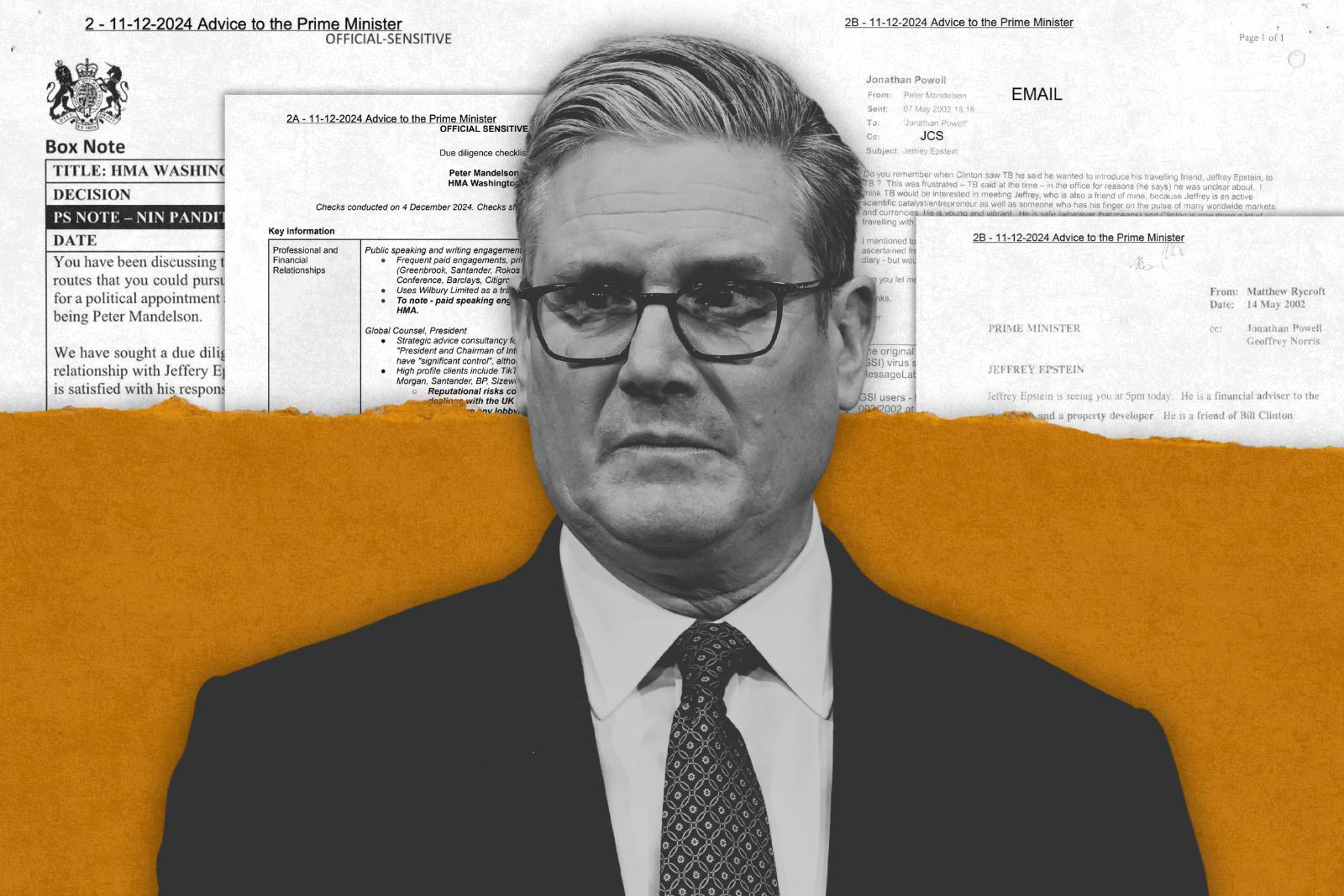
Journalists in Westminster and beyond have spent the best part of the last 24 hours picking over a 147-page document filled with details about Peter Mandelson’s appointment and removal as ambassador to the US. The first batch of what was once intended as private correspondence and documents gives us an insight into the discussions that went on behind closed doors about this entire scandal – and pile pressure on a government that has been dealing with a self-inflicted wound it could have avoided.
There are two headline takeaways from the documents. The first is that concerns were raised with Keir Starmer prior to Mandelson’s appointment that choosing him as the UK’s man in Washington was hugely risky.
Related content
Civil servants spelled out their concerns in formal advice to the prime minister in December 2024, before the appointment was confirmed. They noted that Mandelson had stayed at Epstein’s Manhattan townhouse while the convicted sex offender was serving a prison sentence for soliciting sex from children. Their report referenced a 2019 JP Morgan document stating that Epstein had a “particularly close relationship” with Mandelson. It traced the connection back to 2002, when Mandelson wrote to Jonathan Powell — who was Tony Blair’s chief of staff at the time — recommending that the then prime minister meet Epstein.
The report noted the “general reputational risk” of appointing Mandelson and warned that a personal political appointment instead of a diplomatic one carried elevated danger for the prime minister. “If anything goes wrong,” the civil servants wrote, “you could be more exposed as the individual is more connected to you personally.”
Starmer read this and decided to hire Mandelson anyway.
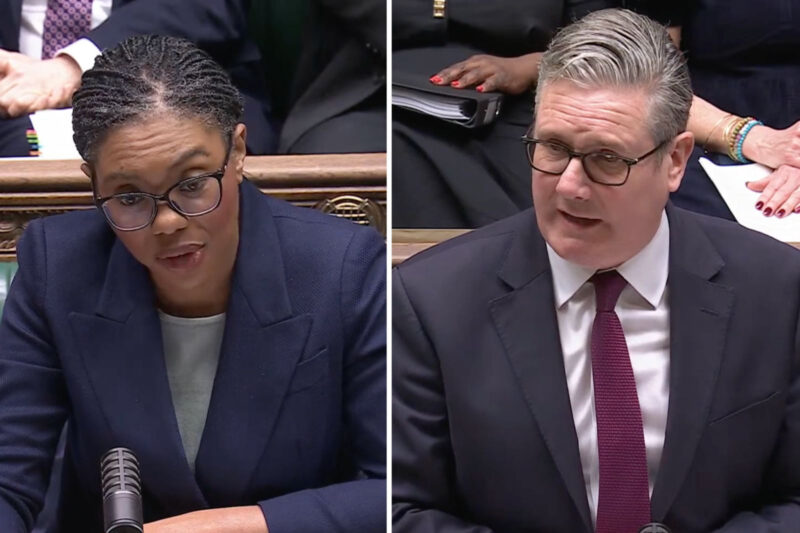
The government’s defence, offered by cabinet minister Darren Jones in the Commons on Wednesday, is that the due diligence around Mandelson “fell short of what is required”. As the documents show, Mandelson was asked questions by Starmer’s then-communications director Matthew Doyle, who was “satisfied with his responses”.
Jones also confirmed that not all documents had been released, with a large number having been withheld at the request of the Metropolitan Police to protect their criminal investigation.
Those withheld documents matter enormously. The specific questions about what Mandelson said about his friendship with Epstein — and who was actively championing his appointment as US ambassador — remain unanswered. Until we know, Starmer cannot fully demonstrate that he was genuinely misled rather than merely allowing himself to be reassured. As one Labour MP put it to me: “It looks like the prime minister was warned. He took the risk, so this is all about his judgment.”
In private, nearly every Labour MP I have spoken to about this scandal describes it as an awful situation that is entirely self-inflicted by the government. As one put it bluntly, no part of this looks good, and it is the kind of crisis that simply could have been avoided.
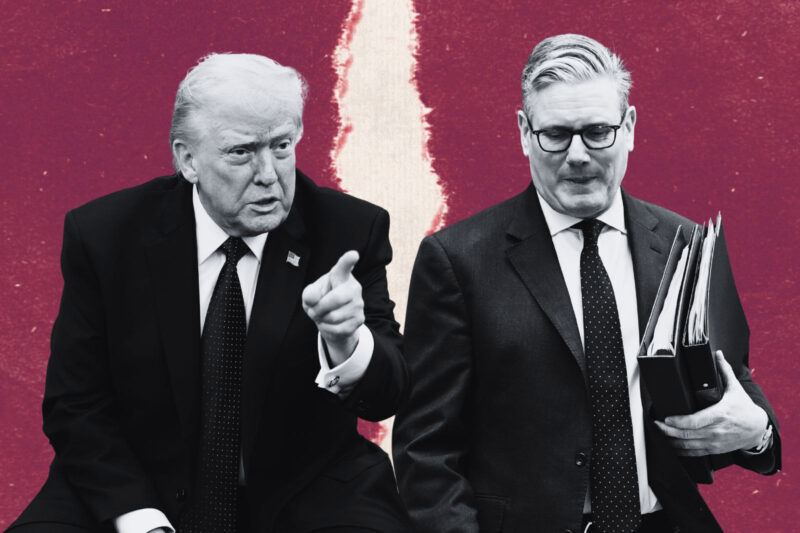
Political commentators have argued that the choice to override the concerns about risk came down to the feeling that Mandelson would be effective in Donald Trump’s Washington because of the circle he keeps — that his personality, his bravado and his ability to network were all viewed as positives in this scenario. But it is an argument that no one in the government has yet made and nor do the documents contain it.
What they do show is that Mandelson was offered the role and received high-tier security briefings before completing the formal vetting process — this, I’m told, is not unheard of for sensitive diplomatic posts, but in these circumstances it has raised a lot of eyebrows. The documents even show that Powell, who is now the government’s national security adviser, said that he found the whole process “weirdly rushed”. Morgan McSweeney, then chief of staff, appears to have waved it through, saying simply in another part of the document bundle that all issues “had been addressed”.
I put all of that to a Labour MP who is usually quite supportive of the prime minister. She told me: “Just feels like it was a bunch of men not even considering why being associated with this was unacceptable. It was a choice, and a rotten one.”
There’s also fascinating detail about the severance payout. When Mandelson was sacked in September 2025, he demanded more than £500,000 — the remainder of his four-year contract. He was eventually persuaded to accept £75,000. An internal email, now public, noted that a government official had done “very well to get this settlement down this low with minimal fuss”. Mandelson wrote that his “chief concern” was leaving Washington and arriving in London “with the maximum dignity and minimum media intrusion” — adding, in what a senior Labour figure described to me as “a characteristic sense of entitlement”, that he remained “a crown/civil servant and expected to be treated as such”.
Related content

The settlement and the manner of it have landed badly. This is a man who has since been arrested on suspicion of passing sensitive government information to a convicted paedophile, negotiating a sizable departure package far greater than the average annual salary in the UK.
The trouble for the government is that none of these files answer the burning questions about who was responsible for all of this and why the prime minister ultimately made the decision. There is also more to come — a second tranche of documents will be released once the Metropolitan Police can determine which of them will not prejudice the criminal investigation into Mandelson’s alleged misconduct in public office. Some files are also being reviewed by the government’s intelligence and security committee for national security redactions. Each batch carries the same risk: that it will contain a smoking gun causing even more damage to the government.
For now, that doesn’t quite exist. There is no memo that says “do not appoint” in big bold letters. Instead, there is a body of evidence that Starmer, having been told the risks in plain language, trusted his political instincts over the reservations of the officials around him — and is now dealing with the consequences.
Shehab Khan is an award-winning presenter and political correspondent for ITV News.