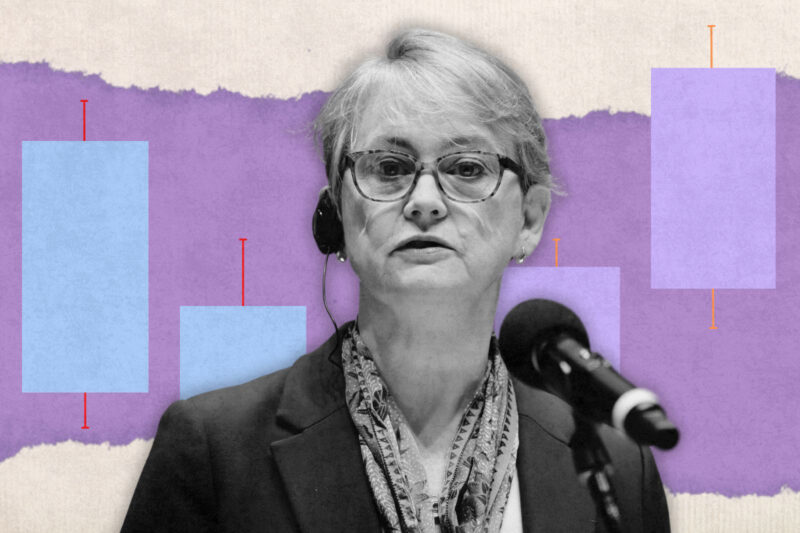


Faith minister Miatta Fahnbulleh: why we’re launching a review of ESOL services
Writing for Hyphen, Fahnbulleh says her own experience shows the value of learning English and warns of migrant women being ‘locked out of society’
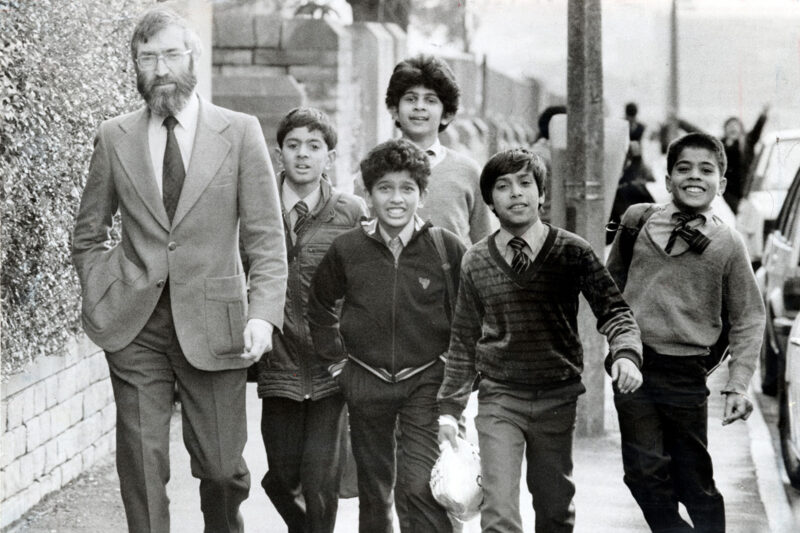
When I arrived in Britain as a young child seeking refuge, I came with a fear of the unknown.
But I also came with hope. My family made a new life here through community — neighbours, teachers and friends who helped us find our feet.
And a vital part of that story is the power of language.
In London, I grew up surrounded by a mix of accents, cultures and histories. One thing was clear: being able to speak English helped us connect, share our experiences and contribute to the country that became our home.
Related content
So I know what it means to find your voice in a new place. And I know the price people pay — especially women — when you don’t.
As a government, we believe in confronting difficult issues head-on — in strengthening local communities and bringing people together.
And that’s why the importance of being able to speak English was one factor that shaped Protecting What Matters, the action plan we are publishing today.
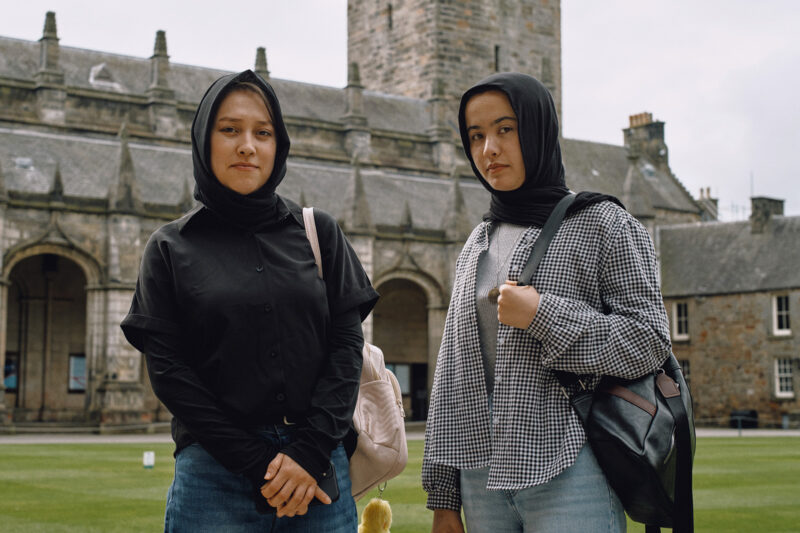
When a mother cannot speak to her child’s teacher, join a residents’ meeting, challenge her landlord about damp walls, argue for fair pay or speak to her doctor, daily life becomes a series of hurdles.
And for too many women from migrant backgrounds, language can be the difference between isolation and independence.
Being unable to speak English becomes not just an inconvenience but a cage. They are locked out of society altogether.
Let’s be clear. In our diverse and multicultural country, encouraging English isn’t about erasing our differences or closing a door on who we are.
It’s about everyone being able to play a full part in neighbourhood life, finding jobs and hobbies that match their skills and understanding their rights. It means they can be heard.
Far from diminishing our cultural identities, my own journey showed it adds to them. Speaking English establishes a common ground where our cultures meet and our stories and experiences can be shared.
And belonging matters not as a soft add-on to our economic mission but as the foundation of it.
Everyone needs a decent job and a safe home. But everyone also needs to feel part of something bigger. That is what makes a country.
Protecting What Matters is our plan to rebuild the bonds that make this country truly great, choosing renewal over decline, unity over division.
Our aim is to look at how English language teaching is currently provided to see what works best; and how new ways — including digital options — could help more people learn to speak it.
That’s because when people can’t talk to each other, society begins to break down. Diversity has long been our strength, yet the ties that bind us are unravelling. Global conflicts, economic shocks, rapid technological change and extremist movements have taken their toll.
We see this in the deepening divisions, the weakened trust and the way people are so ready to weaponise grievances for their own ends.
That is not the future we want — and it doesn’t have to be.
Our plan goes further than language to help us also tackle extremism, build resilience and support integration — practical steps that bring communities together.
Because I have seen the unity that makes Britain great: the Britain where Jews, Muslims and Christians — people of all faiths and none — come together in solidarity after attacks on places of worship or violence on our streets, where neighbours look out for each other regardless of creed or colour, where people find real answers to the challenges they face — together.
That is what real patriotism looks like: solidarity, community and shared purpose. Our shared language makes that possible.
Related content

That’s how trust is built and friendships made across divides. How a street becomes a community and communities become a country.
The plastic patriots want a simple answer, but there isn’t one. Social cohesion takes time and hard work. It is built slowly, in thousands of small interactions, every single day. A conversation at the school gate or a neighbour helped becomes a barrier broken down.
Our job is to remove the obstacles between people and let communities do the rest. That is the Britain that our plan for renewal and reform supports. That’s the future we are choosing today: a Britain where people look out for one another, where we look after each other. It’s a Britain we can only build together if we can talk together.
Miatta Fahnbulleh is Labour MP for Peckham and the government’s minister for devolution, faith and communities.