

Engagement with faith groups on public health is too limited, doctors warn
Study in British Medical Journal says health chiefs should work on building longer-term links — as Ramadan glaucoma campaign shows how it can work
British public health chiefs should focus on building long-term partnerships with faith communities if they want to tackle health inequality between different ethnic groups, doctors have urged following a study for the British Medical Journal.
The paper examined a decade of research on faith community engagement in public health initiatives, finding that faith communities can play a vital role in combating ethnic health inequality but that this potential remains underused.
“Over the past decade, community engagement is increasingly positioned as a route to improving reach, acceptability and cultural alignment of public health action,” said study author, Datapwa Mujong, a GP and public health researcher at Imperial College London. He added that the Covid pandemic — which saw, for instance, religious spaces used to deliver vaccines — was a major catalyst for the increased focus among public health experts on faith groups.
“However,” he said, “our review also suggests that faith communities are often engaged within a limited scope. They are often engaged locally, and often focused on health education.”
Related content
Mujong said that faith engagement should be embedded within “systemic architecture” of the UK health system through planning, commissioning and governance as well as increased faith literacy among health workers.
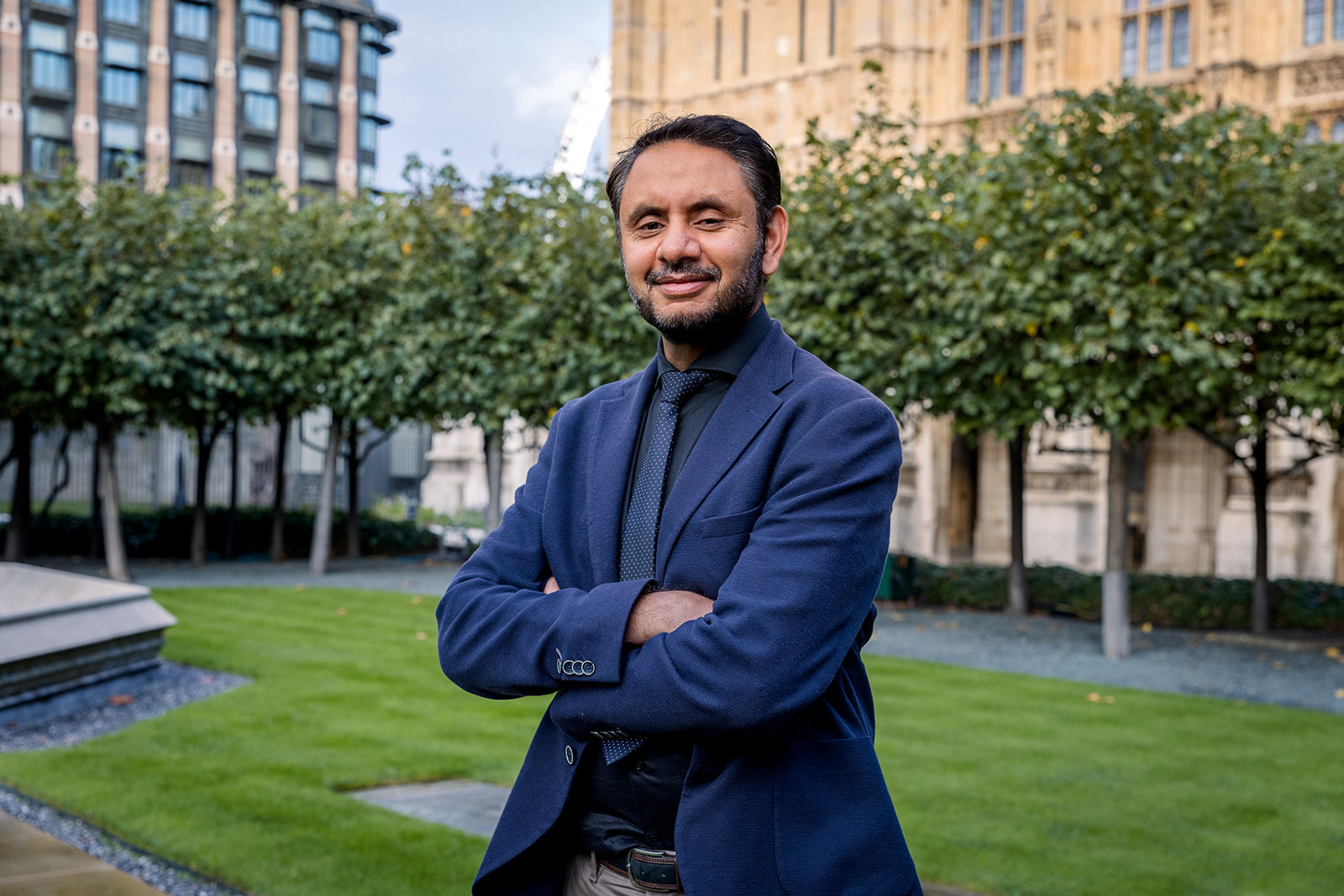
“We all have to take responsibility,” said independent MP for Leicester South, Shockat Adam. “Disparity in healthcare between certain ethnic minorities who then belong to a certain faith group is unacceptable. A decade difference in life expectancy for people of different socioeconomic backgrounds is unacceptable.”
Adam also said that engagement with faith communities over health initiatives was not uniform across the UK, and was needed at all levels of healthcare systems.
“We need to look at healthcare all the way from medical trials, where people from certain ethnic backgrounds are often underrepresented, to health education,” he told Hyphen. “It has been shown that, whether it is cancer care or maternity, they are not getting the care they need.”
Ramadan, he added, can be a great opportunity for health outreach within the Muslim community.
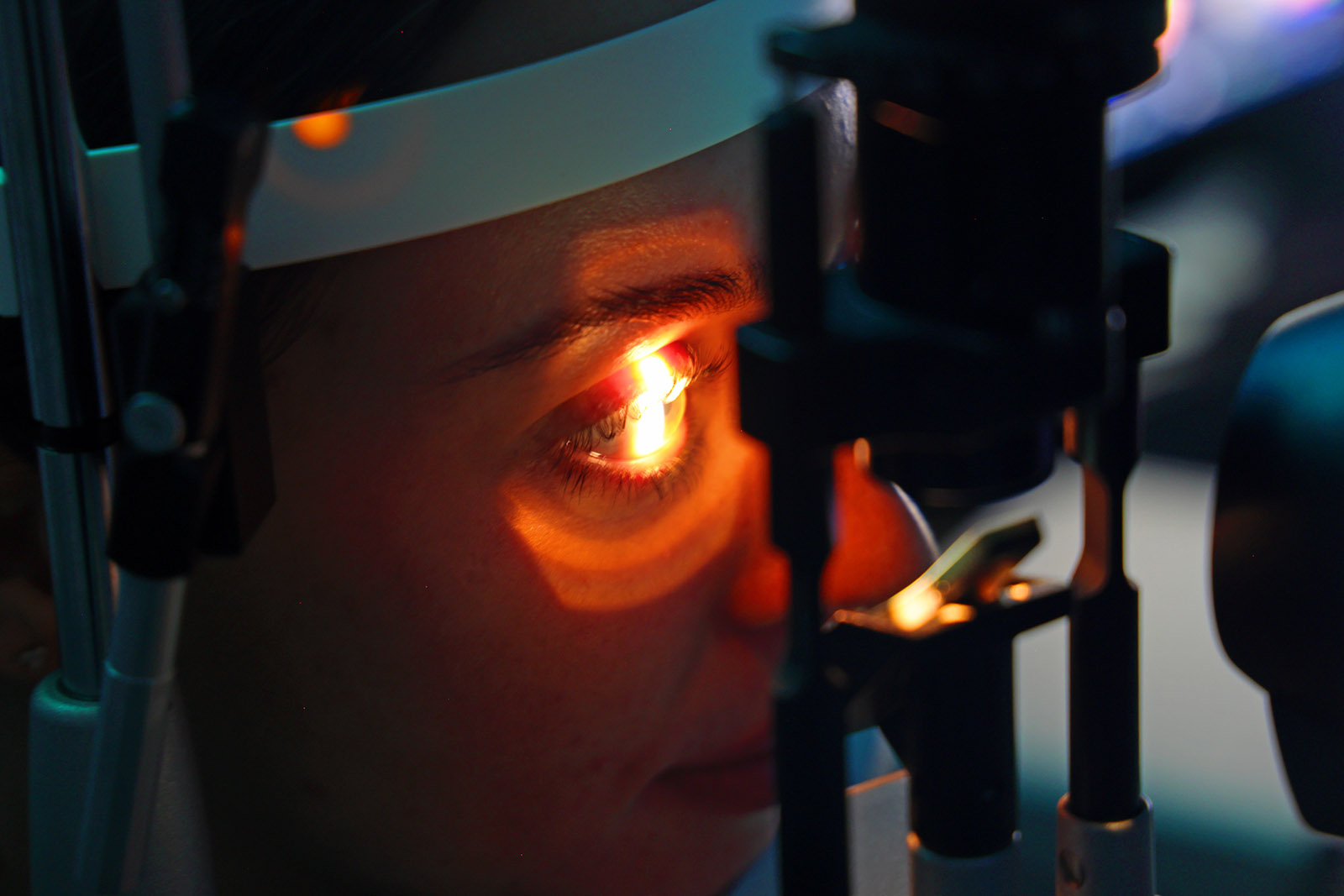
This year, the charity Glaucoma UK is running its eighth annual Ramadan campaign in partnership with the Muslim Council of Britain and British Islamic Medical Association (Bima). Through a series of posters and videos, Glaucoma UK is encouraging people to continue taking eye drops throughout Ramadan.
“Many people are worried that by taking their eye drops during Ramadan they are risking their fast,” said Mahnoor Khan, the optometry lead at Bima. “We tell people that they can time their eyedrops so they only take it after the sun sets and before the sun rises, or if they have to take it during the day, they can press down their tear ducts to make sure that none of their drop goes to their throat.”
According to Glaucoma UK, up to 45% of UK Muslims believe that using eyedrops can compromise their fast.
“We have seen cases of patients who suffered permanent health damage due to stopping their glaucoma medication,” Khan said.
Related content
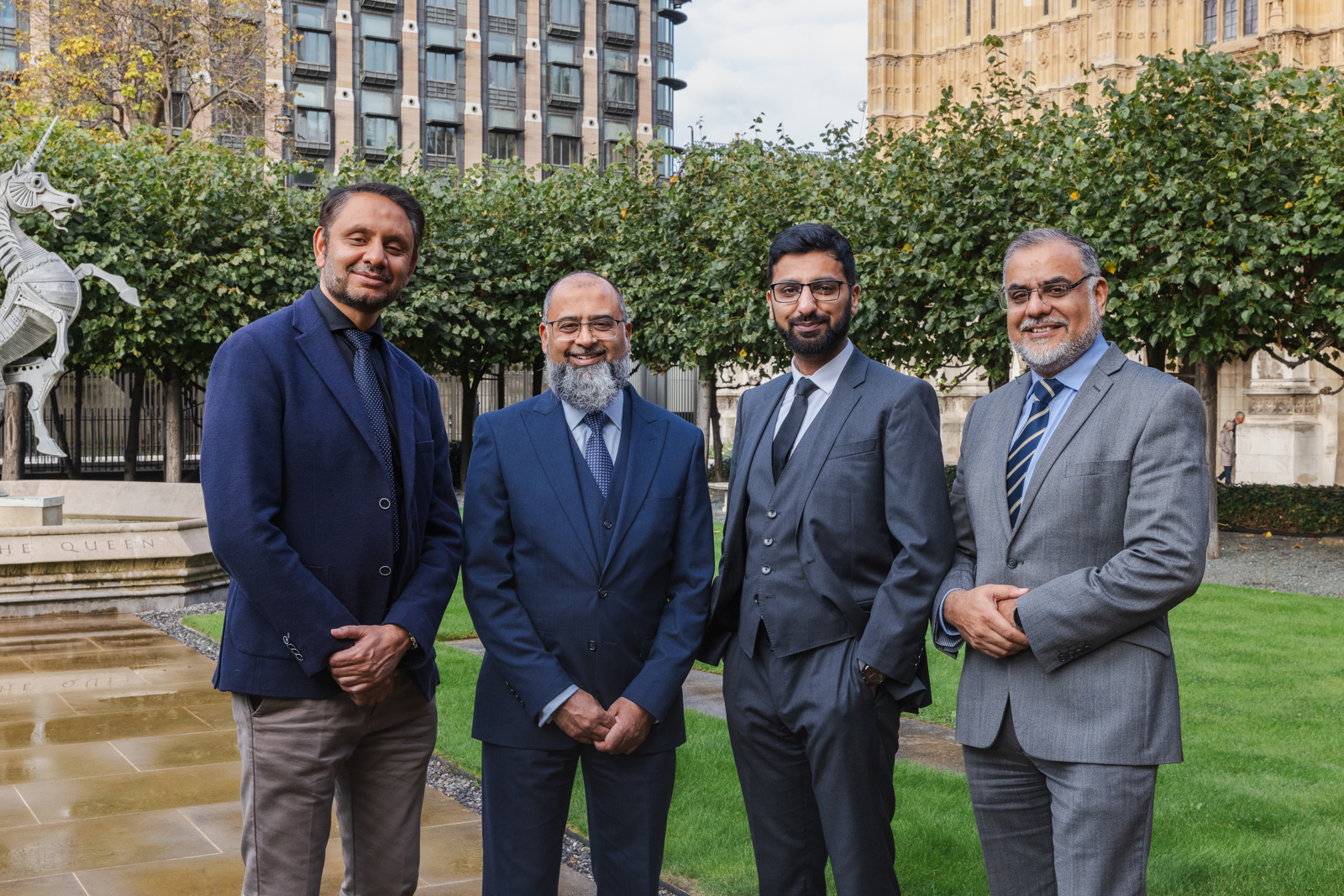
Adam, who is an optometrist, said he had also encountered this problem.
“When I wanted to do a supplementary examination which required eye drops, many patients would refuse because they thought that it would make their fasting invalid,” he said.
As a Muslim himself, Adam was able to guide his patients to reliable religious information. But his non-Muslim colleagues lacked this specialist knowledge. “Having guidelines from a respectable organisation like MCB and Bima is very appreciated,” he said.
Like many of the initiatives detailed in the BMJ study, the glaucoma Ramadan campaign started as a grassroots project, in this case in Kent, with the involvement of a local Muslim ophthalmologist. Over the years it was expanded to cover the whole country.
“A one‑size‑fits-all approach to awareness doesn’t always reach those who are most affected,” said a spokesperson from Glaucoma UK.