

The poetic heart of Abdullah Miniawy’s restless sonic explorations
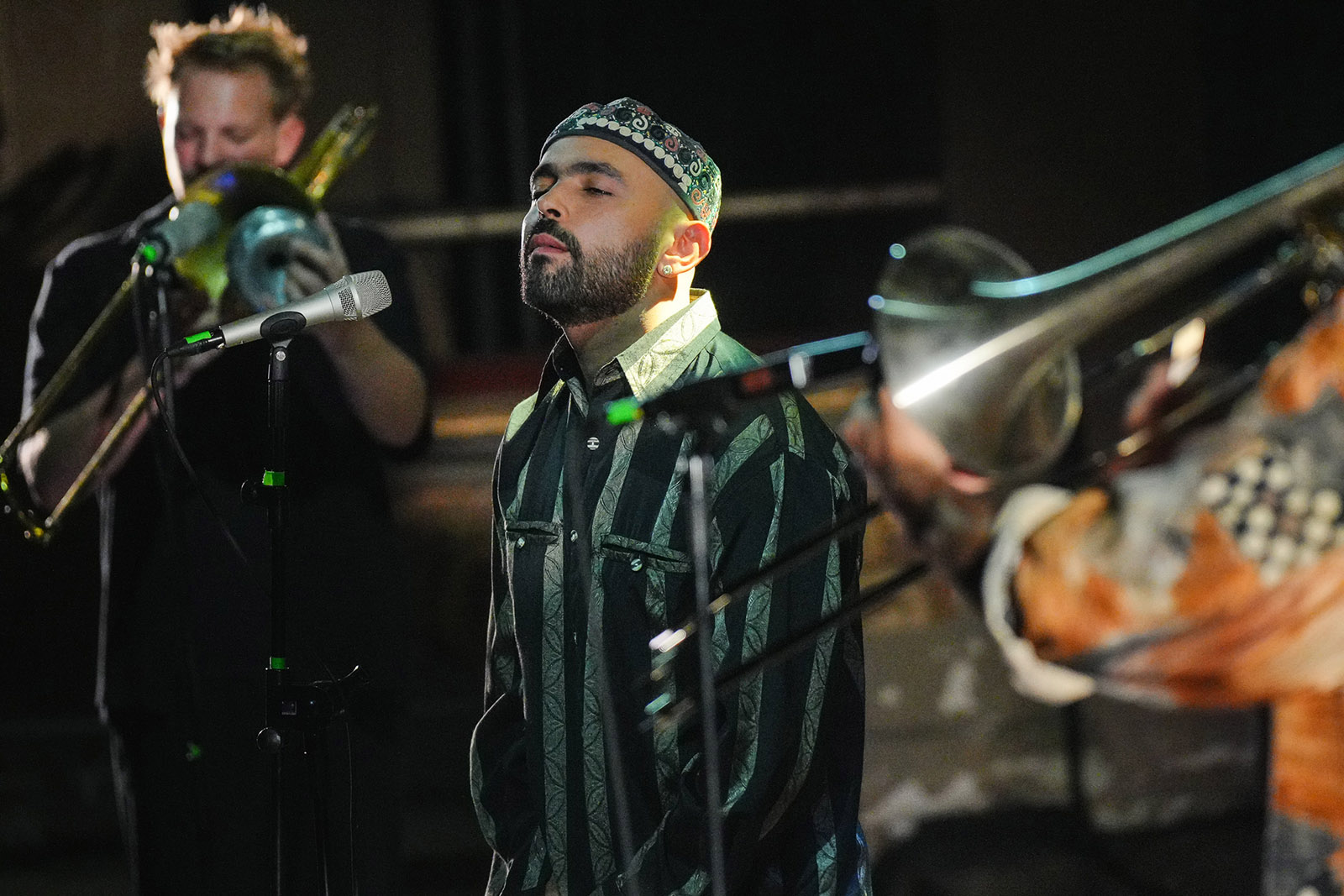
A new collaboration between the Egyptian multidisciplinary artist and French electronic producer Simo Cell is the latest in a long line of boundary-defying projects
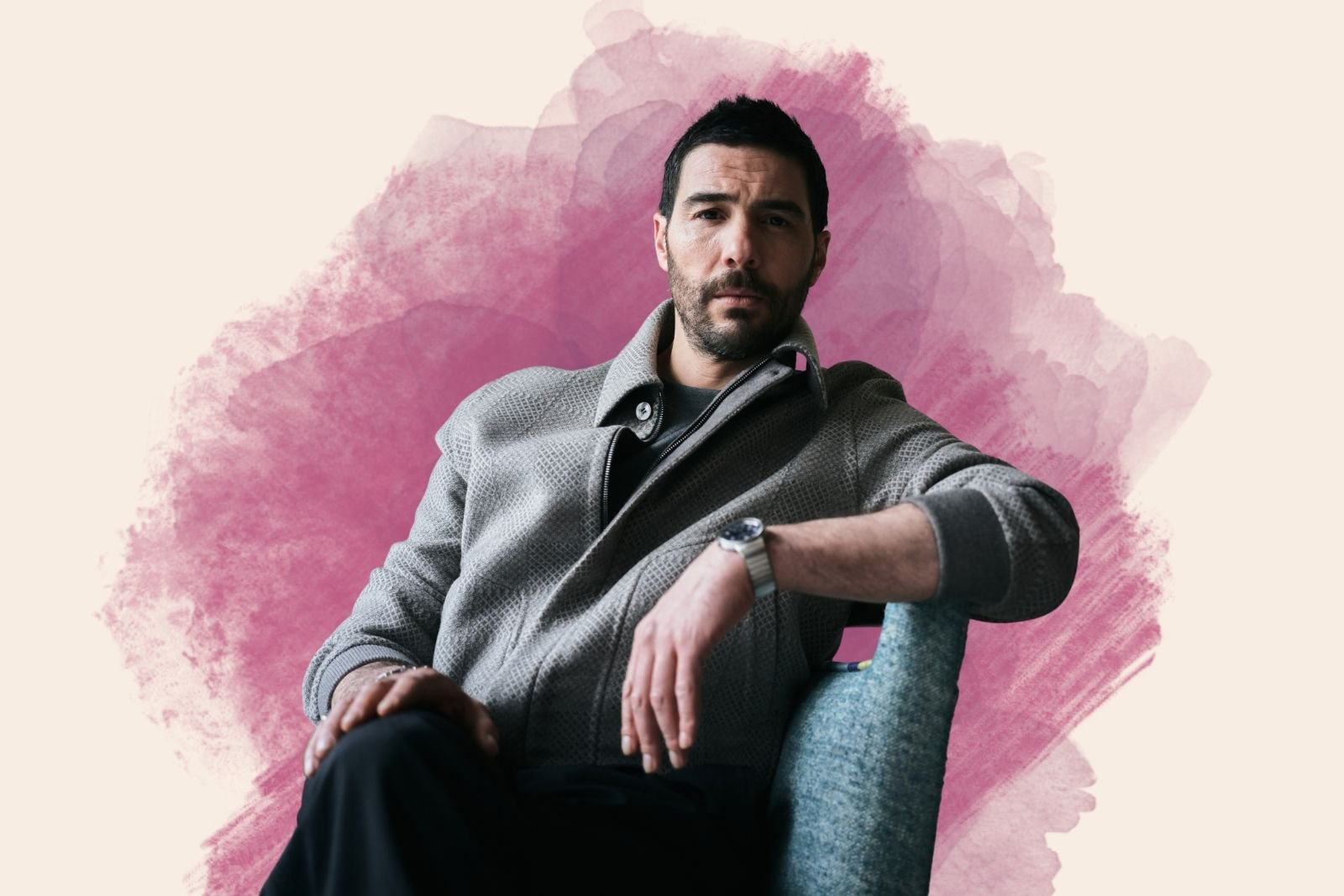
“I just want to document the maximum possible amount of my feelings,” Abdullah Miniawy says. “I never chase inspiration, I just live life and then things come up from a personal place to become poetry, whether it’s in words, music, art or film.”
Over the past decade, the Egyptian poet, singer and multidisciplinary artist has been channelling his myriad experiences into a prolific and diverse catalogue of work. As a vocalist, Miniawy has released three albums and accompanying pamphlets — including 2023’s Le Cri du Caire, a collaboration with jazz trumpeter Erik Truffaz— four collaborative EPs and an album with the German jazz trio Carl Gari.
He has also programmed his own 3D videogame to accompany the 2024 release of the album Nigma Enigma, starred as an actor in the 2019 experimental Tunisian feature film Tlamess and directed the 2021 short Rain Ticket.
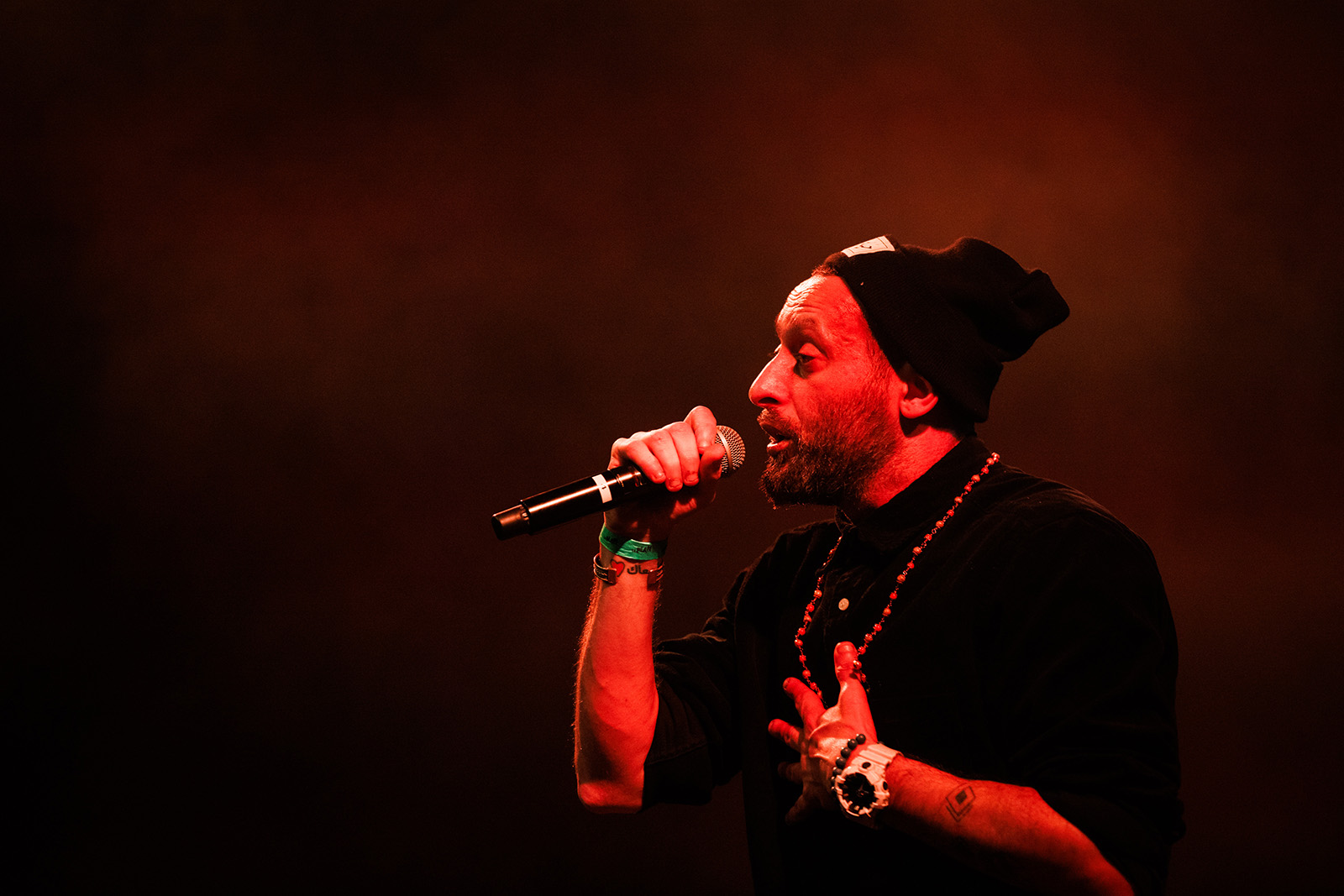
From Arabic classical singing and spoken word to indie gaming and experimental cinema, Miniawy’s creativity seems to be in a perpetual state of flux, but there is one constant within it all.
“The medium might change, but poetry is the core and the essence, it’s the saviour,” he says. “It’s how I always express myself once I feel inspired and can let it come through.”
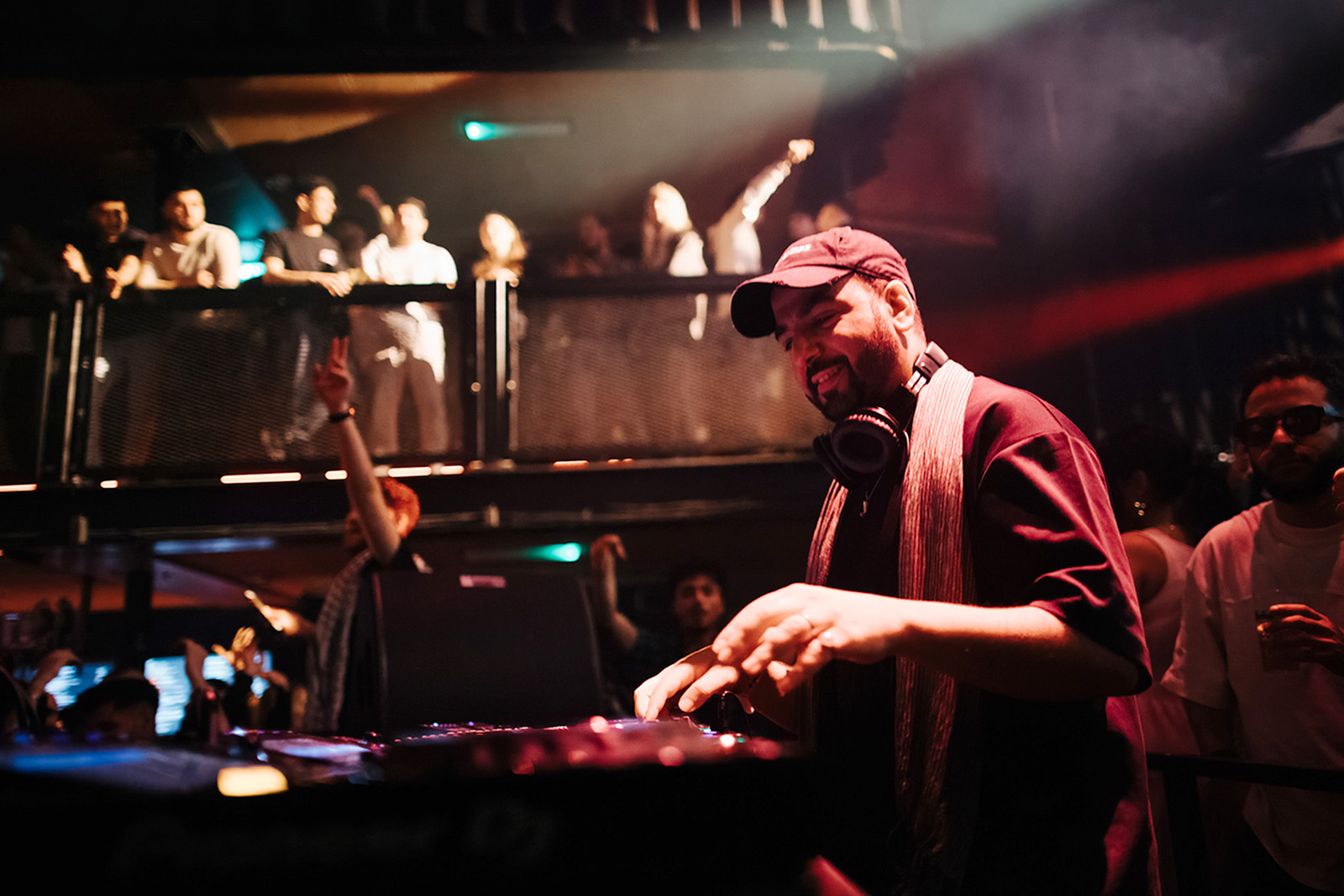
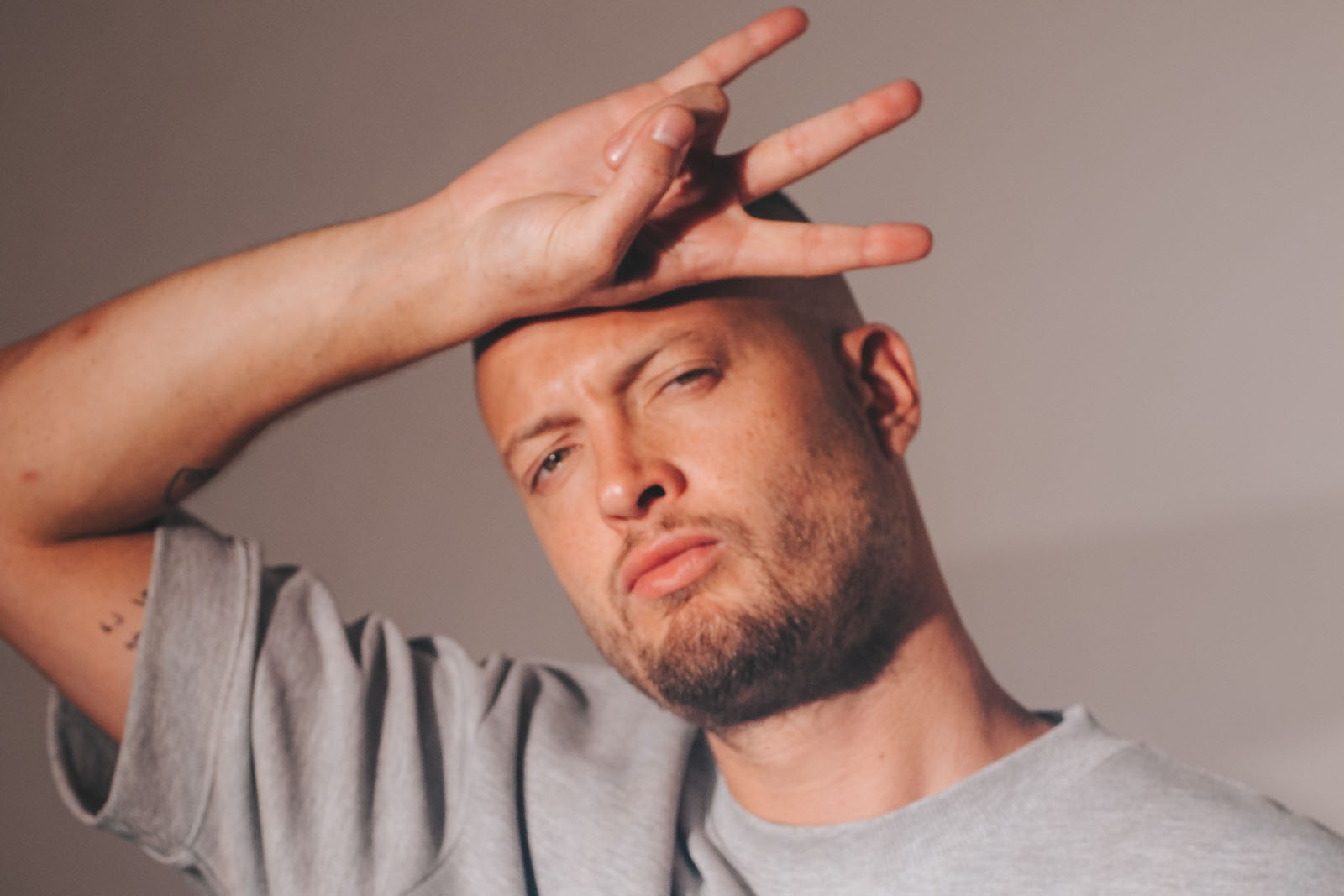
On his latest release, Miniawy switches gears once again to combine his poetic self-expression with the dancefloor-ready electronic textures of French producer Simo Cell. Their debut album, Dying Is The Internet, features everything from thunderous industrial techno and distorted Arabic vocals on I See The Stadium to warped trap bass and jazz horns on Reels in 360 and the frenetic rhythms of Chicago footwork on Easing the Hearts.
The sound is hard-hitting, dynamic and bound together by a central theme. Examining the state of contemporary digital life, the duo provide tongue-in-cheek takedowns of everything from emoji communication to Instagram, emailing and the dubious gratification of social media.
“I feel like the world is now falling out of love with the internet and I don’t know whether my generation was poisoned by it or was gifted it,” Miniawy says. “Has it made real life reductive? Are we just existing among AI bots online now? Can we feel and take time to slow down without it? These are the questions we wanted to explore through music that encourages us to be outgoing and dance together in the club.”
Largely improvising the album’s eight songs, Miniawy came up with melodies and lyrics over a simple beat or a sparse metronomic tempo that Simo Cell would play to him in the studio. Picking out the best sections to then loop and polish, the record began to take shape over several months. Miniawy now sees it as the beginning of many more collaborations to come.
“I met Simo when I first moved away from Egypt in 2017 or 2018 and he feels like a creative soulmate,” he says. “We met in the studio with no expectations and we have created an album that I think is the best of the year. We have much more to explore together.”
Miniawy was raised in Saudi Arabia, where his father was a professor in Arabic language. At eight years old, Miniawy began writing poems in an effort to impress his dad. Doing so sparked a lifelong passion.
“I can’t remember why I started writing, but I can remember showing it to my father and him not believing they were mine,” Miniawy laughs. “Since then, I was always challenging myself to write more and the older I got, the more I wanted to share this passion for poetry with people my age.”
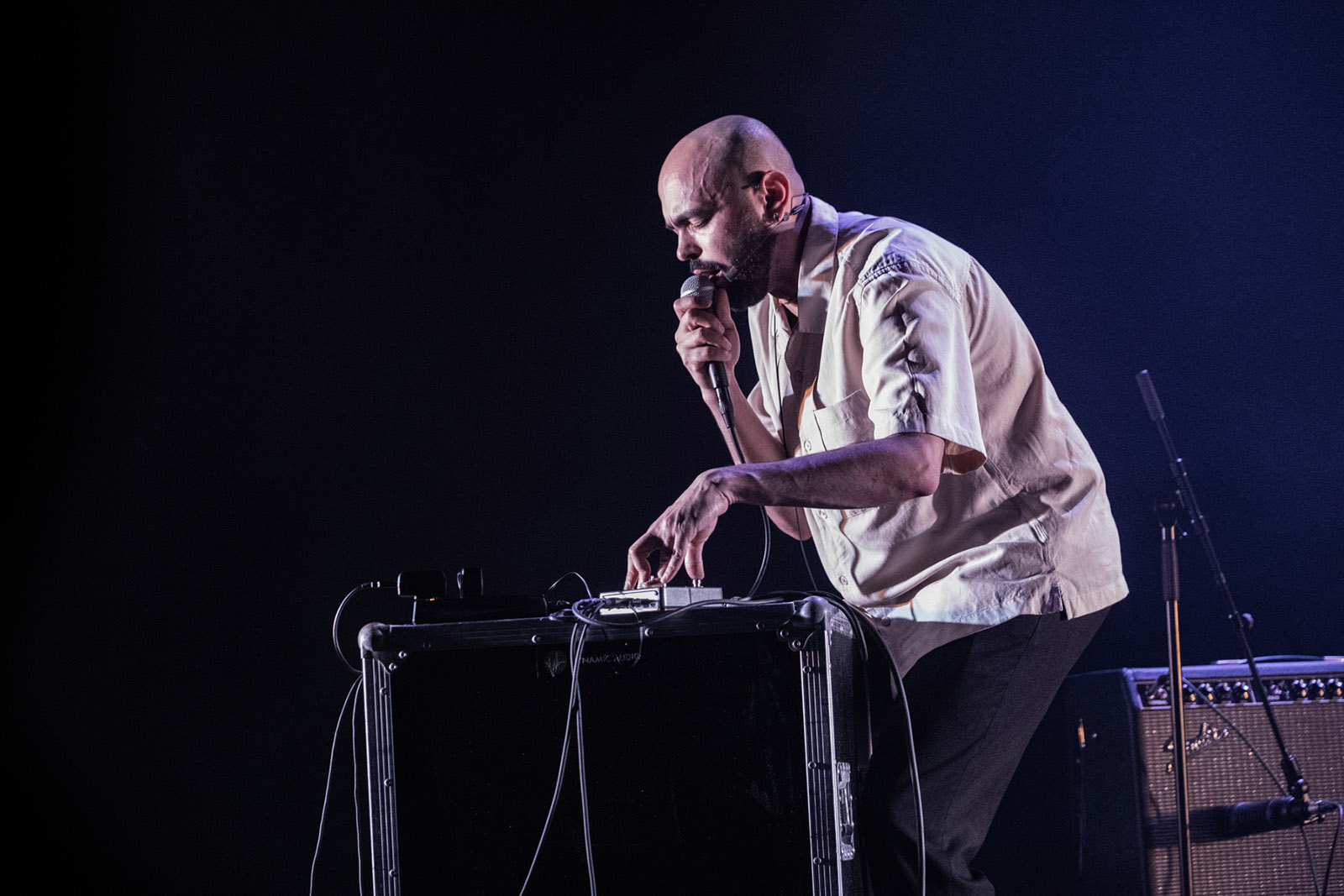
When he was 17, Miniawy’s family relocated to Egypt, where he began experimenting with rudimentary software and creating soundscapes to accompany his words. “It felt like you had to be a 50-year-old language geek booming with reverb to be part of the poetry scene and that obviously wasn’t where I was at,” he says. “I started singing the words I was writing instead and that soon developed into my style of melodic poetry, where I compose and write while I’m performing.”
Creating early work about the changing state of his neighbourhood in Faiyum, south of Cairo, Miniawy soon caught the attention of the local authorities who were increasingly suspicious of any activity that could be seen as conspiring against the Egyptian government.
“Any creative person at that time — from 2015 to 2017 — could be seen as a threat to the authorities,” Miniawy says. “I never wrote anything directly in protest — my earliest work was about how artificial beauty and technology was taking over my neighbourhood — but people seemed to find hope in my work and I started to be followed by the authorities. It felt dangerous and overwhelming to be 22 years old and have that much attention. I knew I had to leave.”
Already working with jazz trio Carl Gari after meeting in Cairo in 2015, Miniawy moved first to Germany and worked with the group on 2016’s debut collaboration Darraje before settling in Paris, where he has lived for the past eight years. He has since become well-established in the European arts scene, winning the World Music Album of the Year for Le Cri du Caire in 2023 at Les Victoires du Jazz — the French equivalent of the Grammys — as well as being programmed at the Venice Musical Biennale in 2025 and at the Paris Philharmonic.
Yet, since his father’s death in 2023, Miniawy has begun to feel the urge to return home.
Related content
“It’s been almost 10 years since I was last in Egypt,” he says. “I think it’s time for me to go back now and break that barrier of fear. I recently went back to Saudi Arabia for the first time since I was a teenager and it was incredible to revisit my family home and rescue all my father’s books that were still sitting on the shelves. It feels like a rebirth to find them — a treasure.”
Armed with that renewed connection to his history, Miniawy is as inspired as ever. He is currently writing a collection of poetry inspired by his new practice of Qigong, while later in the year he is recording with a Southern Tunisian choir and has plans to make a record with a baroque-inspired trio of vocals and trombones, which he is also touring around Europe in 2026.
“I’m trying to take things slower but I just get too excited,” he says. “I see everything as art, which can be hard to live with, but maybe that’s just my purpose in this life. I’ll have to keep on writing and documenting.”
Dying Is The Internet is out on 12 March on Dekmantel’s UFO series.