

The man who wants to restore Islam’s image in France
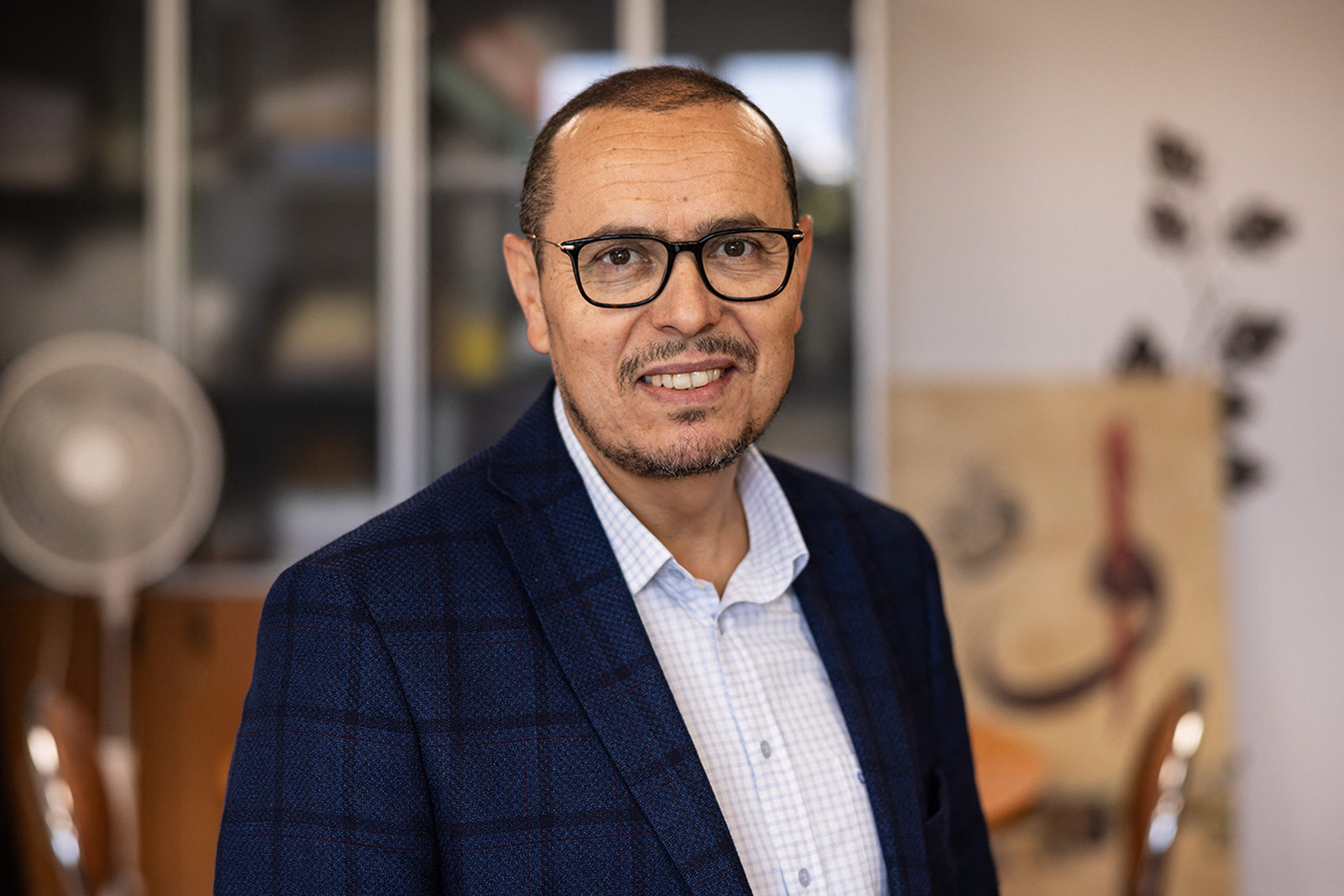
Makhlouf Mamèche, the new president of one of France’s largest Muslim bodies, believes optimism is the key to fighting dangerous misconceptions about Islam

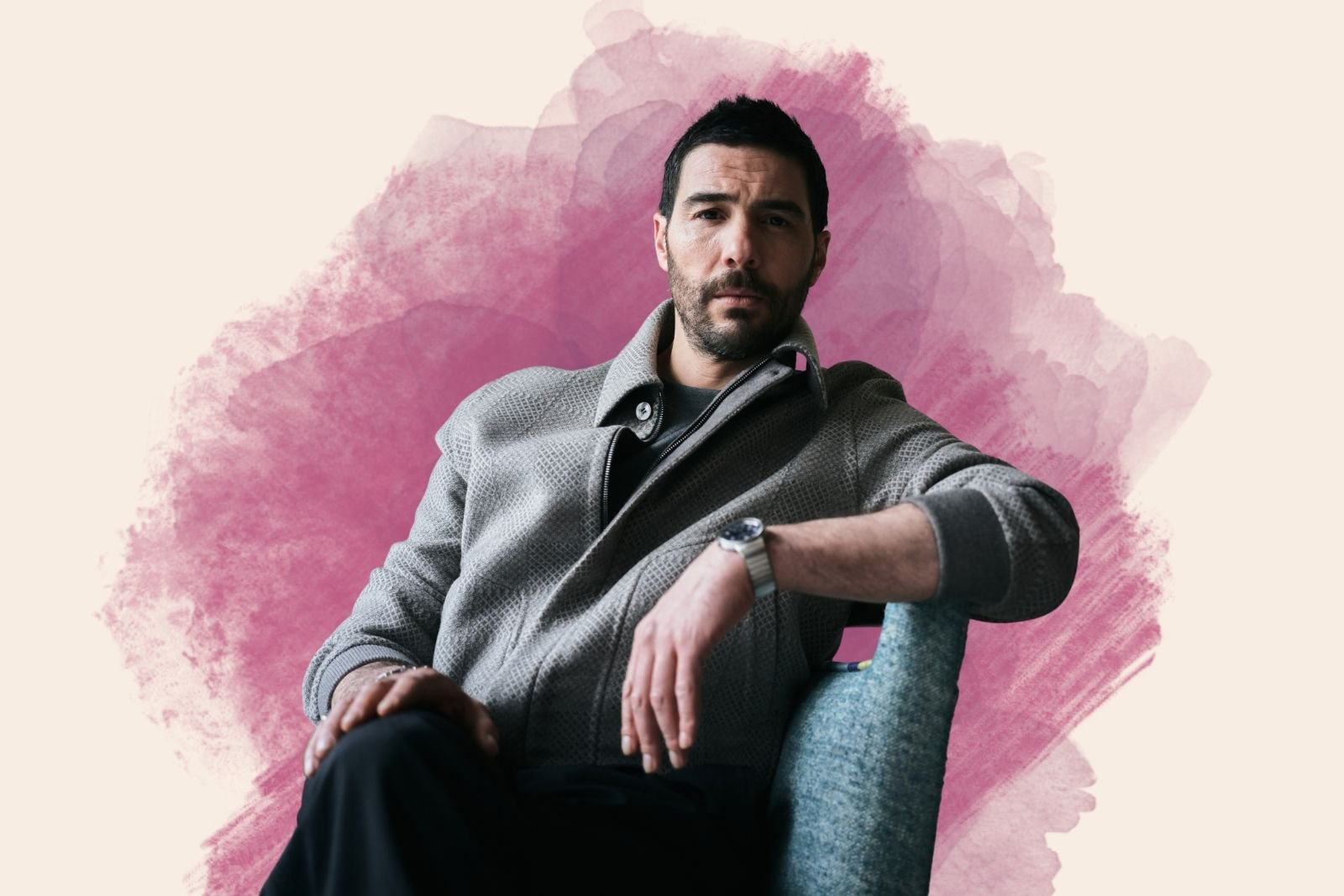
Makhlouf Mamèche, president of Musulmans de France (MF), finds that running helps him cope with pressure. “I jog a minimum of twice a week. Ten kilometres, sometimes 15.” When he gets back home, he has another ritual that helps. “I’ve got a corner at home, a place for spirituality, a carpet on the floor, Qur’ans,” he said. It calms him, and these days he needs calm.
Last November, Mamèche, 57, was elected president of MF — one of the three major organisations representing French Muslims, alongside the Grande Mosquée de Paris and the Union des Mosquées de France. He has inherited an organisation that, in the view of parts of the French political class, is not simply a religious federation. It is seen variously as a civic partner, a suspect network, and a symbol in the country’s culture war. The national atmosphere is increasingly hostile.
Figures from the ministry of interior widely cited in French media show that 145 anti-Muslim acts — physical attacks, harassment, or damage to propertry — were recorded nationwide over the first half of last year, a 75% increase over the same period in 2024. The rise in reported violence has been mirrored by a growth in national anti-immigrant sentiment and the popularity of the far right, notably the Rassemblement National (RN), whose rhetoric frequently links Islam to security and identity fears. The centre-right government of Emmanuel Macron has introduced laws against separatism: a term commonly used in France to describe the alleged aim of Muslims to place their rules, loyalties and authorities above the laws and values of the French state.
Related content
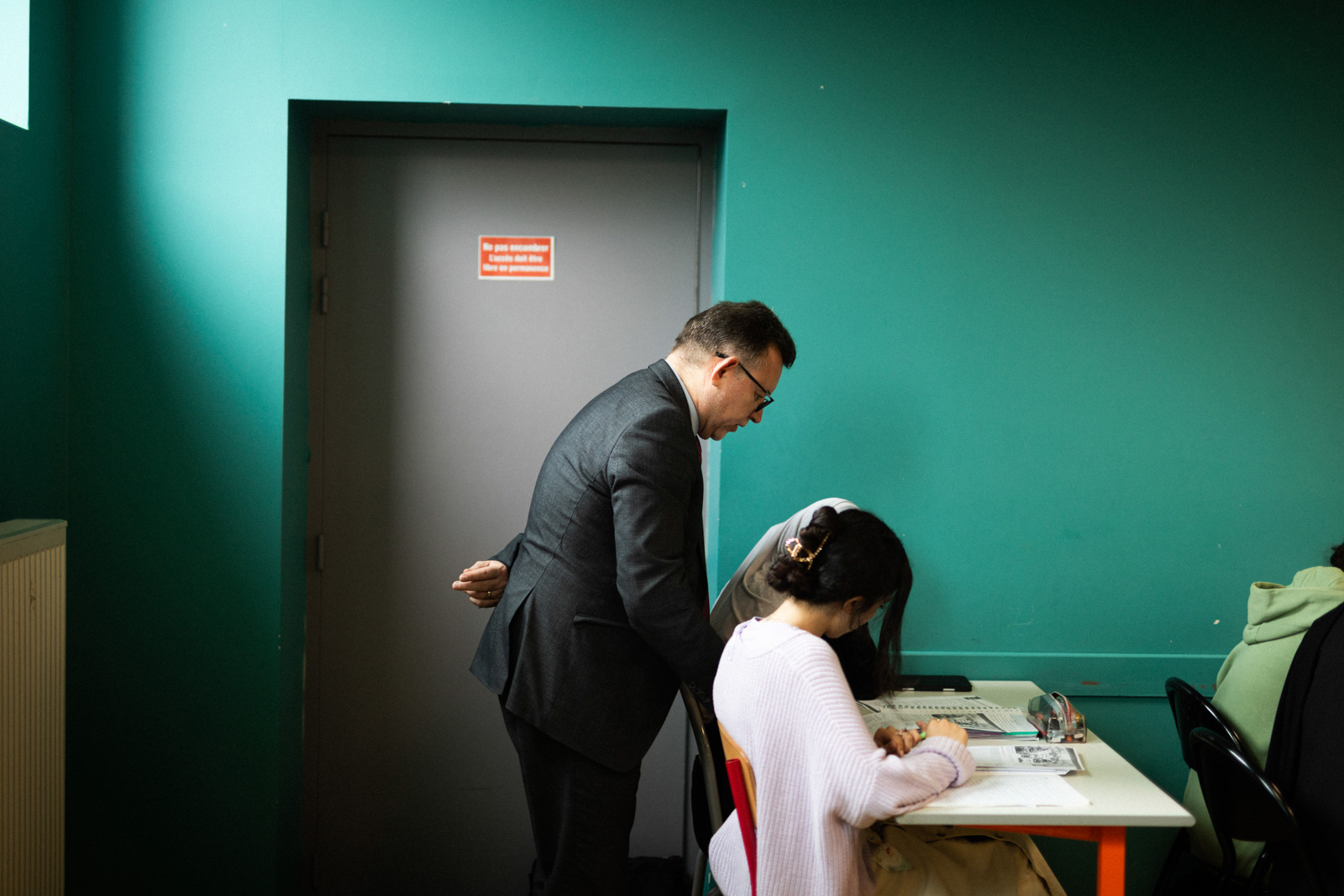
Sitting in his spartan office above the Grande Mosquée de Lille Sud in the northern city where he lives with his family, Mamèche insists that despite the challenges that come with his new role, he’s optimistic: “I did my Friday sermon last week on optimism. For me it’s part of faith. You have to give people hope.”
The priority of his presidency, he says, is to “restore the image of Muslims in France”. He aims to do this by promoting what he describes as an “Islam of France”, which respects the sacred secular values of the French republican, and making his organisation more visible in public debate. He is keen to be understood as more than a man of God. He likes going to the cinema and has a family life which brings him great joy. He speaks about his children — four of them, aged 13 to 28 — with the plain pride of a father. “The two eldest are engineers,” he said.
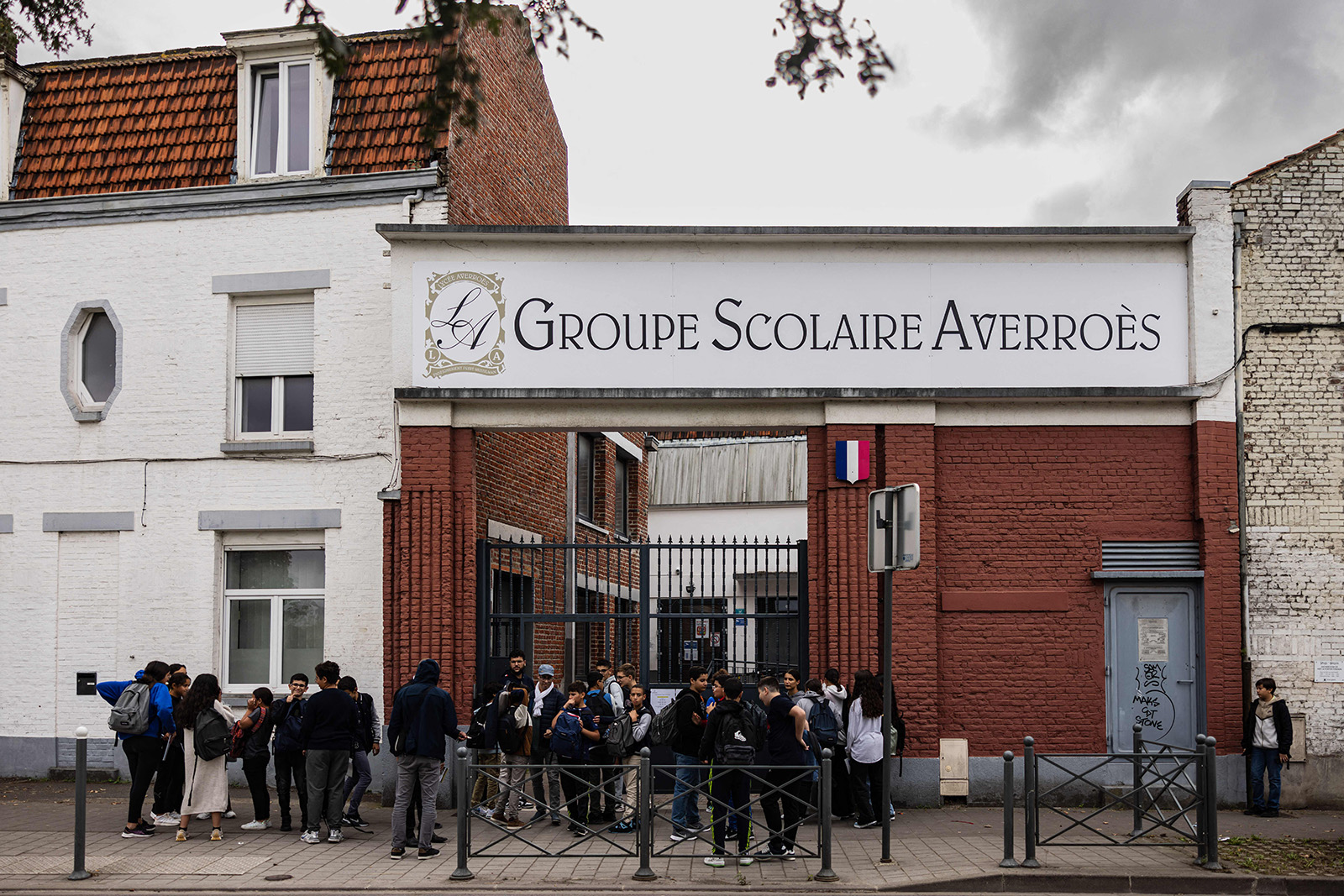
Before becoming MF president, Mamèche was a prominent religious and educational figure in northern France, serving as imam of the Lille mosque and playing a central role in the creation and development of Lycée Averroès, the first private Muslim school to get state funding in mainland France. The school, just down the road from the mosque, is, he believes, his greatest achievement. “It shows exceptional results every year for the baccalaureate. I’m proud to say I contributed to training more than 2,500 young people — engineers, lawyers, journalists.”
Muslim schools in France are, however, increasingly a hot-button issue — none more than Lycée Averroès. Since it gained state funding in 2008, authorities conducted regular audits at the school over several years with largely positive reports until December 2023, when its contract with the state was withdrawn owing to alleged administrative failings, a failure to respect republican values, accusations of promoting separatism and alleged links to Islamic extremist groups.
“They say: you’re the best then ‘you have links to the Muslim Brotherhood.’ Show me the links,” Mamèche said.
In April last year, Lille’s administrative court overturned this decision, judging the state’s evidence to be insufficient.
MF — formerly the Union des Organisations Islamiques en France — has also been accused of being linked to the Muslim Brotherhood, and more broadly of entryism: the theory that Islamist networks have a long-term strategy to embed themselves within schools, mosques, charities or local politics in order to influence society from within. Mamèche points out that MF’s institutions — mosques, schools, local associations — are designed precisely to promote integration.
“Today Muslims are accused either of separatism or entryism, two extremes. And yet we see young Muslims who become engineers, lawyers, journalists. The integration machine has succeeded,” he said. “We are a Franco-French organisation.”
Mamèche has experienced the challenge of integration first hand. Born in Bouira, Algeria, he first arrived in France in 1992, following the footsteps of his father, who had worked in factories in the textile towns of northern France before Algerian independence in 1962. “When I came, I wasn’t well looked after,” he said. He does not describe further the experience of racism and discrimination shared by many north African immigrants in France.
As part of its deep commitment to secularism, the French state does not gather data on ethnic and religious groups, but most estimates put the population of Muslims in France at between 5 and 6 million, and growing. The widely discussed anxiety of this community posing an existential threat to French culture and security, Mamèche believes, is a cynical ploy by politicians looking for a common enemy to rally against.
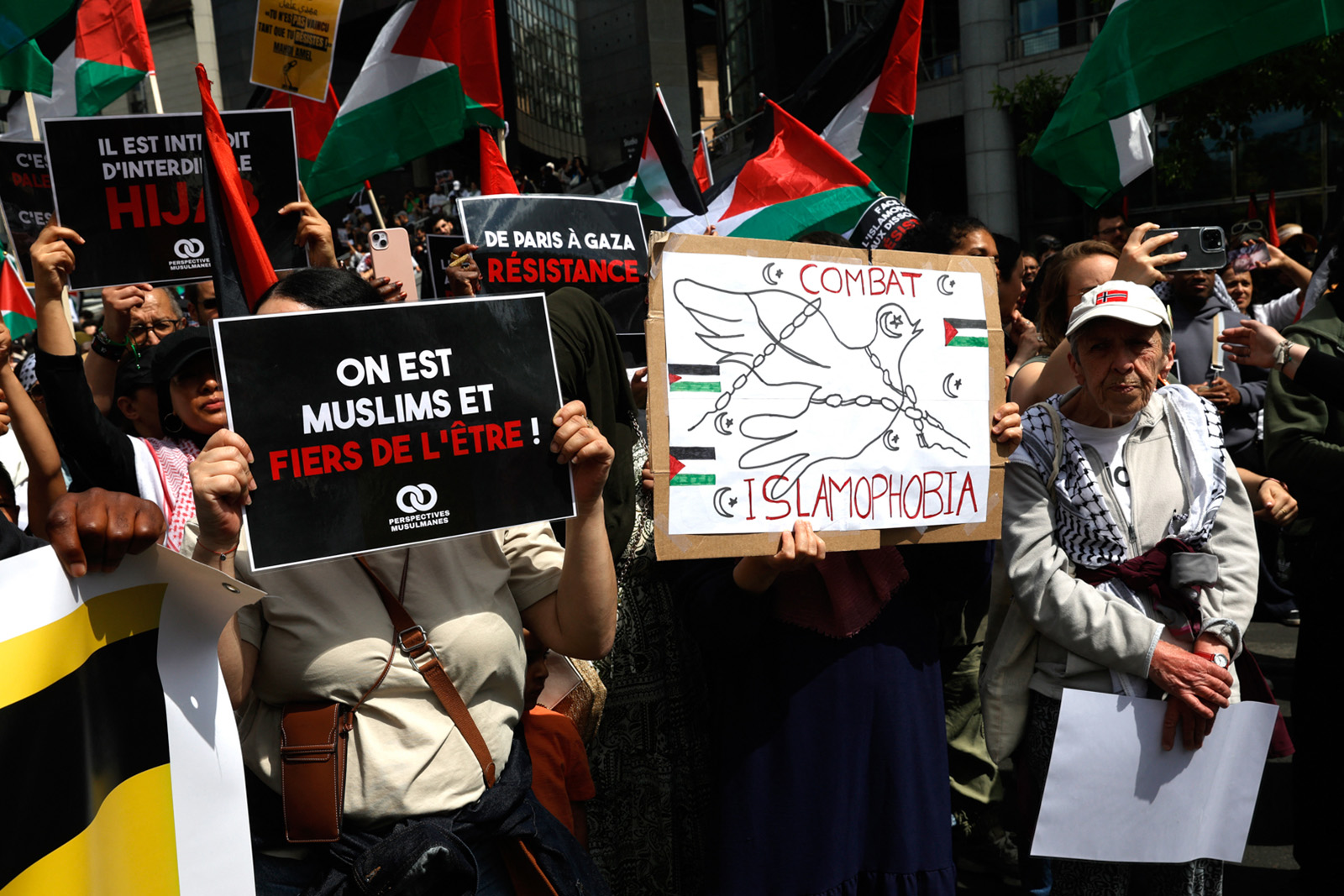
“They’ve made Islam into a monster,” he said. “They talk about the headscarf, the abaya, the beard. They take bits and make a monster. Islam isn’t that.”
Mamèche believes a crucial way to tackle these misconceptions is through better political representation and access to those in power. In 2022, the state created the Forum de l’Islam de France (Forif), a collection of 100 individuals selected by the ministry of interior rather than the Muslim community, to represent French Muslims. The MF has not been included.
“We are not invited,” said Mamèche, adding that he wrote to the interior minister seeking a meeting but got no reply.
Mamèche insists speculation that a far-right administration may succeed President Emmanuel Macron when his two terms in office come to an end in 2027 does not worry him: “I’m not afraid of anything,” he said. He is confident that with optimism and persistence, the country will come to accept the key message of his presidency: “Islam in France is coloured blue, white and red.”