

Will Starmer survive 2026? Here’s what could seal his fate
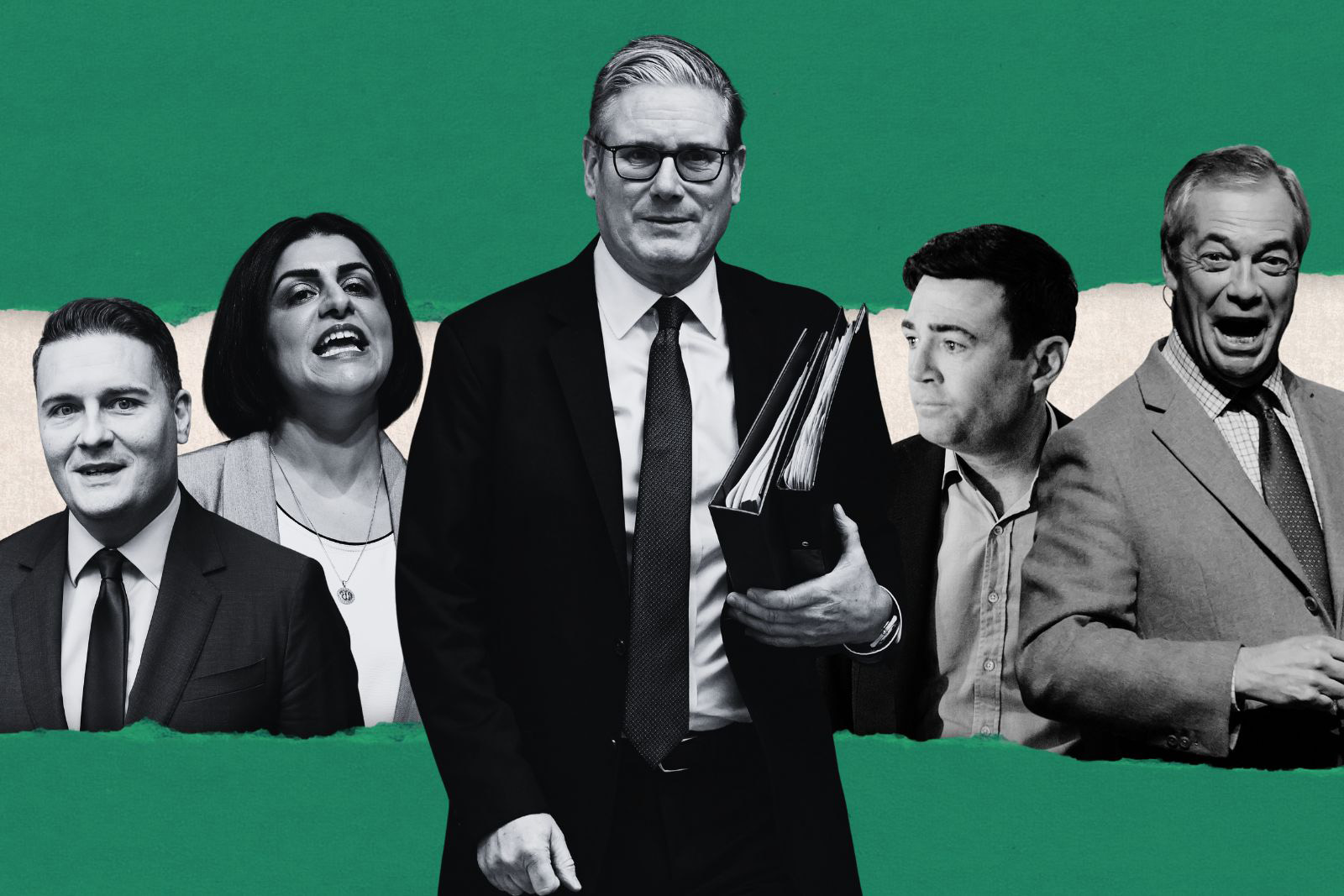
After a bruising 2025 for Labour, eyes are on possible successors to the PM in the shape of Wes Streeting, Andy Burnham and Angela Rayner

It feels ridiculous to have to say it again, but British politics is still not “normal”.
We were told it would be after Labour’s landslide victory last year and that the era of chaos was over. Yet 2025 has repeatedly reminded us there is no going back to some lost golden age of calm government. Instead, it has been messy, febrile, often absurd and now increasingly unsettling for a prime minister who began his time in office with a huge majority, looking untouchable.
There were moments this year that bordered on the farcical, among them the Office for Budget Responsibility accidentally publishing the full costings for the 2025 budget before Rachel Reeves had stood up to deliver it.
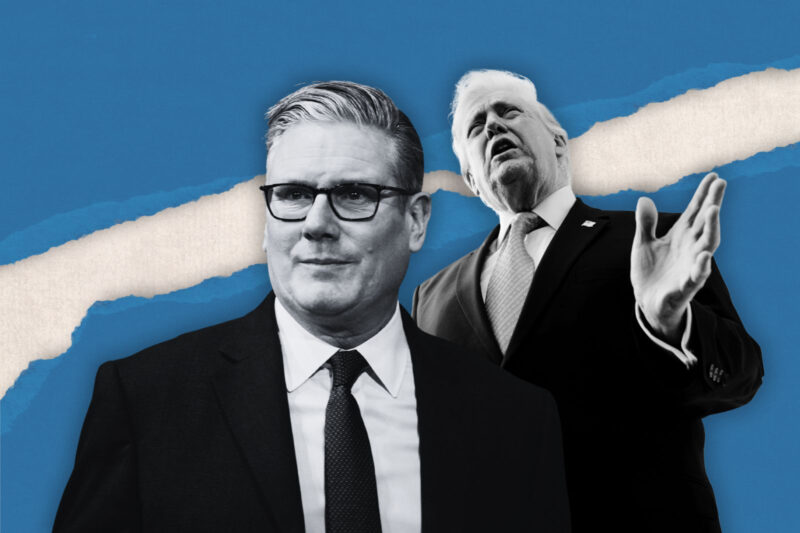
But these episodes, eye-catching as they were, were just subplots to the deeper story of 2025: the steady erosion of Keir Starmer’s authority and the simultaneous rise of Nigel Farage and Reform UK from irritant to existential threat — not just to the government but to the Conservative Party, too.
What happened to Labour in 2025
For much of the year, Reform has been ahead in the polls, leading both Labour and the Tories — a sentence that would have made seasoned Westminster figures blink in disbelief just a year and a half ago. Farage, written off more times than most politicians care to remember, has been riding high. Reform’s success in the May elections handed the party control over billions of pounds of local government spending for the first time.
Related content
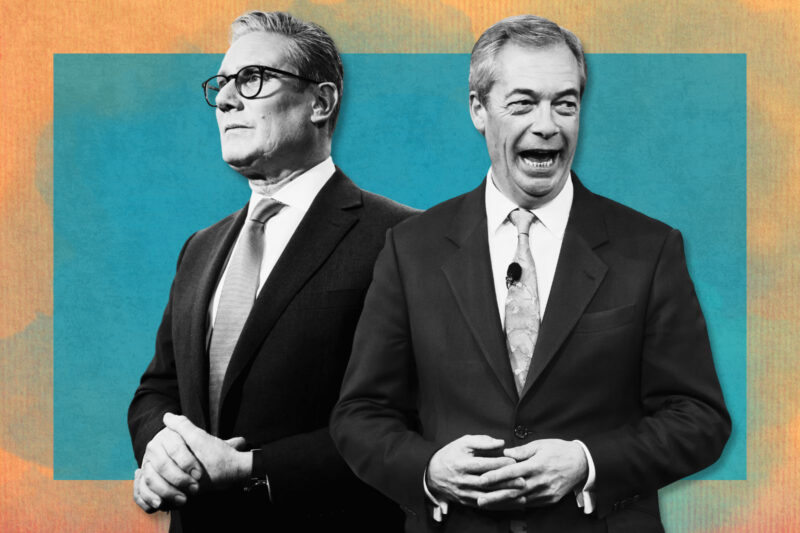
While there will be intense scrutiny of its decisions in the areas it now controls, it is clear that Reform UK is the party to watch next year. As Starmer told me when I asked him for ITV News as long ago as May, he believes Farage is his primary opposition.
Immigration is the issue on which the two parties are clashing most fiercely. Continued debate over the government’s attempts to reduce small-boat crossings and the protests outside the Bell Hotel in Epping, Essex, are symbolic of just how politically charged the issue has become. It is Shabana Mahmood, a British Muslim woman who became home secretary this year, who has been tasked with confronting it.
She had impressed Starmer and his team with her work as Labour’s election coordinator in the past, as well as her handling of prison overcrowding and her tough rhetoric as justice secretary. Her talk of chemical castration for sex offenders, her willingness to overrule judges on sentencing guidance and her blunt language about “two-tier justice” marked her out as a forceful presence that had earned the respect of Number 10. Since moving to the Home Office, she has continued in the same vein.
Illegal migration, she declared, was “tearing the country apart”. Asylum policy would be overhauled, refugee status reviewed every two and a half years, settlement delayed to 20 years and visas threatened for countries that refused to take people back. The aim was explicit: make Britain a less attractive destination and win back public support.
Whether it works remains to be seen. Politically, however, the message is clear. Starmer, who has called this the “fight of our times”, is prepared to take on Farage by adopting harsher immigration policies, with Mahmood front and centre of that effort.
Despite this, his authority has been visibly draining away all year. Many Labour MPs have told me that the beginning of the end for Starmer’s grip on power did not come on immigration, but earlier this year over welfare.
The government’s controversial ambition to reform the welfare system by making it more difficult to get disability benefit and freezing the health component of universal credit ran into ferocious opposition from Labour’s own backbenches. The government had said it was looking to stem the rise in health-related welfare claims and claimed the changes would encourage people to work but, after months of internal campaigning, ministers pulled the plug at the last possible moment, unable to guarantee they would win the vote.
For a government with such an enormous majority, it was extraordinary. The policy died, along with a chunk of Starmer’s authority. From that point on, as one MP put it to me, “many of my colleagues realised he doesn’t have complete control and we can stop him if we need to”.
What’s on the horizon in 2026
That feeling will continue into next year, as emboldened Labour backbenchers continue to rebel more confidently — especially as there’s a growing sense that this could be Starmer’s last Christmas in Number 10.
Labour heads into the year facing the prospect of renewed backbench rebellions that will test both party unity and Starmer’s authority.
Plans to reform the special educational needs and disabilities (Send) system are already proving particularly combustible. The budget confirmed that Send funding would be absorbed into overall departmental spending limits by 2028, a move that prompted warnings that mainstream school spending per pupil could fall. When I asked the education secretary Bridget Phillipson last month, she was adamant this would not be the case. But multiple Labour MPs have publicly criticised the change — and parents and advocacy groups warn it risks putting children with complex needs into already overstretched schools, saying Send funding is still not high enough.
Justice policy has triggered similar unease from Labour MPs. Proposals from the justice secretary, David Lammy, to limit jury trials for criminals facing sentences under three years have drawn fierce opposition from within Labour’s own ranks. A letter signed by 38 Labour MPs has described the plans as “ineffective” and cautioned that they could create more problems than they solve. For a government with a large majority, the scale and speed of dissent matters: each rebellion chips away at the perception of control and raises questions about what Starmer can realistically deliver at a time where his authority is already under threat.
One of the other big challenges is of course the economy, and success in 2026 is not just about growth figures: it is about whether voters feel their own lives are improving. Stagnant wages, a persistently high cost of living and the government’s self-imposed fiscal rules paint a bleak picture with not much room to move.
Labour entered government with a manifesto that many economists warned did not add up, arguing that at some point taxes would have to rise or spending would have to fall. The government came close to acknowledging that reality ahead of November’s budget, when Rachel Reeves warned publicly of the need for broad-based tax rises to fund public services. But such a move would have broken a clear manifesto pledge and both the chancellor and the prime minister stepped back, deferring the hardest decisions. By 2026, the central question will be how long that can continue.
Related content
Downing Street is acutely aware of the political risk. I am told the government will begin the year with an intense focus on the cost of living, arguing Britain is turning a corner, pointing to multiple interest rate cuts, falling inflation and flagship policies such as the rise in the minimum wage and the scrapping of the two-child benefit cap. But the test will be brutally simple: whether voters feel better off. If they do not, no amount of macroeconomic reassurance will be enough.
There is, given all this, an anxious wait for May’s local elections across the Labour benches. From MPs to cabinet ministers, anyone I speak to privately concedes that a poor performance could trigger an attempt to remove the prime minister. There are others who believe it could happen sooner.
Downing Street is fighting back, wooing MPs with a charm offensive that has seen them invited to chat to the prime minister over canapes. But the perception that Starmer’s leadership is temporary casts a long shadow over the government and encourages his rivals — some of whom are not exactly hiding their ambition.
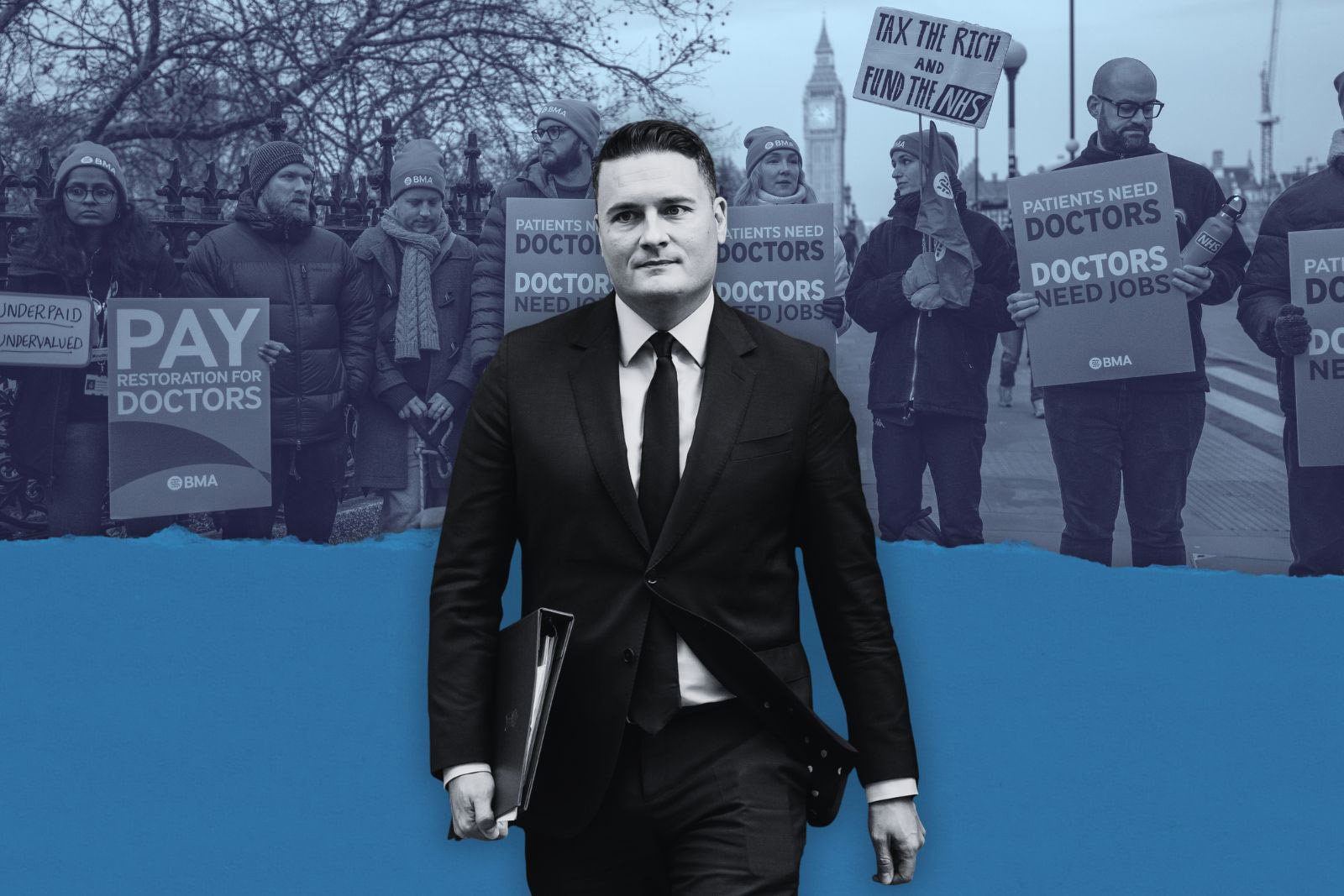
After Starmer’s team made the astonishing decision to brief against the health secretary Wes Streeting, his frequent media appearances and the effort I’m told he is making to court Labour MPs suggest he is openly auditioning for the top job.
Andy Burnham, the mayor of Greater Manchester, has spent much of the year declining to rule out a leadership bid — even after an interview ahead of Labour conference in which he was seen to step too far out of line appeared to put paid to his ambitions. I have heard from dozens of MPs that there are open discussions about which MP could resign to give Burnham a route back to Westminster.
Nor can you rule out the former deputy leader Angela Rayner, who was forced to resign this year after it emerged she had not paid the correct amount of stamp duty. She remains very popular among MPs I speak to, particularly those who believe she is the most human politician Labour has.
There is no agreement on who should replace Starmer, when it should happen or even whether removing him would help. But there is agreement on one thing: 2026 will be defined by the question of his survival. Politics is a brutal business and British politics in particular is once again anything but normal.
Shehab Khan is an award-winning presenter and political correspondent for ITV News.